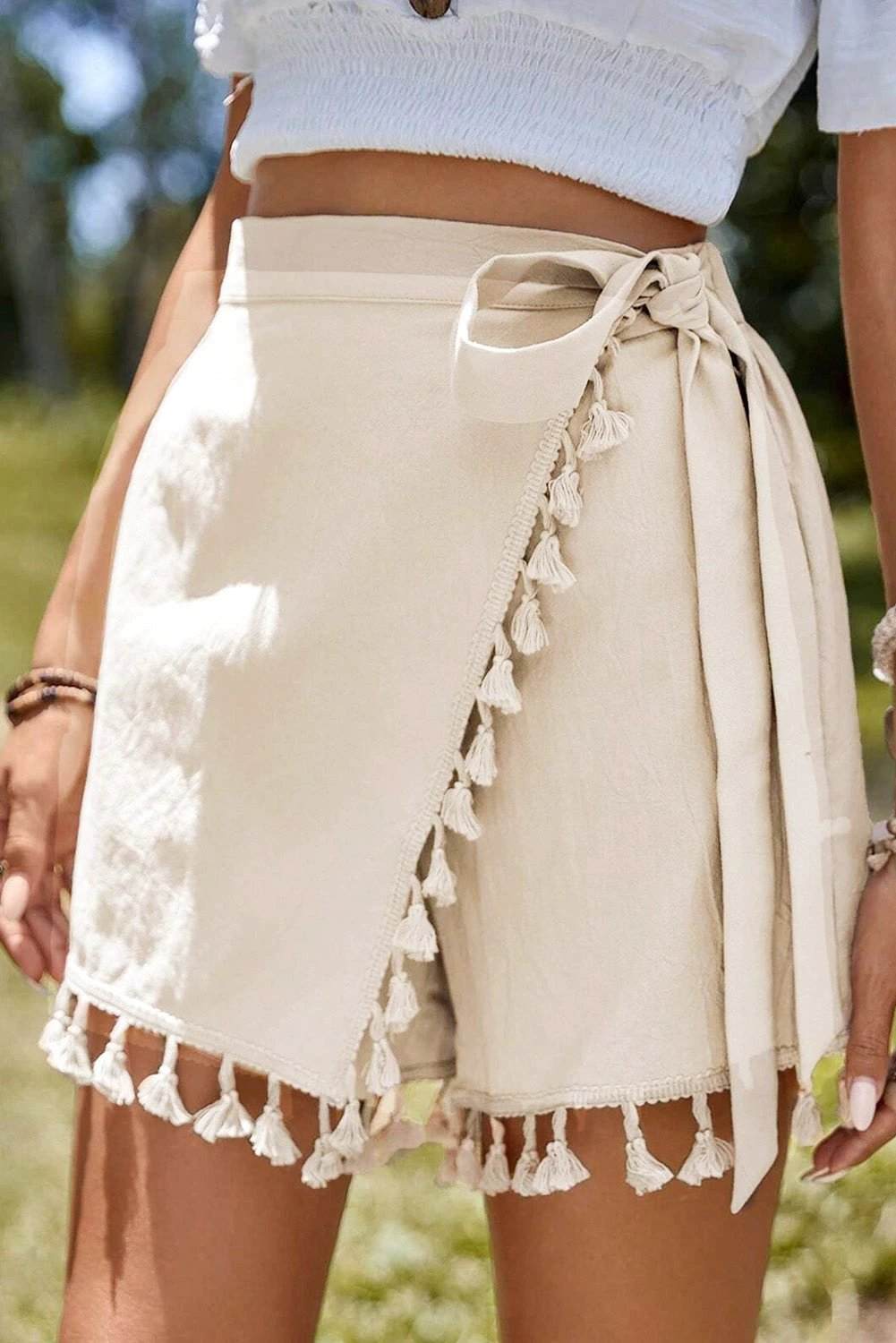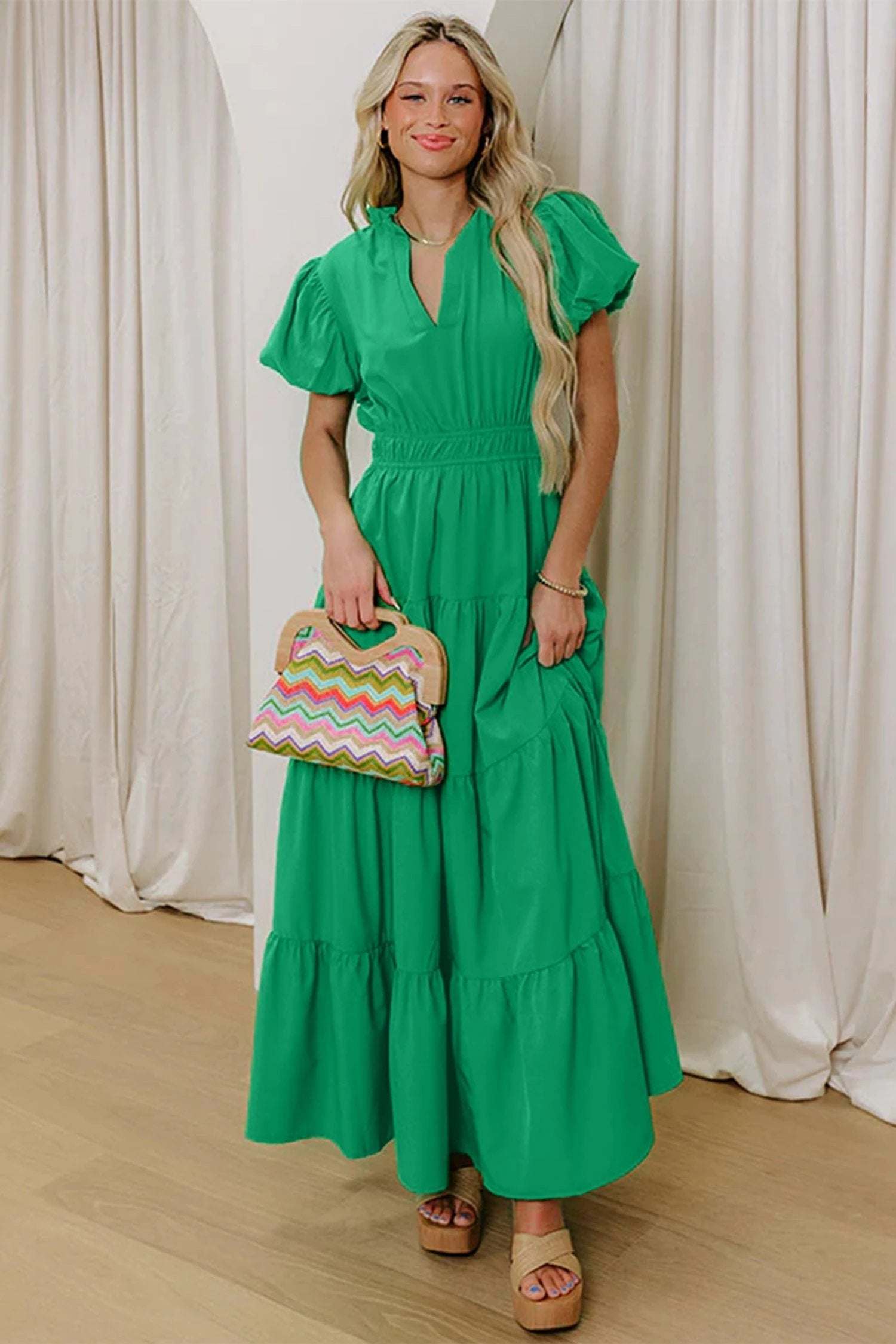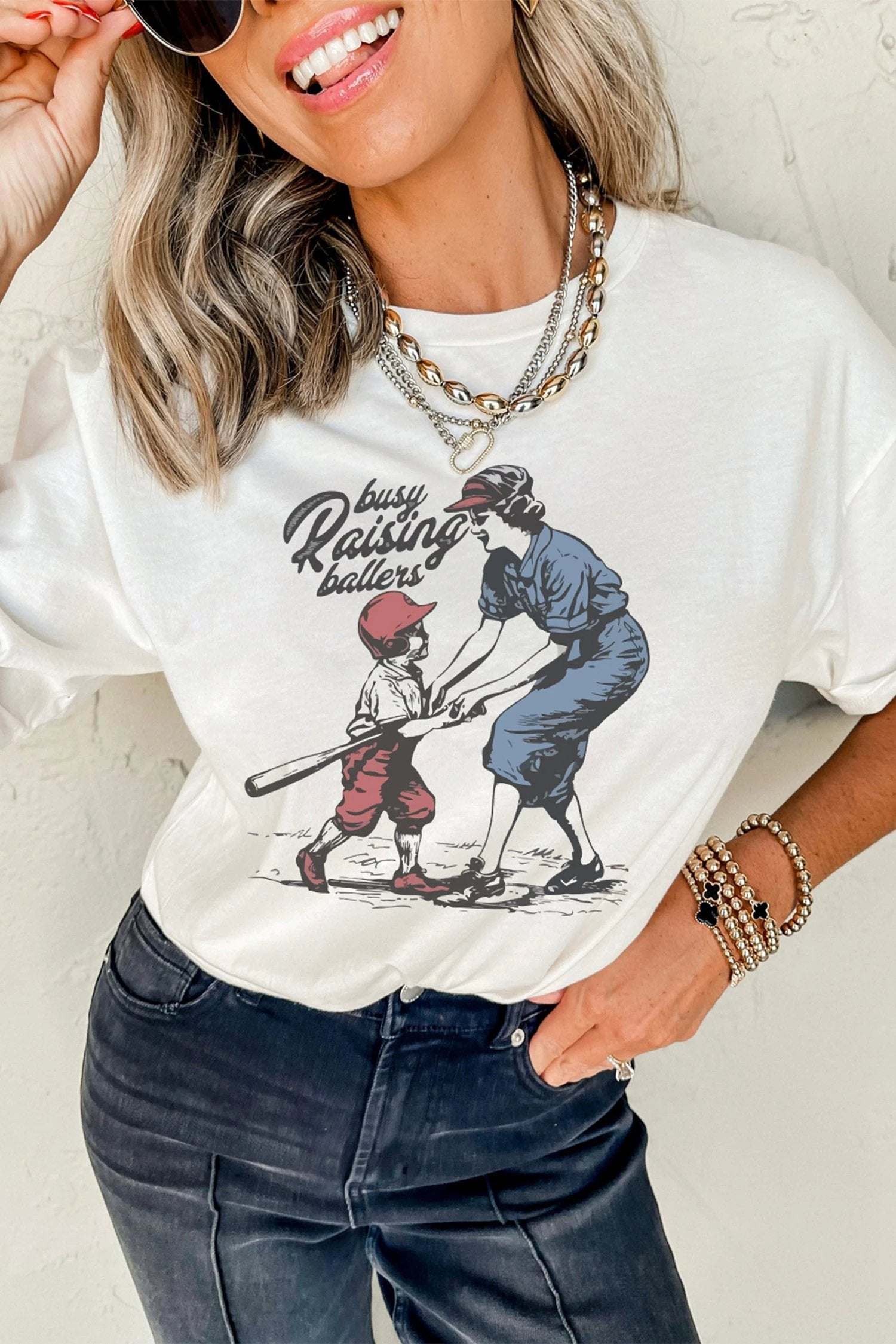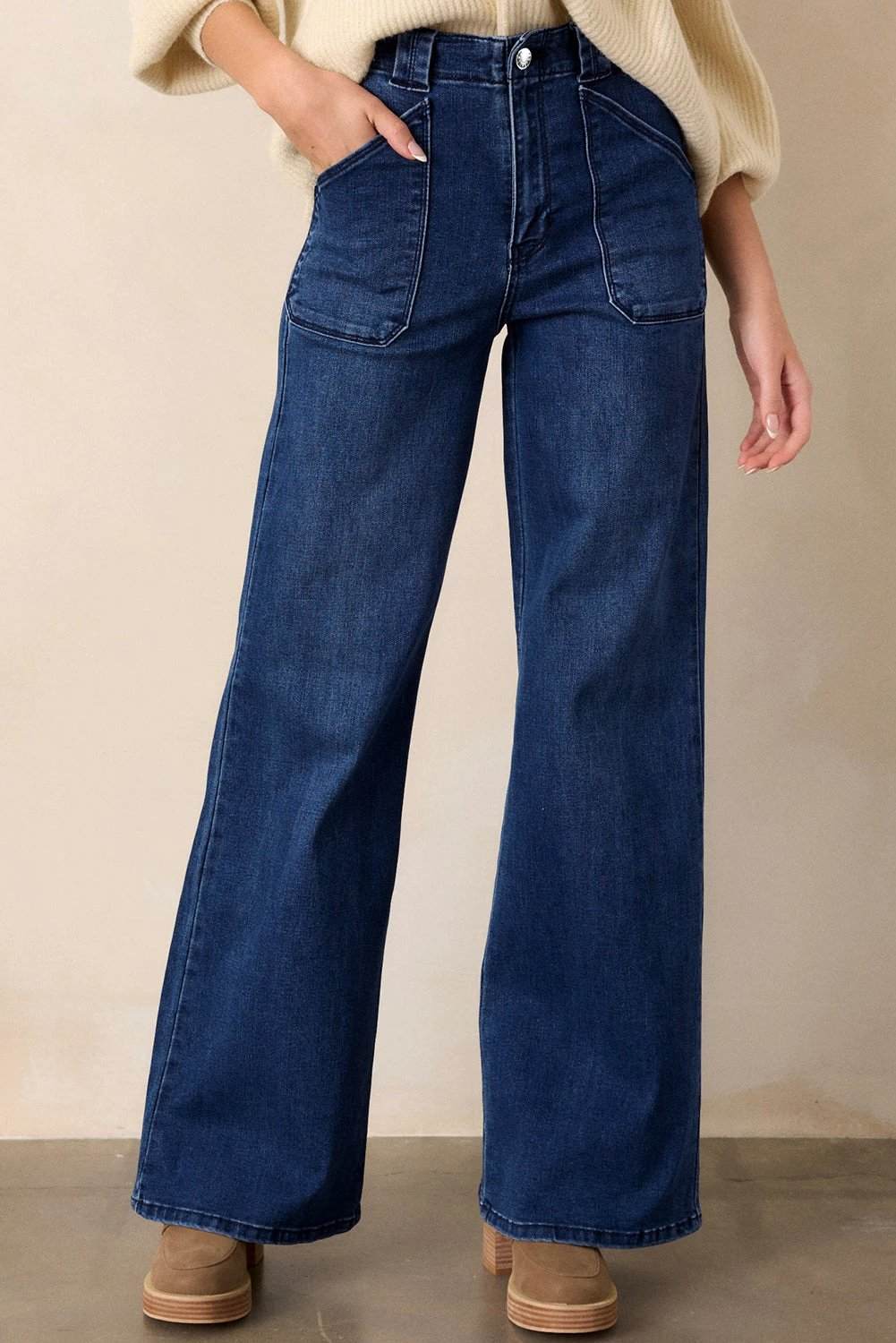

Getting dressed should not feel like solving a puzzle at 7 a.m. If your closet is full but your outfits still feel limited, learning how to build versatile outfits can change everything. The goal is not to own more. It is to own better pieces - the kind you can wear to work, weekend plans, dinner, travel, and everyday errands without starting from scratch every time.
Versatility is what makes a wardrobe feel easy. It gives you more outfit options, more confidence, and a lot less second-guessing. When your clothes work together, getting ready becomes faster, simpler, and honestly more fun.
What versatile outfits really look like
A versatile outfit is not boring, plain, or forgettable. It is an outfit built from pieces that can shift with your day and your calendar. Think of a soft blouse that looks polished with trousers for work and relaxed with denim for brunch. Or a dress that works with sandals on a warm afternoon and a jacket with boots when the weather changes.
The best versatile outfits usually have three things in common. They feel comfortable enough for real life, polished enough to look intentional, and easy enough to restyle in multiple ways. That sweet spot matters, especially if you want a wardrobe that supports busy days instead of slowing them down.
How to build versatile outfits from the ground up
The easiest place to start is with the pieces you reach for most. Not the ones you wish you wore more often. Not the ones that only work for one specific event. Start with the items that already fit your life.
Begin with strong everyday basics
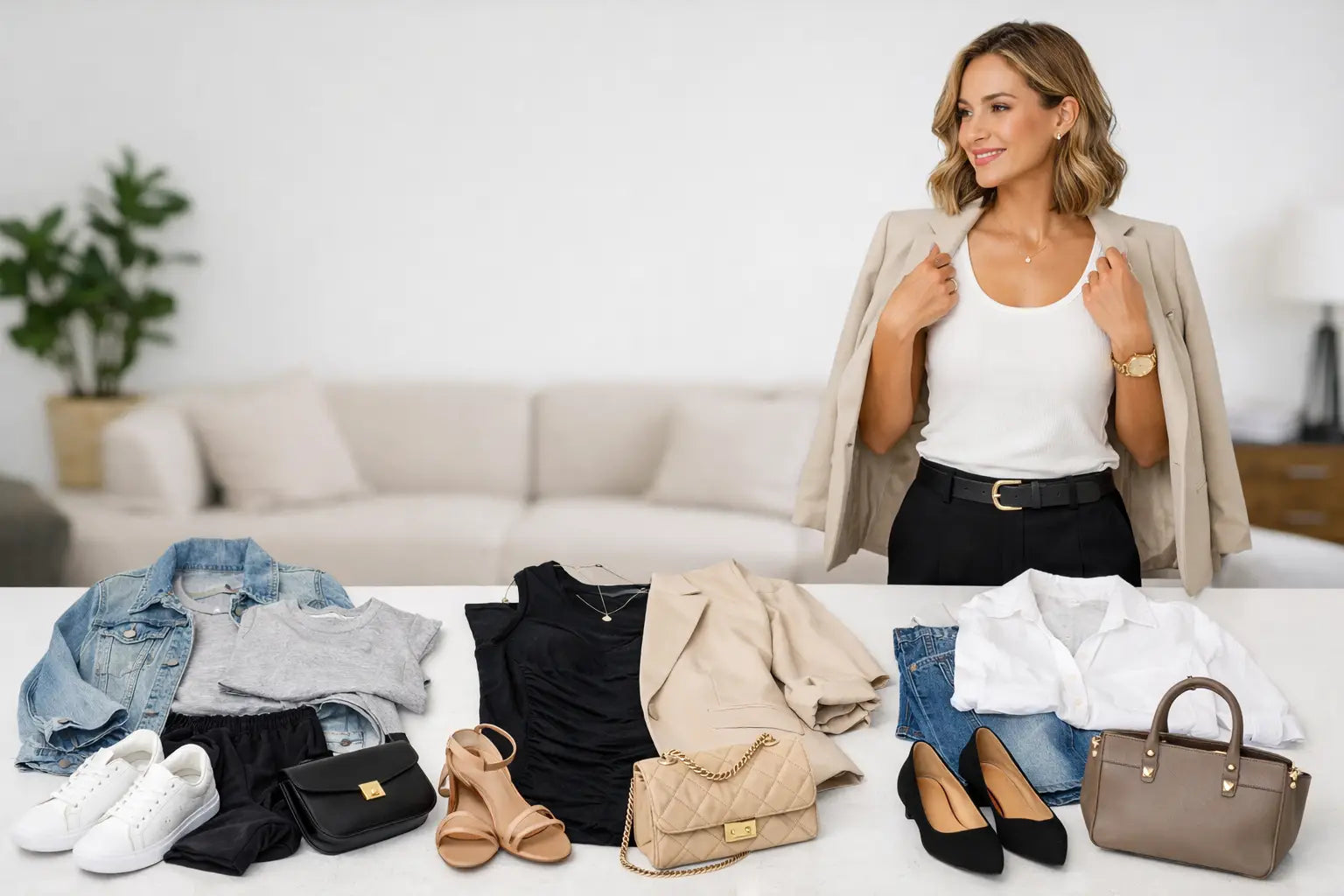
Basics are the foundation of outfit versatility, but they need to do more than just exist in your closet. The right basics should fit well, feel good on, and pair easily with trend-right pieces. A flattering white or black top, well-fitting denim, a lightweight knit, a simple dress, and a versatile jacket can carry a surprising amount of your wardrobe.
This is where fit matters more than quantity. One pair of jeans that hits in the right place and works with heels, flats, and sneakers will do more for you than three pairs that never feel quite right. The same goes for tops, layers, and dresses. If a piece constantly needs adjusting or only works with one bra, one shoe, or one mood, it is probably not as versatile as it looks.
Choose a color palette that makes mixing easy
If you want more outfits from fewer pieces, color coordination matters. That does not mean everything has to be neutral. It just means your wardrobe should have some built-in consistency.
A practical approach is to anchor your closet with a few dependable neutrals like black, cream, white, denim, tan, or olive, then add color through tops, dresses, accessories, or seasonal layers. When your base colors naturally work together, you can grab pieces more quickly and still look pulled together.
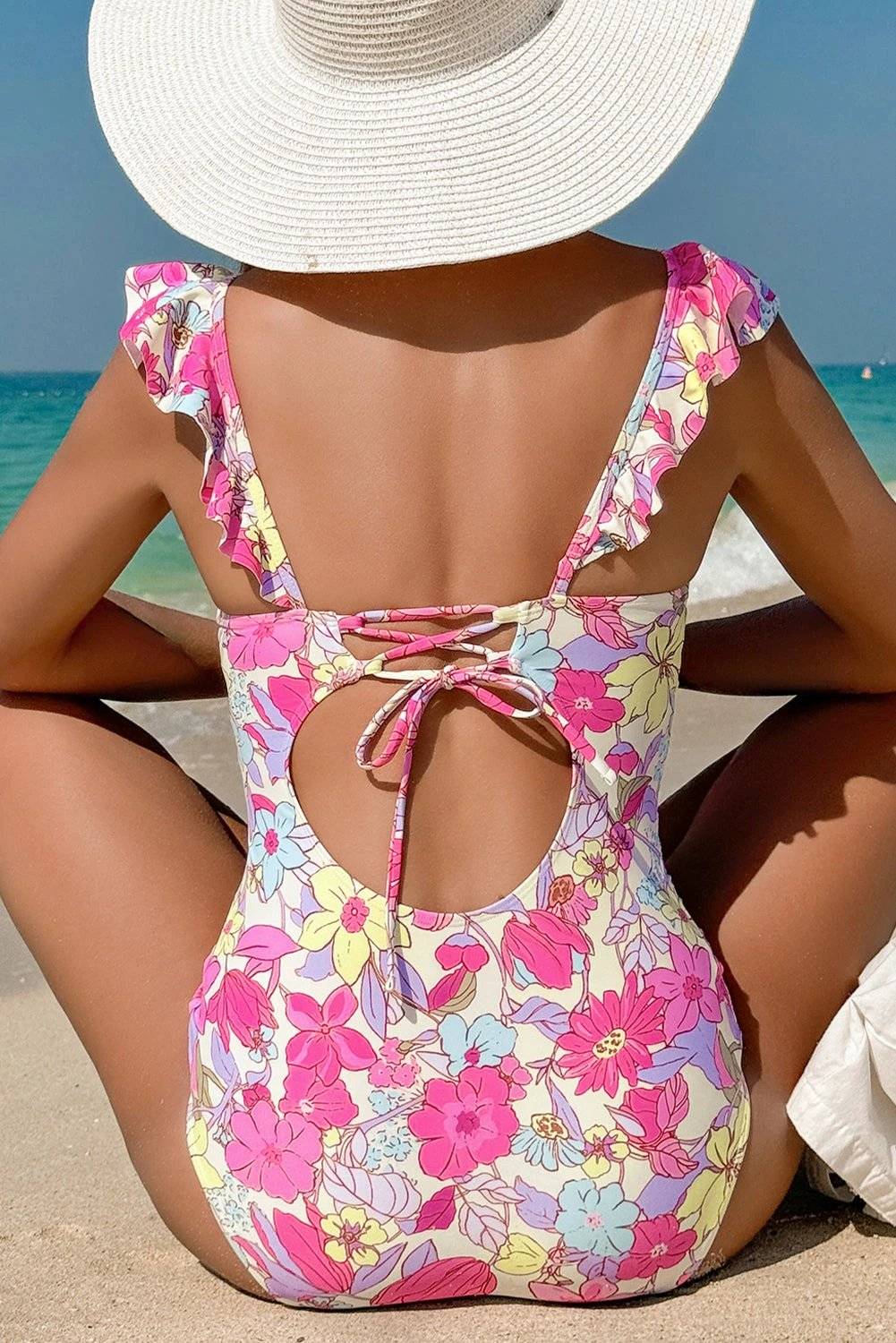
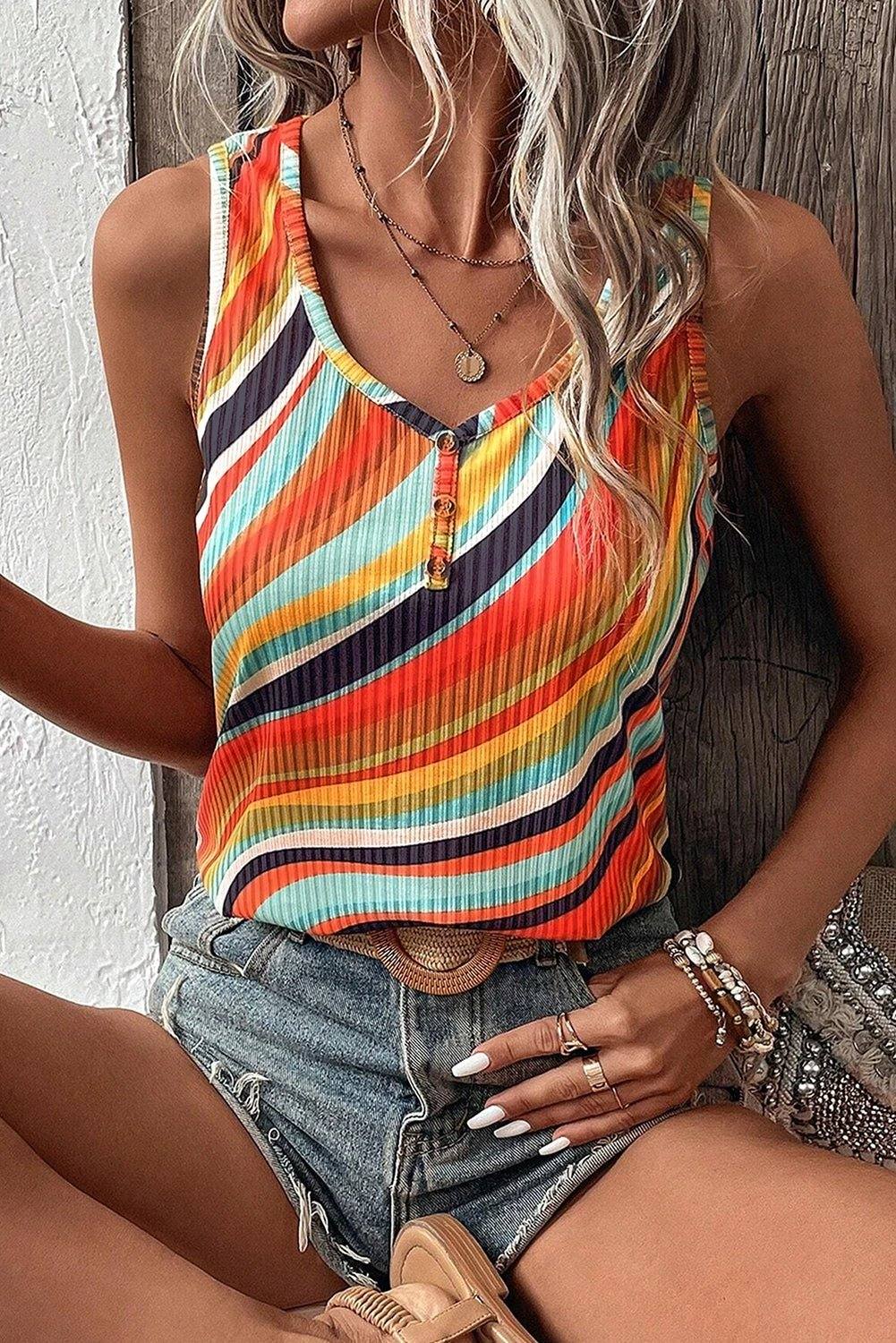
If you love prints, keep them wearable. A floral top, striped sweater, or subtle pattern can absolutely be versatile if the colors connect back to the rest of your closet. A print that only matches one thing is usually more limiting than it seems.
Build outfits around silhouettes that can flex
Versatility is not just about color. It is also about shape. Some silhouettes naturally give you more styling options than others.
Look for pieces that can dress up or down
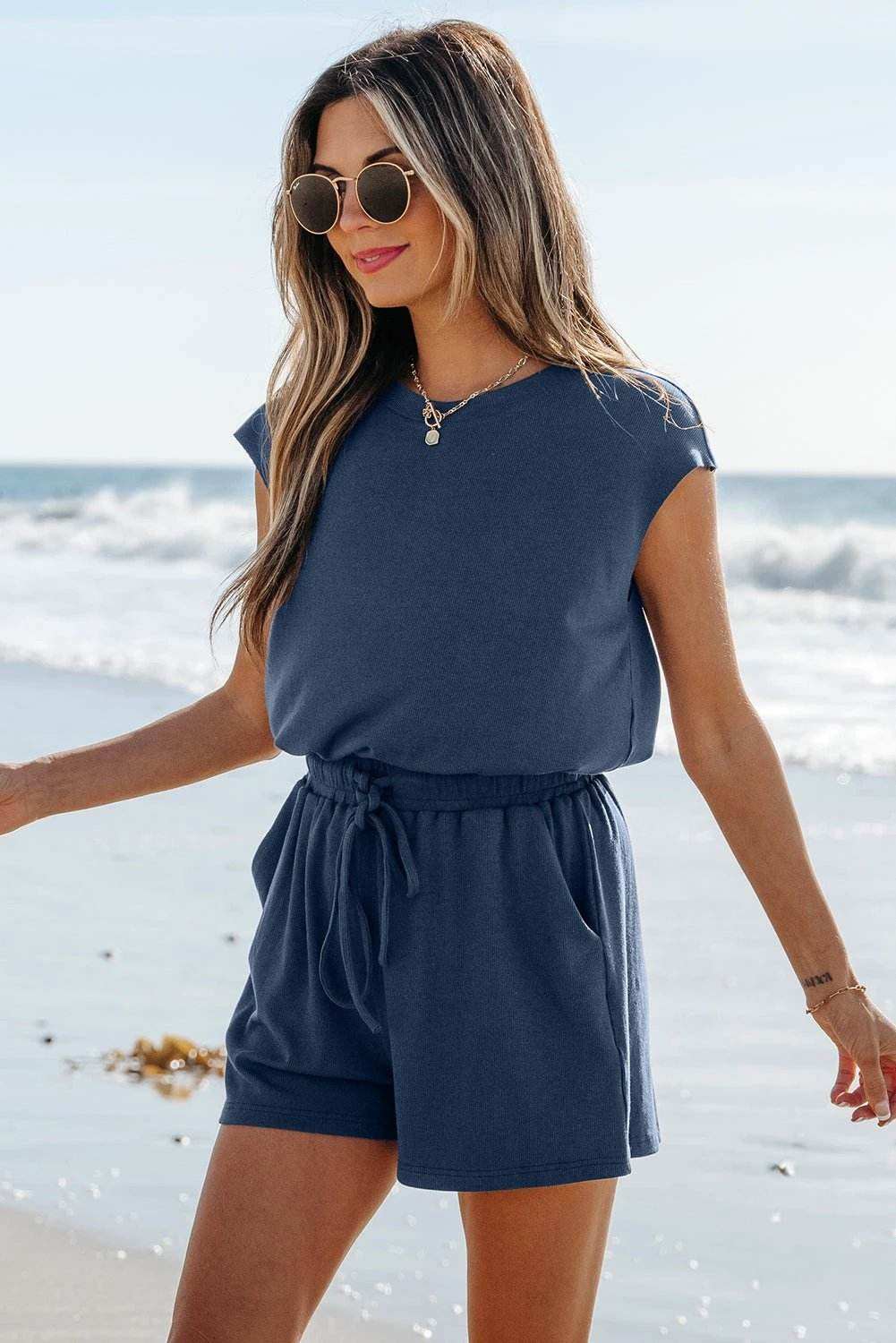
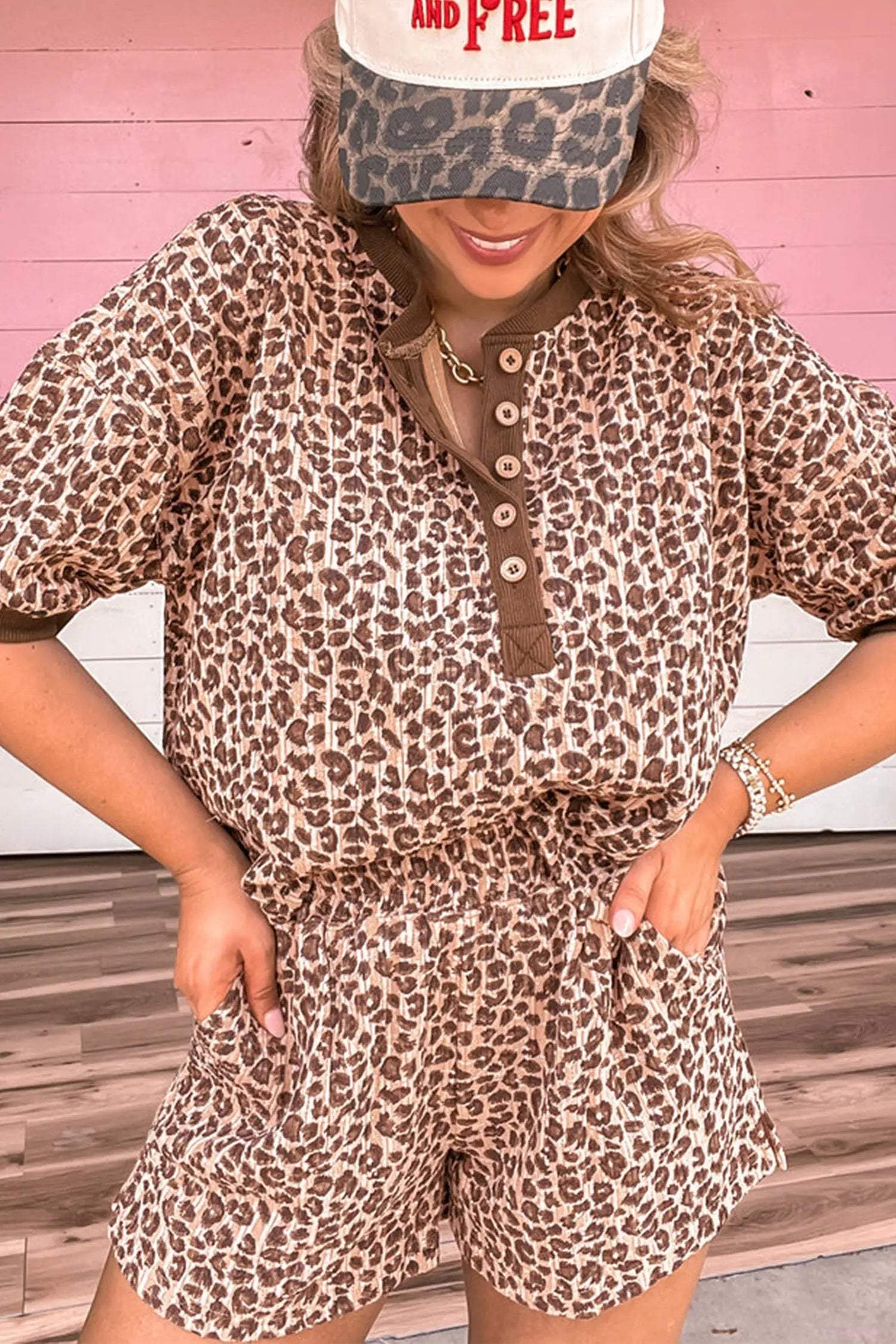
A midi dress is a great example. With flat sandals or white sneakers, it feels easy and casual. Add a cropped jacket and block heels, and it is ready for dinner. A matching set can work the same way. Worn together, it looks polished and complete. Worn separately, each piece opens up new outfit combinations.
Relaxed blouses, straight-leg denim, easy trousers, lightweight jackets, and simple skirts also tend to work hard in a wardrobe. They give you room to shift the tone of an outfit with shoes, jewelry, or layers instead of needing totally different clothing for every plan.
Pay attention to fabric and structure
Some pieces look versatile in theory but feel too casual or too formal once you put them on. Fabric is usually the reason. A soft drapey blouse can move across occasions more easily than a stiff top that only feels dressy. A denim jacket with a clean fit often works better than one with overly distressed details if your goal is flexibility.
Structure matters too. Pieces with a flattering shape but not too much rigidity tend to be the most wearable. You want items that hold their own, but still feel natural in everyday settings.
Use layers to get more from every outfit
If you are wondering how to build versatile outfits without constantly shopping, layering is one of the best answers. Layers change the look, the season, and the occasion of an outfit with very little effort.
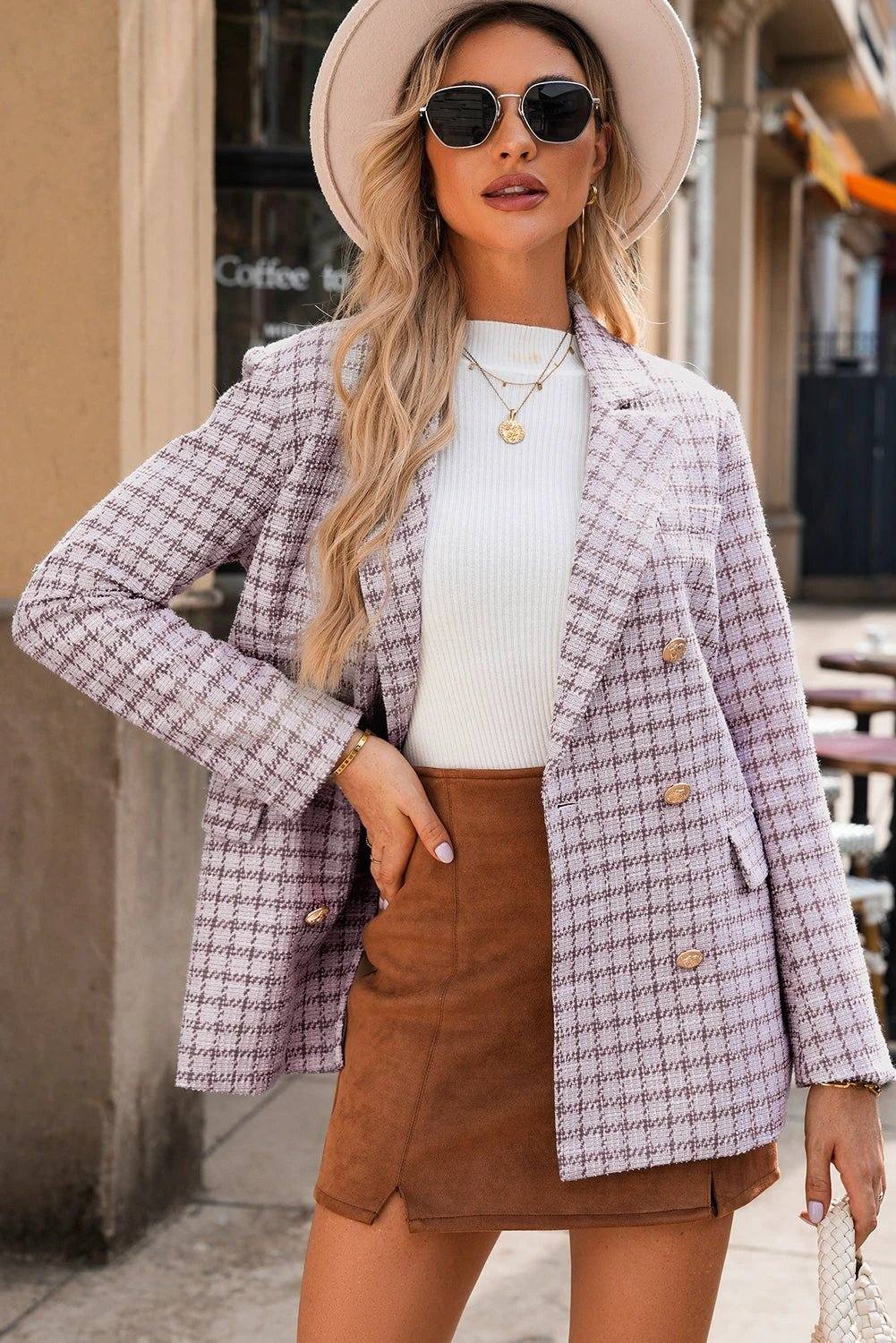
A fitted tank under a button-down gives you options throughout the day. A cardigan over a dress makes it office-friendly and adds comfort in cooler spaces. A jacket over denim and a tee instantly makes a simple base outfit feel complete.
The key is choosing layers that are light enough to wear often and clean enough in shape to work with multiple silhouettes. You do not need ten jackets. You need one or two that genuinely earn their place.
Let accessories change the mood
Accessories are where a versatile wardrobe becomes personal. They can take the same core outfit in totally different directions without making your closet feel crowded.
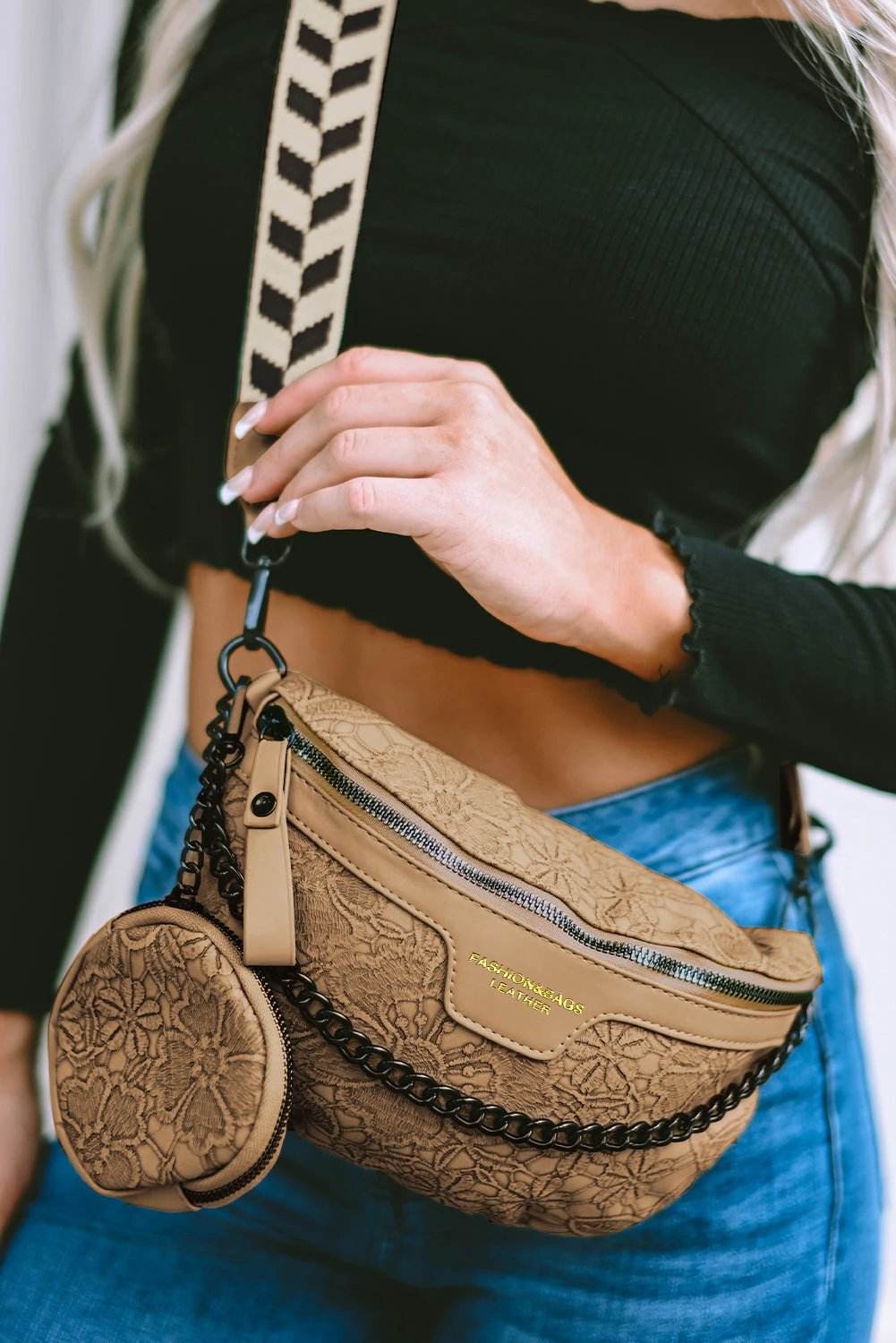
A crossbody bag and sneakers say casual day out. Swap in a heeled sandal, a polished tote, and a few simple jewelry pieces, and the outfit feels more elevated. Even a belt can change the whole shape of a dress or oversized shirt.
This is one area where restraint usually works in your favor. You do not need a huge accessory collection. You just need a few reliable options that help your clothes stretch further.
Make sure every new piece passes the real-life test
Before buying something new, pause and picture how it fits into your actual week. Can you wear it at least three different ways with pieces you already own? Does it work for more than one setting? Can you style it with shoes you already have?
That does not mean every item has to be endlessly multifunctional. Sometimes a special piece is worth it because you simply love it. But if your goal is a wardrobe that feels useful and easy, most of what you buy should play well with the rest of your closet.
This is where a thoughtful, wearable collection makes a difference. Brands like J&H Apparel focus on pieces that feel current without being hard to style, which is exactly what makes everyday dressing simpler.
Common mistakes that make outfits feel less versatile
A lot of women think they need more clothes when what they actually need is more connection between the clothes they already have. One common mistake is buying pieces for a fantasy version of life instead of the one you really live. Another is choosing items that are trendy but too specific to wear more than once or twice.
It also helps to be honest about comfort. If something looks great on the hanger but never feels right once you are dressed, it will not become a wardrobe favorite. Versatility depends on wearability. If you are tugging, adjusting, or changing halfway through the day, that piece is not doing its job.
The same goes for filling your closet with basics that feel flat. Versatile does not have to mean plain. A top with a pretty sleeve, a dress with a flattering waist, or denim with a polished fit can still be easy to style while feeling more special.
A simple outfit formula to rely on
When you want to get dressed fast, use a repeatable formula: one base piece, one layer, and one finishing detail. Your base might be a dress or denim with a top. Your layer could be a jacket, cardigan, or button-down. Your finishing detail could be earrings, a belt, or a bag that pulls it all together.
This formula works because it gives your outfit shape without making it complicated. It also makes it easier to rotate pieces and keep looks feeling fresh. The blouse changes, the jacket changes, the shoes change, but the process stays simple.
That is really the heart of learning how to build versatile outfits. You are not trying to reinvent your style every morning. You are creating a wardrobe that gives you options while still feeling easy, flattering, and true to your everyday life.
The best outfits are the ones you actually want to wear again. Start there, build with intention, and let your closet do more of the work for you.