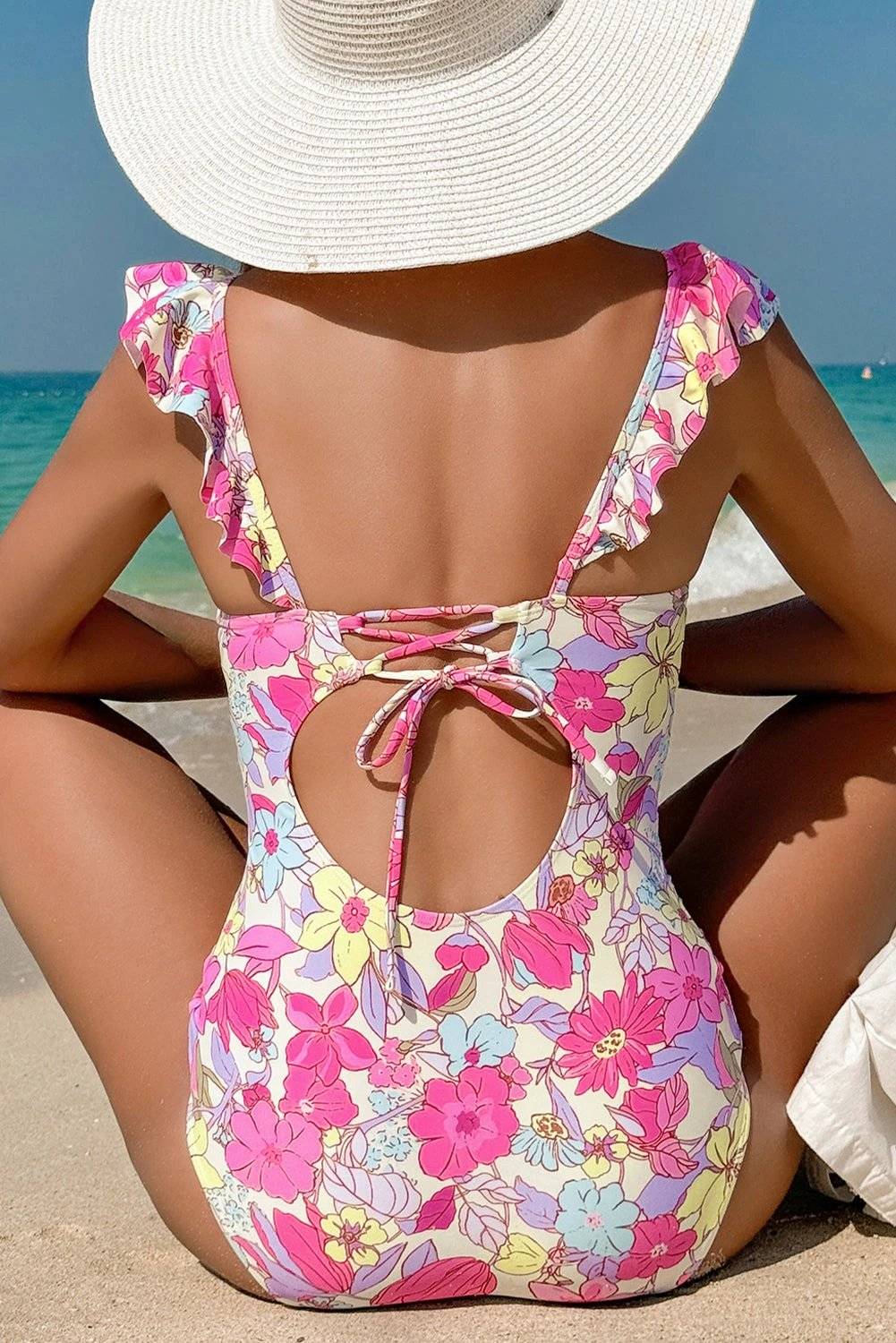


The shirt looked fine on the hanger. Then it arrived thin enough to show every layer underneath, short enough to ride up when you reached for the top shelf, and somehow less useful than the T-shirt you were replacing. That is the frustrating part of shopping for affordable women's clothing that doesn't look (or feel) cheap: the price is easy to see, but the difference between a good everyday piece and a disappointing one often is not.
You do not need a closet full of expensive clothes to get dressed for work, errands, school pickup, and everything that happens between them. You need pieces that hold up to regular wear, feel comfortable through a long day, and pair with what you already own. A lower price can be a smart choice when you know what details are worth checking before you buy.
What Makes Affordable Women's Clothing Feel Better
Price does not tell the whole story. A dress can cost less because it has a simple shape, comes in fewer colorways, or is sold directly to customers rather than through several retail markups. Those are different from the shortcuts that make a garment feel flimsy after one wash.
The goal is not to expect a $30 top to perform like a tailored jacket. It is to look for value where it counts: fabric that has enough weight for its purpose, seams that lie flat, a fit that lets you move, and a style you will actually wear again next week.
A simple ribbed top, for example, does not need complicated details to earn its place in your drawer. It should feel soft without being see-through, have a neckline that stays in place, and be long enough to wear with jeans or leggings without constant tugging. Those practical details are what make an affordable piece feel considered.
Start With Fabric, Not the Trend
You do not need to memorize fabric terms or inspect a garment like a lab sample. A few basic checks can save you from ordering something that only looks good in a product photo.
Look for the right weight for the job
Lightweight fabric is not automatically low quality. It can be exactly right for a warm-weather blouse, a pool cover-up, or a relaxed tee. The question is whether it suits the garment. A white or light-colored top may need a little more substance than a loose summer tank. Leggings and fitted pants need enough stretch and recovery that they do not go baggy by lunchtime.
Product descriptions should tell you what the fabric feels like, whether it has stretch, and how it fits. If the details only say soft and cute, that is not much to work with. Useful information sounds more like lightweight with stretch, lined, relaxed fit, or structured waistband.
Choose blends with a purpose
Natural fibers can feel great, but blends are often practical for a packed week. Cotton with a touch of stretch can make everyday tops easier to move in. Rayon blends can give dresses and blouses a softer drape. Polyester can help certain pieces resist wrinkles and keep their shape.
There is no single best fabric. It depends on where and how you will wear it. A breathable cotton tee may be your most-reached-for piece on a hot day, while a wrinkle-resistant blouse may make more sense when you are heading from drop-off to work. The better choice is the one that matches your real routine and care preferences.
Check for lining, coverage, and recovery
A lined skirt or dress can make an affordable piece feel much more wearable, especially in lighter colors. For knits, look for notes about opacity and stretch. For elastic waistbands, consider whether the fabric will bounce back after sitting, bending, and moving through the day.
Reviews can help here, but read them with context. A reviewer who wanted a body-hugging fit may dislike the same relaxed silhouette that works for you. Pay closest attention to comments about sheerness, shrinking, stitching, length, and whether the item held up after washing.
Fit Is Where Value Shows Up Every Day
A lower-priced piece that fits your body and your routine is a better buy than a pricier one that stays unworn. Fit is not about squeezing into a number on a tag. It is about whether you can sit in the car, carry groceries, crouch to find a missing shoe, and get through your day without adjusting your clothes every five minutes.
Use measurements as your shortcut
Size labels vary, including within the same store. That is why garment measurements and size charts matter more than the size you bought somewhere else last month. Check the bust, waist, hip, inseam, and length when they are available. If you are between sizes, decide based on how you want the piece to fit and whether the fabric has stretch.
For plus-size shoppers, full sizing should be part of the collection from the start, with the same clear fit notes and useful details. Nobody needs a separate, vague version of the shopping experience.
Favor shapes that do more than one job
The most useful affordable pieces are usually not the loudest ones. Think straight-leg pants that work with sneakers or flats, a soft midi dress you can wear with a denim jacket, or a button-front shirt that handles a casual workday and a grocery run without feeling fussy.
This does not mean every item has to be plain. A print, textured knit, flattering neckline, or well-placed pocket can make getting dressed more interesting. It just helps when the piece still works with the jeans, layers, and shoes already in your rotation.
Affordable Pieces That Pull Their Weight
When you are building a wardrobe around real life, start with categories that solve repeat problems. A few dependable tops, comfortable bottoms, easy dresses, and layers can create far more outfits than a pile of one-time purchases.
Tops are often the fastest place to improve a weekday uniform. Look for tees with a substantial feel, relaxed blouses that do not require special undergarments, and knit tops that can be worn alone or layered under outerwear. A good top should work with the bottoms you already reach for, not demand a whole new outfit.
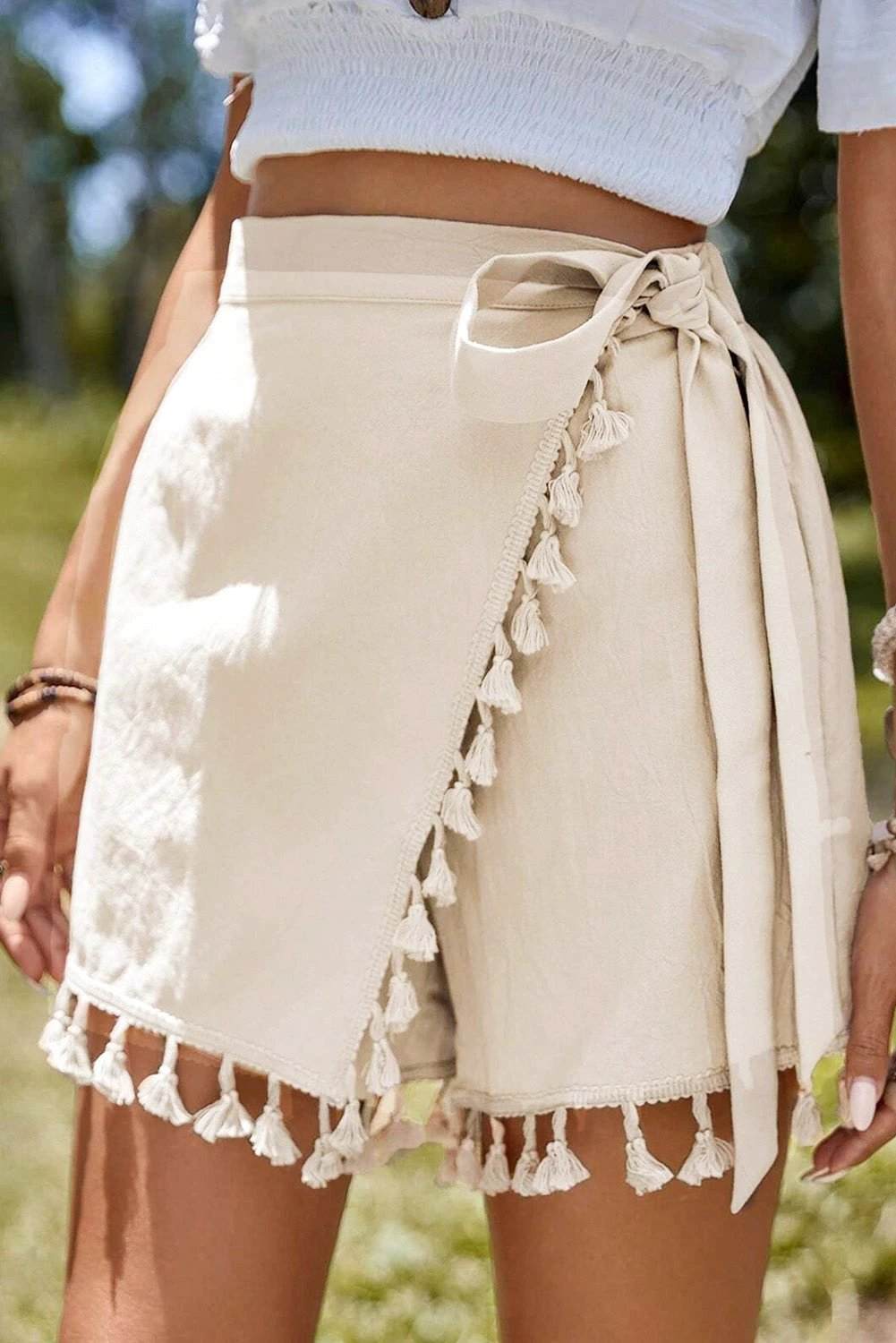
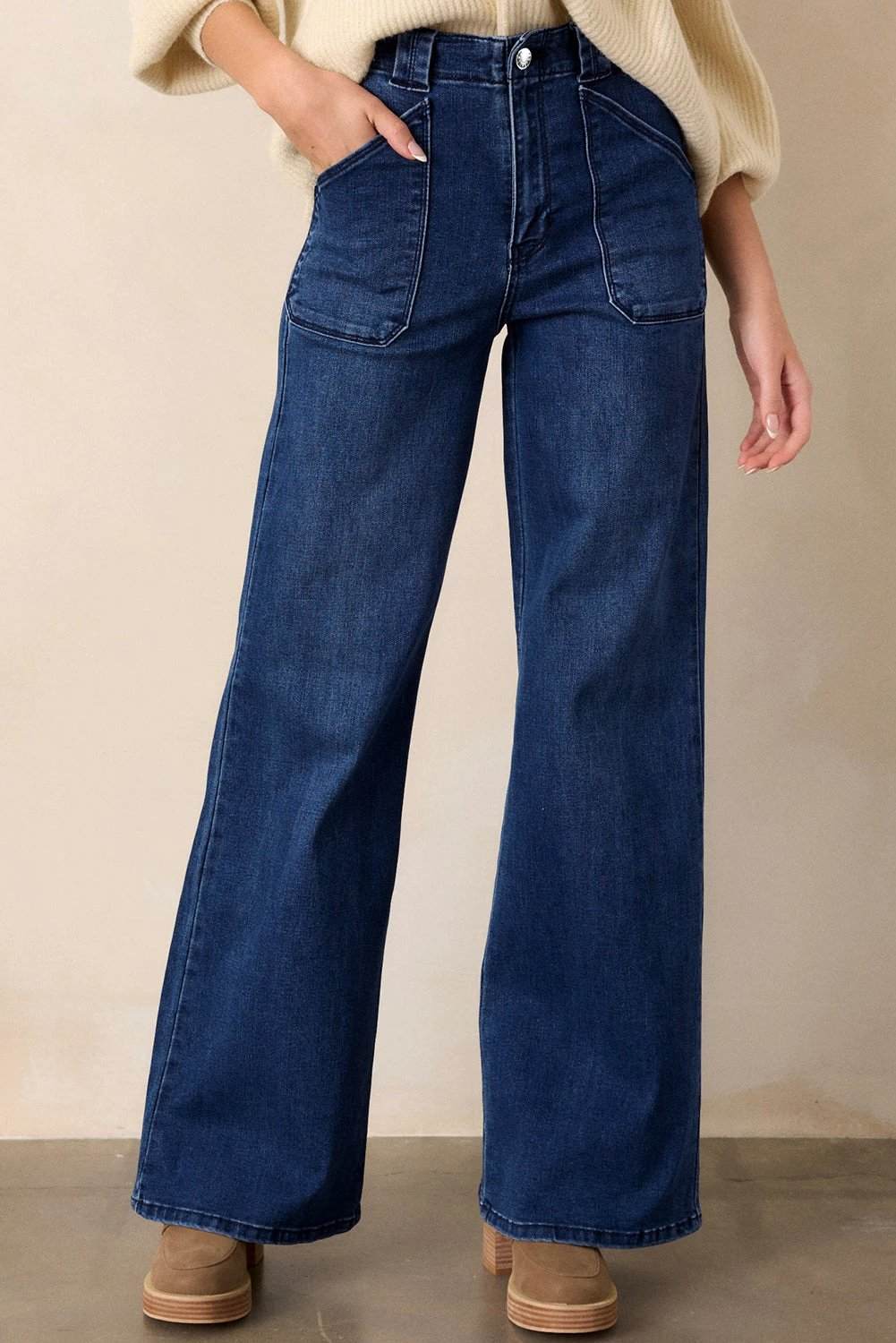
For bottoms, prioritize waistbands, pockets, length, and movement. Pull-on pants can be useful for busy mornings, but they should still have a clean shape and fabric that does not cling in uncomfortable ways. Denim, wide-leg pants, leggings, and casual skirts all have a place when the fit feels right and the styling stays simple.
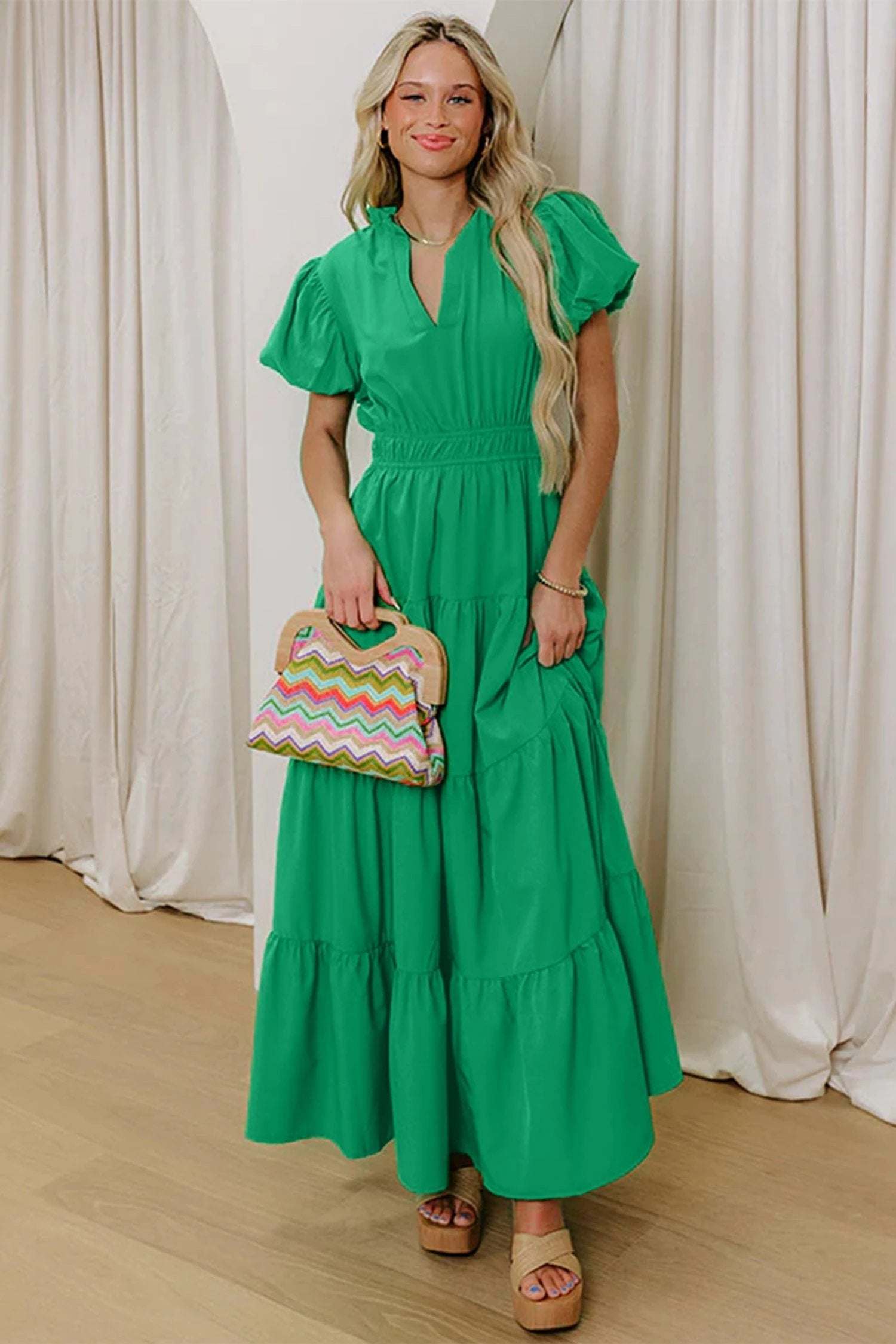
Dresses, rompers, and jumpsuits can cut down the number of decisions you make, but only if they are practical. Check strap adjustability, torso length, bathroom convenience, and whether you can add a layer when the air conditioning is doing too much. A dress with pockets and a comfortable waist may get worn repeatedly. A jumpsuit that is hard to get in and out of may not.
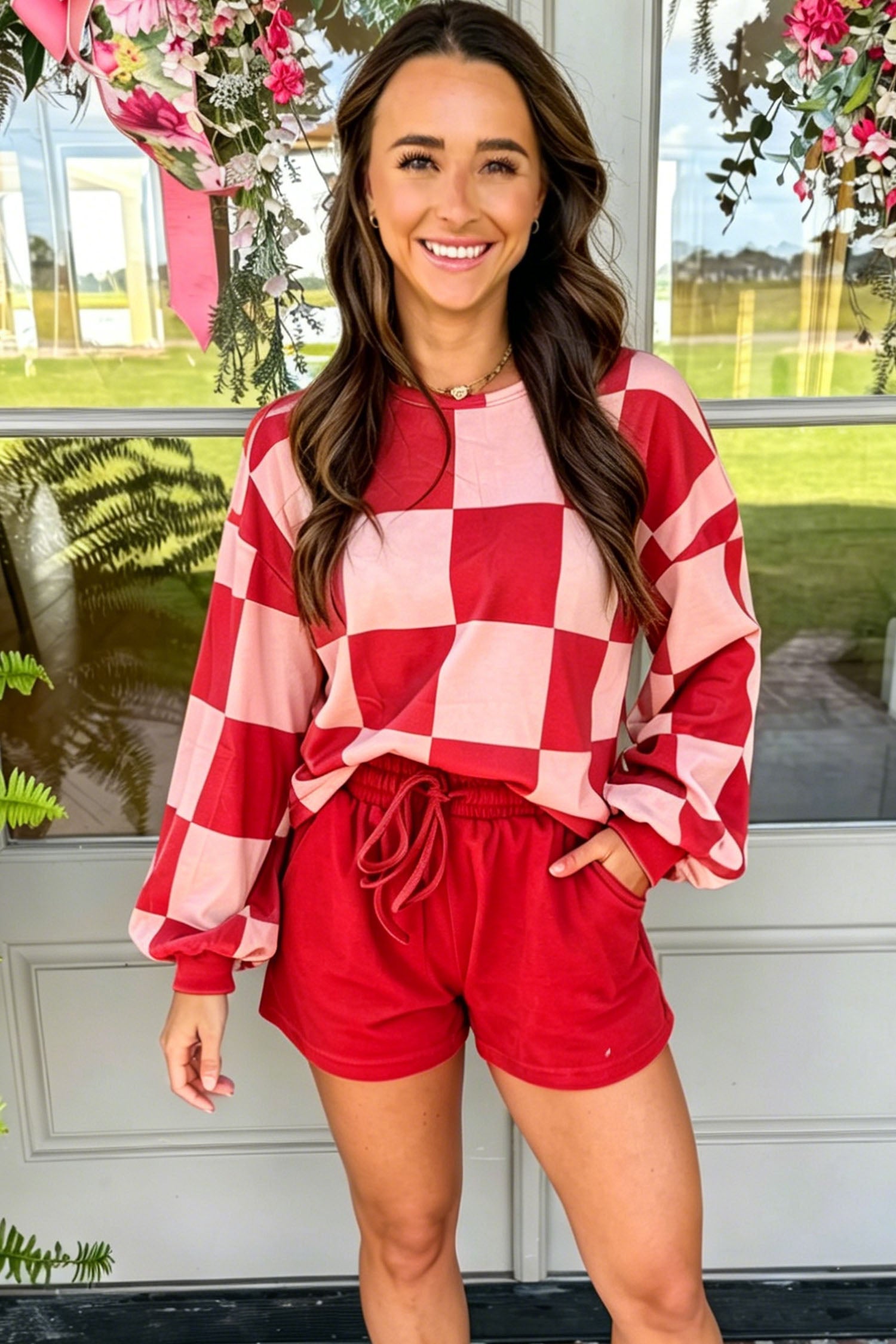
Outfit sets are another smart option when you want a ready-made look without overthinking it. The strongest sets also work as separates, giving you more ways to wear each piece. That is the kind of versatility that makes a purchase go further.
How to Shop Without Ending Up With Another Return
Online shopping is convenient, but it works best when you slow down for two minutes before checking out. Read the fabric details, compare measurements, and look at every available photo. Notice where the hem falls, how the sleeves fit, and whether the model's height is listed. If a piece is shown tucked, layered, or clipped in the photos, keep that in mind.
It also helps to shop with a gap in mind. Maybe you need two tops that work with your go-to jeans, a light layer for classrooms and offices, or a swimsuit cover-up that you can throw on after the pool. Shopping for a specific need makes it easier to skip items that are fun in theory but hard to wear on a regular Tuesday.
At J&H Apparel, clear sizing guidance and everyday fit details are there to make that decision easier. The point is not to build a perfect wardrobe overnight. It is to find a few pieces that make tomorrow morning simpler.
Affordable Women's Clothing That Does Not Look Disposable
The best way to make affordable clothing look more pulled together is not to pile on accessories or copy a complicated outfit. It is to pay attention to condition and pairing. A clean, wrinkle-free top with pants that fit well will usually look better than an expensive item that is stretched out, faded, or uncomfortable.
Wash pieces according to their care instructions, especially knits, stretchy fabrics, and darker colors. Give yourself permission to repeat outfits you like. Rewearing a comfortable dress with a different layer or switching sneakers for sandals is not boring. It is what a useful wardrobe is for.
Buy the top you will wear to the school pickup line, the pants you can sit in through a full workday, and the dress that does not need a special plan. When clothing works for your actual schedule, affordable can feel like the easiest choice you made all week.