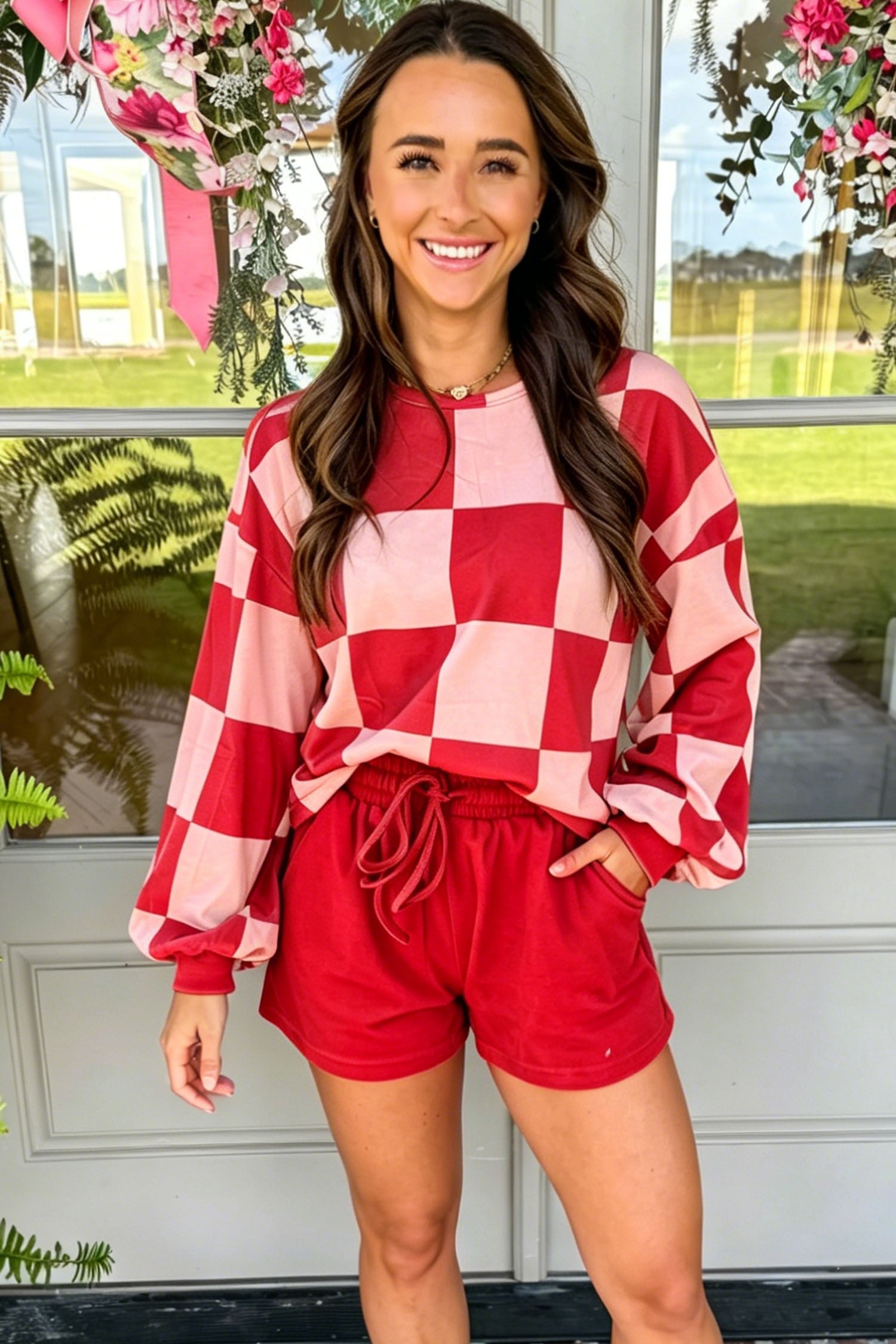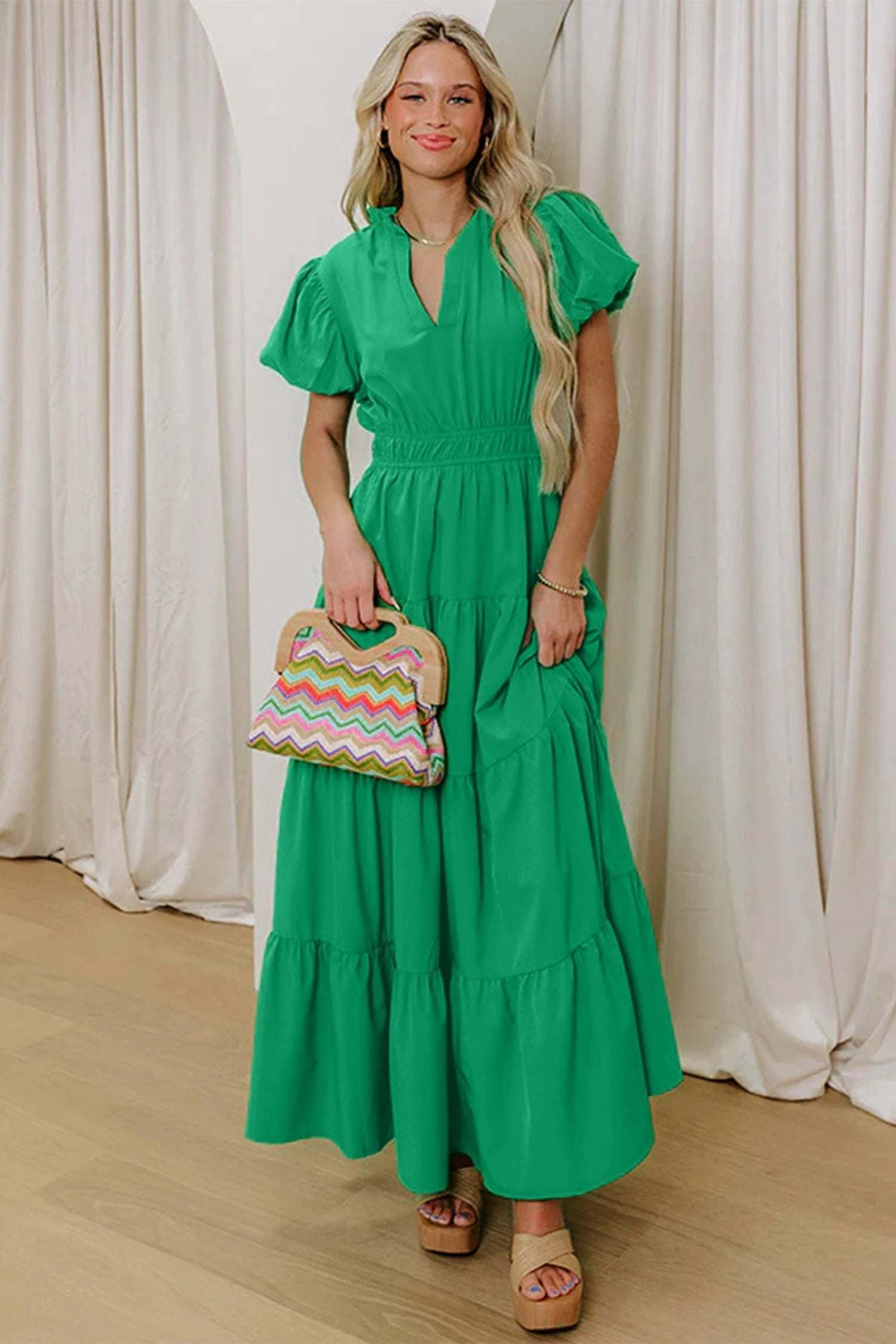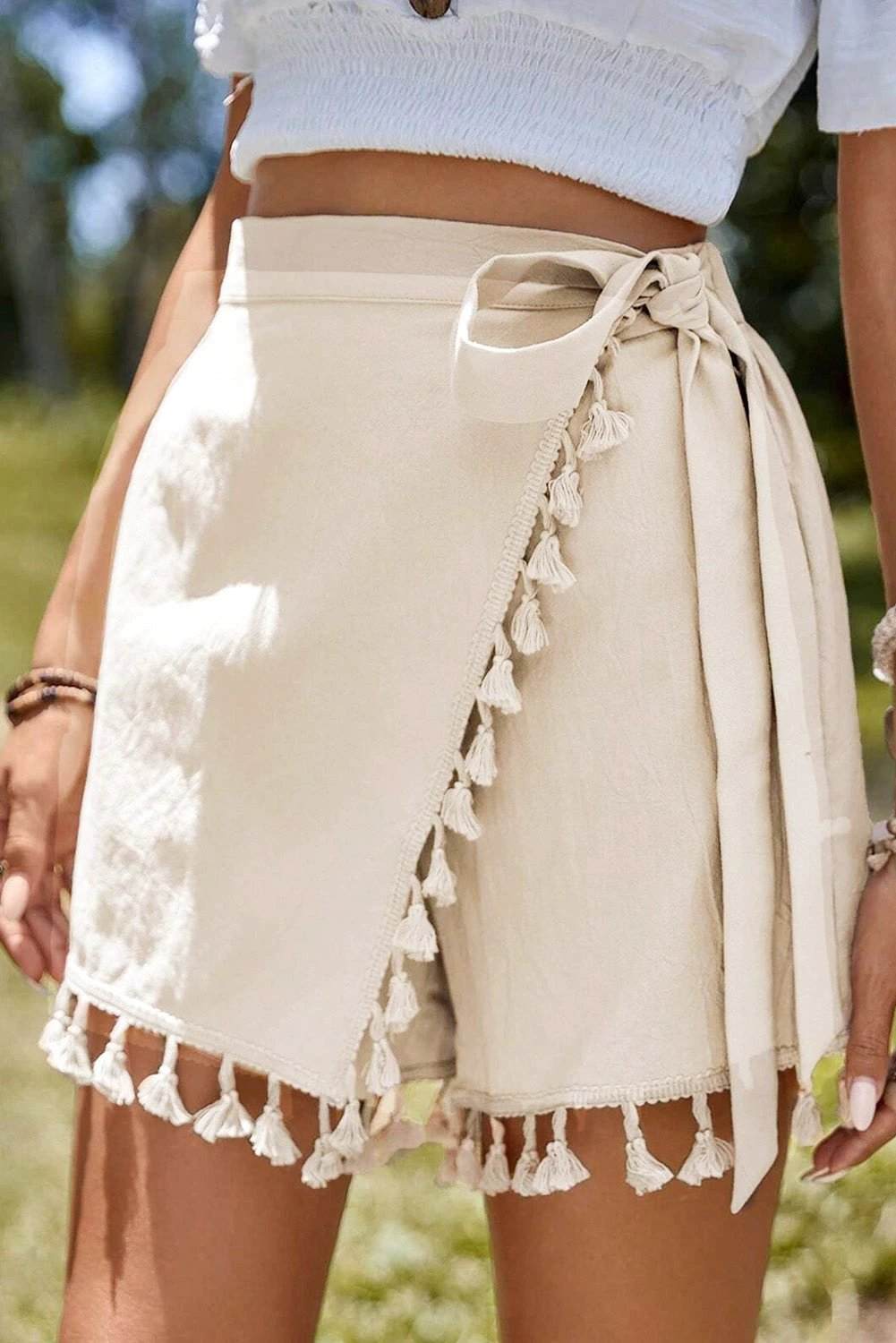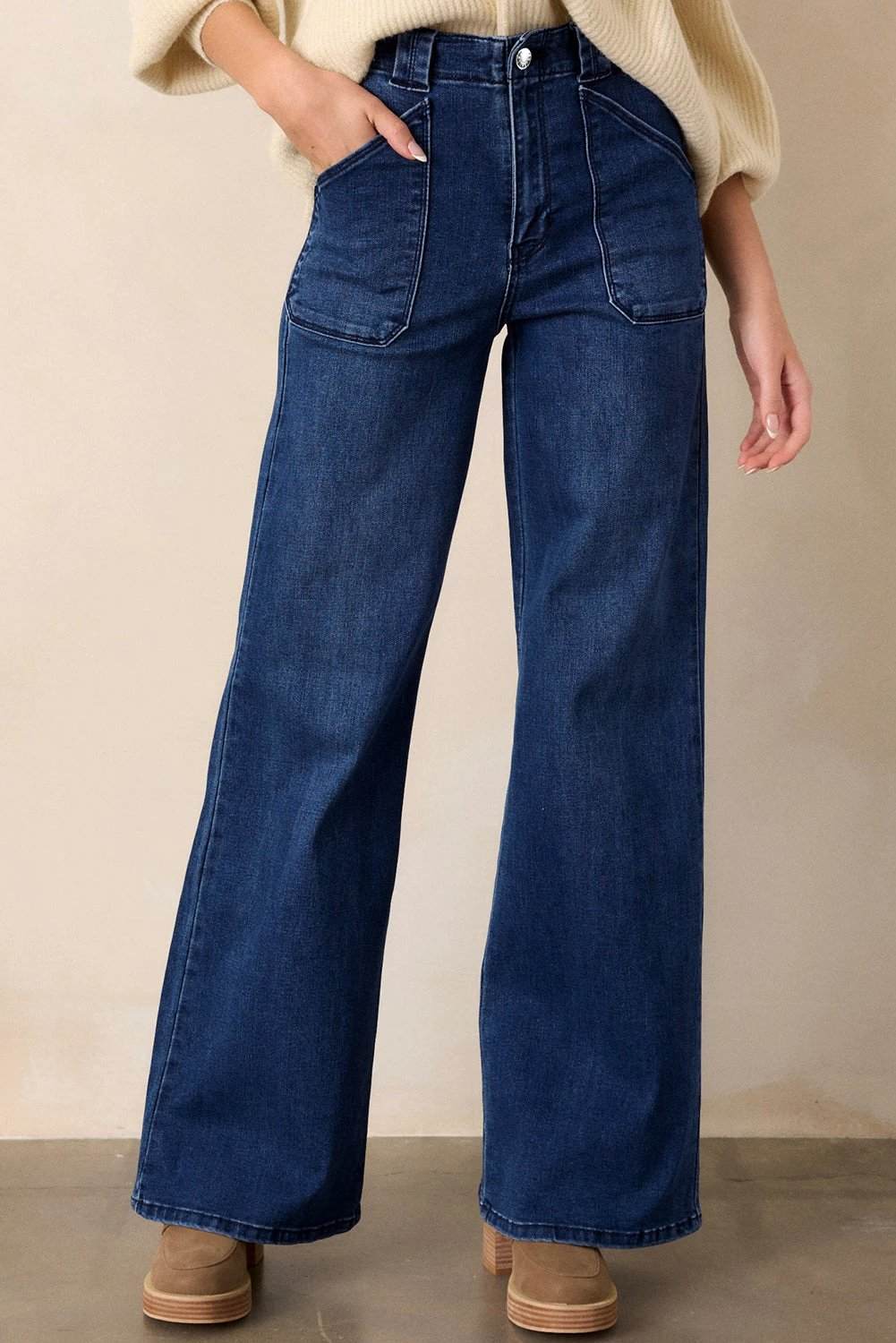

A good guide to women sizing should make getting dressed easier, not give you another thing to second-guess at 10:30 p.m. after everyone else is settled. The size on a tag is only a starting point. Your measurements, the fabric, the cut of the piece, and how you want it to move through a normal day all matter more.
The goal is not to chase one number across every brand. It is to find the fit that lets you sit at your desk, reach for groceries, crouch beside the laundry basket, and head to school pickup without tugging, pinching, or thinking about your clothes all day.
Start with your measurements, not your usual size
Sizes can vary from one style to the next, even within the same store. A medium in a relaxed tee may fit very differently from a medium in a fitted button-front top. That is normal, and it is why a quick set of current measurements is more useful than relying on the size you wore a few years ago or the size that usually ends up in your cart.
Use a soft measuring tape and wear close-fitting clothes, or measure over undergarments. Keep the tape level and snug without pulling it tight. Write your numbers down in your phone so you have them when you shop.
For most women’s clothing, these are the measurements you will use most often:
- Bust: Measure around the fullest part of your bust, with the tape straight across your back.
- Waist: Measure around the narrowest part of your natural waist. This is often above where your everyday jeans sit.
- Hip: Stand with your feet together and measure around the fullest part of your hips and seat.
- Inseam: Measure from the top of your inner thigh to the length where you want pants to end.
Read the size chart with the garment in mind
A size chart is useful only when you pair it with the product description. Check whether the chart lists body measurements, garment measurements, or both. Body measurements tell you which size is intended to fit you. Garment measurements tell you the actual dimensions of the piece itself.
That difference matters. A woven blouse with little stretch needs extra room through the bust and shoulders. A ribbed knit top may be designed to sit closer to the body and still move comfortably. A pair of pull-on pants may have a smaller unstretched waist measurement because the elastic is meant to give.
When you are comparing your numbers with a chart, do not expect an exact match in every spot. Clothing needs ease, which is the room built into a garment for sitting, walking, bending, and breathing. A fitted dress needs a different amount of ease than a relaxed sweatshirt. The best size is the one that matches the design of the piece and the way you want to wear it.
What “true to size” usually means
When a product is described as true to size, it generally means you can begin with the size that matches the brand’s chart. It does not mean every person will prefer the same fit. A true-to-size tee can still feel more relaxed on one person and more fitted on another depending on shoulder width, bust, torso length, and personal preference.
Fit notes are where the useful details live. Look for words such as relaxed, oversized, fitted, cropped, longline, high-rise, stretchy, structured, or roomy through the hips. Those details tell you what a plain size label cannot.
How to choose a size when you are between sizes
Being between sizes is common, not a shopping mistake. Start by thinking about the garment’s fabric and the part of your body where you need the most room.
For a woven fabric with little stretch, sizing up is often the more comfortable choice if you are between sizes, especially in button-front tops, tailored pants, jumpsuits, or fitted dresses. You can always use a belt, a front tuck, or a simple alteration for a little extra room at the waist. A garment that pulls across the bust, hips, or back usually has less flexibility.
For a soft, stretchy knit, your usual size may work well even if your measurement lands between chart ranges. This is especially true for tees, sweaters, leggings, and dresses with stretch. If you prefer a closer fit and the product notes say the fabric has good stretch, the smaller option may be right. If you want more room for movement or layering, choose the larger one.
With bottoms, use your hip measurement as the deciding factor when there is a big difference between waist and hip. Waistbands are often easier to adjust with elastic, drawstrings, or a belt than tight fabric through the seat and thighs. For wide-leg pants and relaxed shorts, read the rise and inseam details too. A pair can fit at the waist but still feel wrong if the rise is too short for your comfort or the inseam lands at an awkward spot.
Fit guidance by clothing type
Tops and outerwear
For tops, check bust, shoulder room, sleeve length, and hem length. If you often lift kids, reach into cabinets, or work at a keyboard, shoulder and arm mobility matter just as much as the bust measurement. A relaxed tee or blouse can make everyday dressing simpler because it gives you room without looking like you grabbed the first oversized thing you found.
For cardigans, jackets, and shackets, think about what will go underneath. If you plan to layer over lightweight tees, your usual size may be enough. If you want to wear it over sweaters or thicker long sleeves, sizing up can prevent tightness through the upper arms and back.
Bottoms
Bottoms are usually where exact measurements help most. Check the rise first: high-rise styles sit closer to your natural waist, while mid-rise styles sit lower. Neither is better. It depends on where you like your waistband to rest when you sit, drive, and move through the day.
Then look at the fabric. Denim with stretch can feel more flexible after a few wears, while structured trousers may hold their shape more firmly. A drawstring waist or elastic back can be helpful when you want a little more forgiveness without changing the overall look of the pants.
Dresses, rompers, and jumpsuits
One-piece styles need attention in more than one place. Start with bust and hip measurements, then consider torso length. If you are taller, long-waisted, or prefer more room through the middle, a jumpsuit or romper may feel better in the larger size, particularly when the fabric has limited stretch.
For dresses, think about the silhouette. A swing dress is meant to have room below the bust, while a body-skimming knit dress may follow your shape more closely. If there is a defined waist seam, make sure it will sit where you want it to rather than pulling too high or dropping too low.
Swimwear
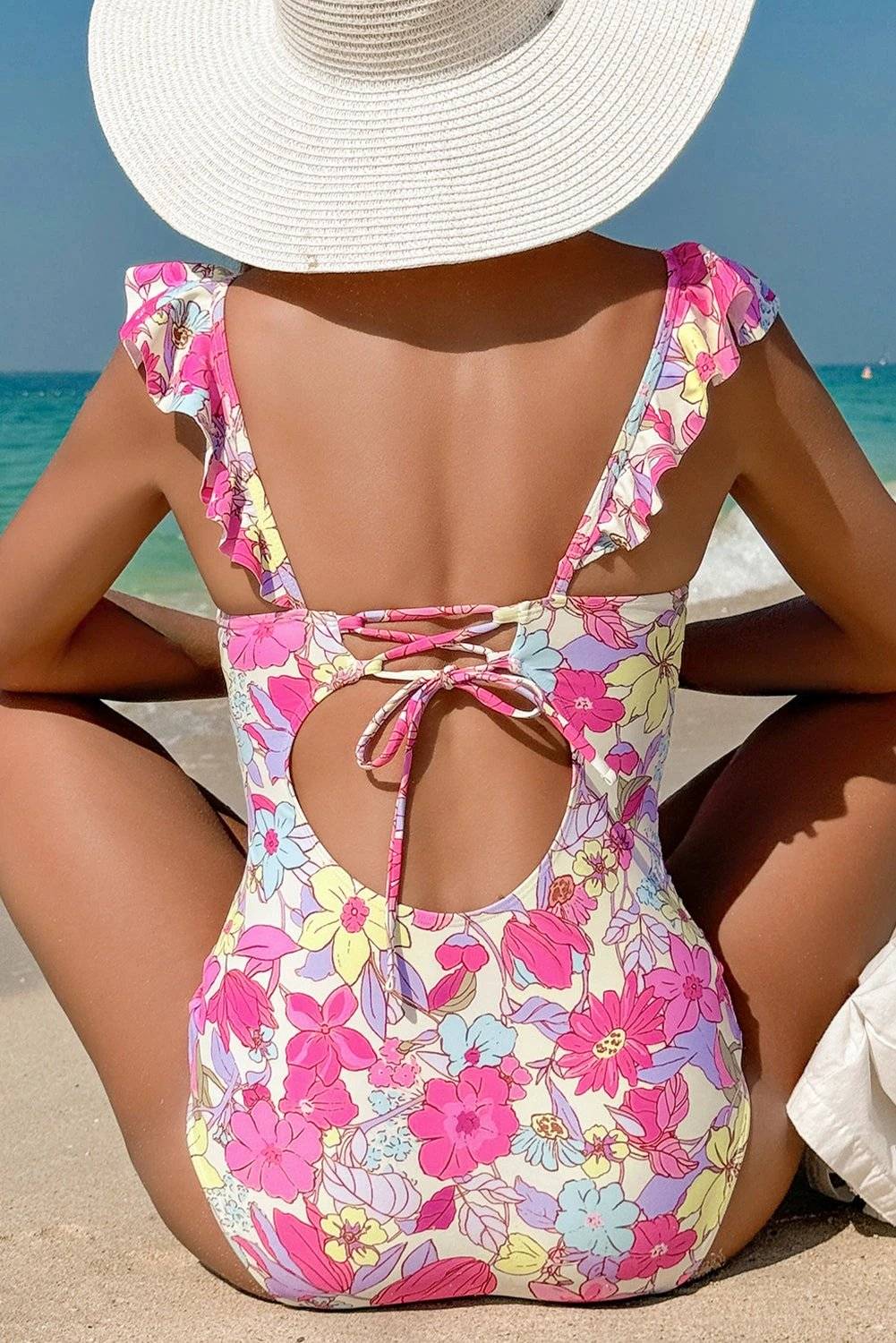
Swimwear should feel secure, but it should not dig into your shoulders, sides, or legs before you even get near the water. Compare bust, waist, and hip measurements, and pay attention to adjustable straps, removable cups, ties, and coverage notes. If you are between sizes, consider where you want more coverage and whether the suit has enough stretch to accommodate both measurements comfortably.
A guide to women sizing that works in real life
The most helpful sizing choice is not always the same across every category. You might wear one size in a relaxed top, another in rigid denim, and a third in a fitted dress. That is not inconsistency. It is simply clothing doing different jobs.
At J&H Apparel, clear measurements and fit details are there to take some guesswork out of the process, including across plus sizes. Before checking out, compare the style’s chart with your saved measurements, read the fabric and fit notes, and picture when you will actually wear it. A top that works with leggings for errands may need a little extra length. Pants for a workday may need a waistband that stays comfortable through a long afternoon.
Keep your measurements handy, trust the fit notes, and give yourself permission to choose the size that feels right on your body now. The right clothes should leave you with one less decision to make when Tuesday morning gets loud.