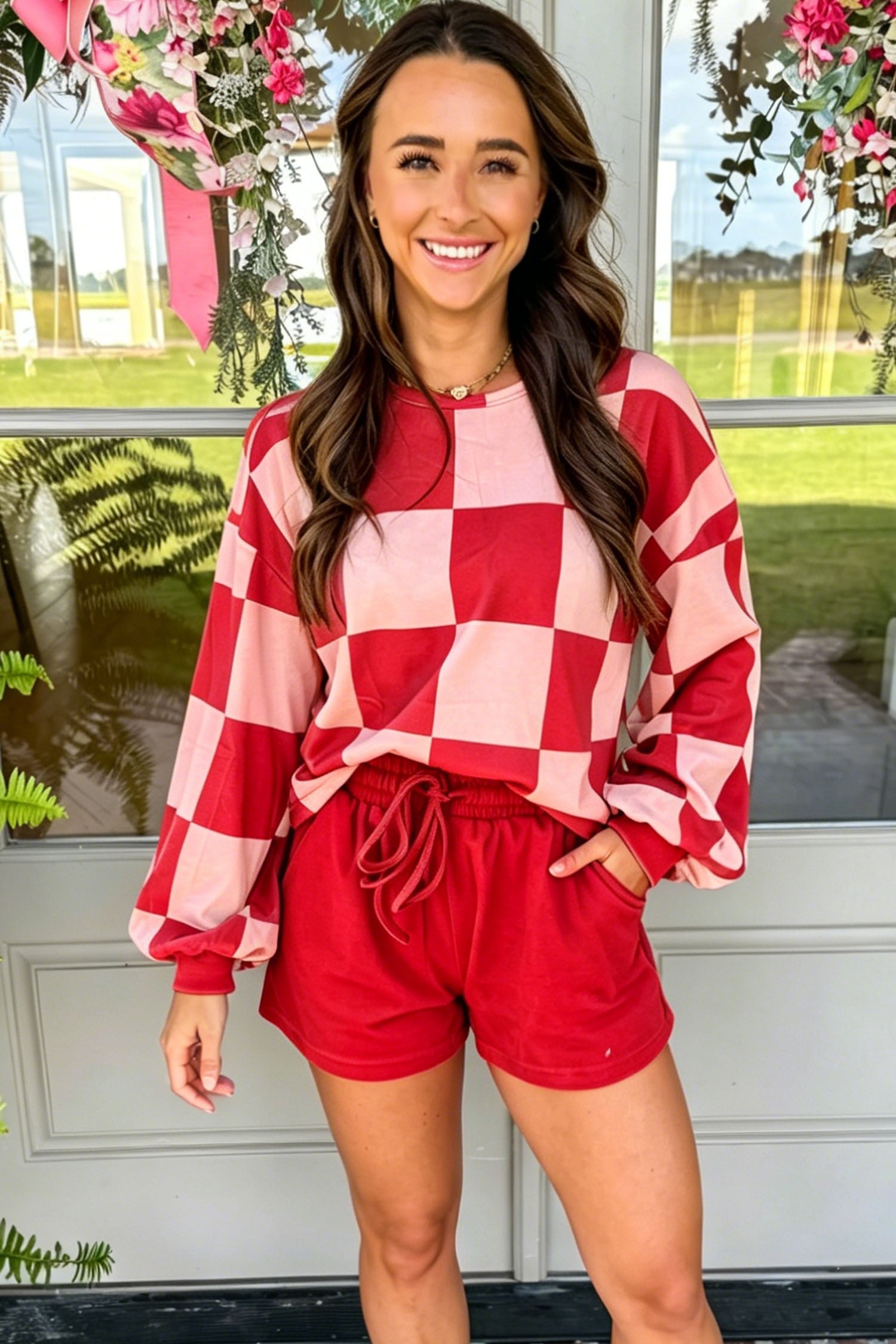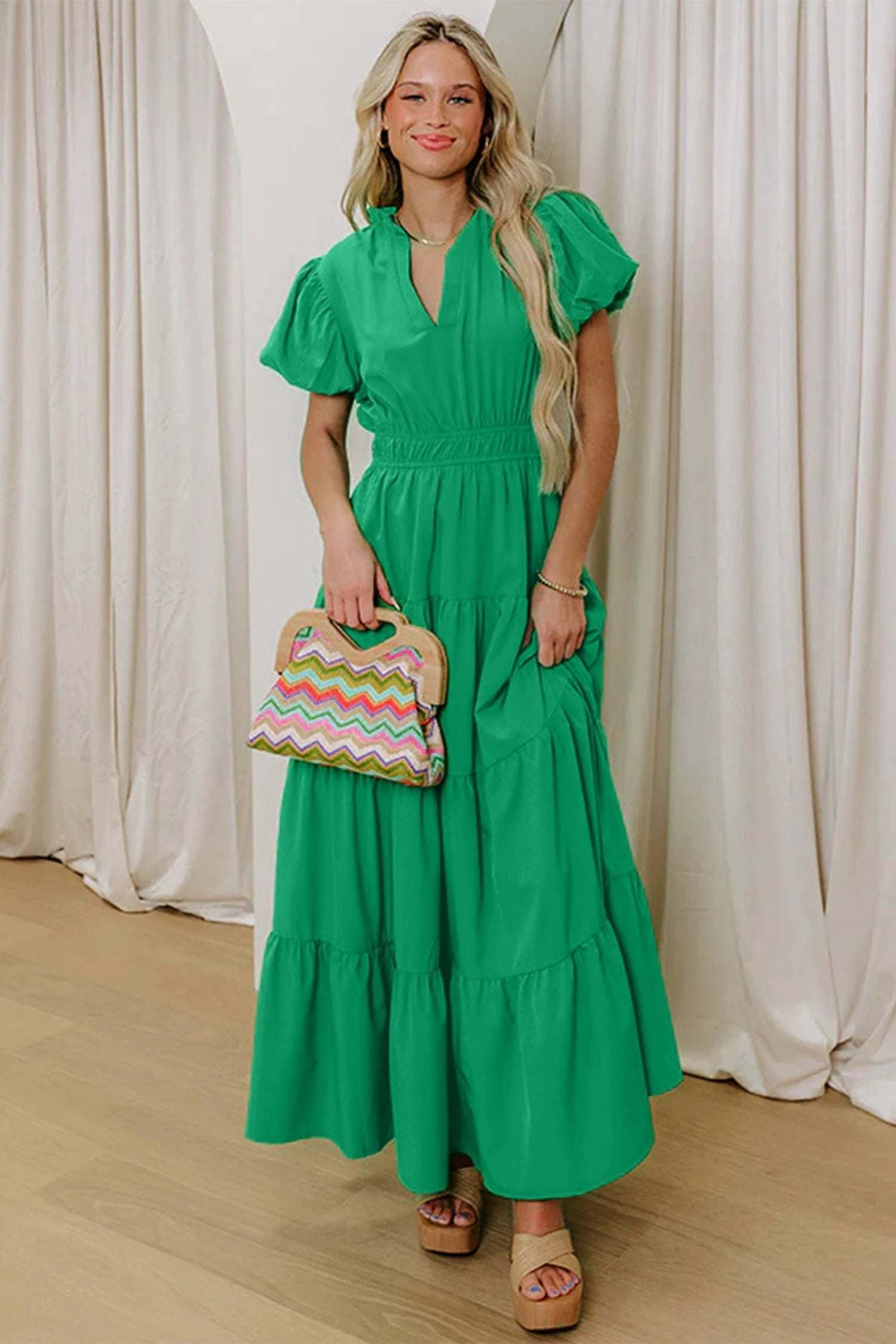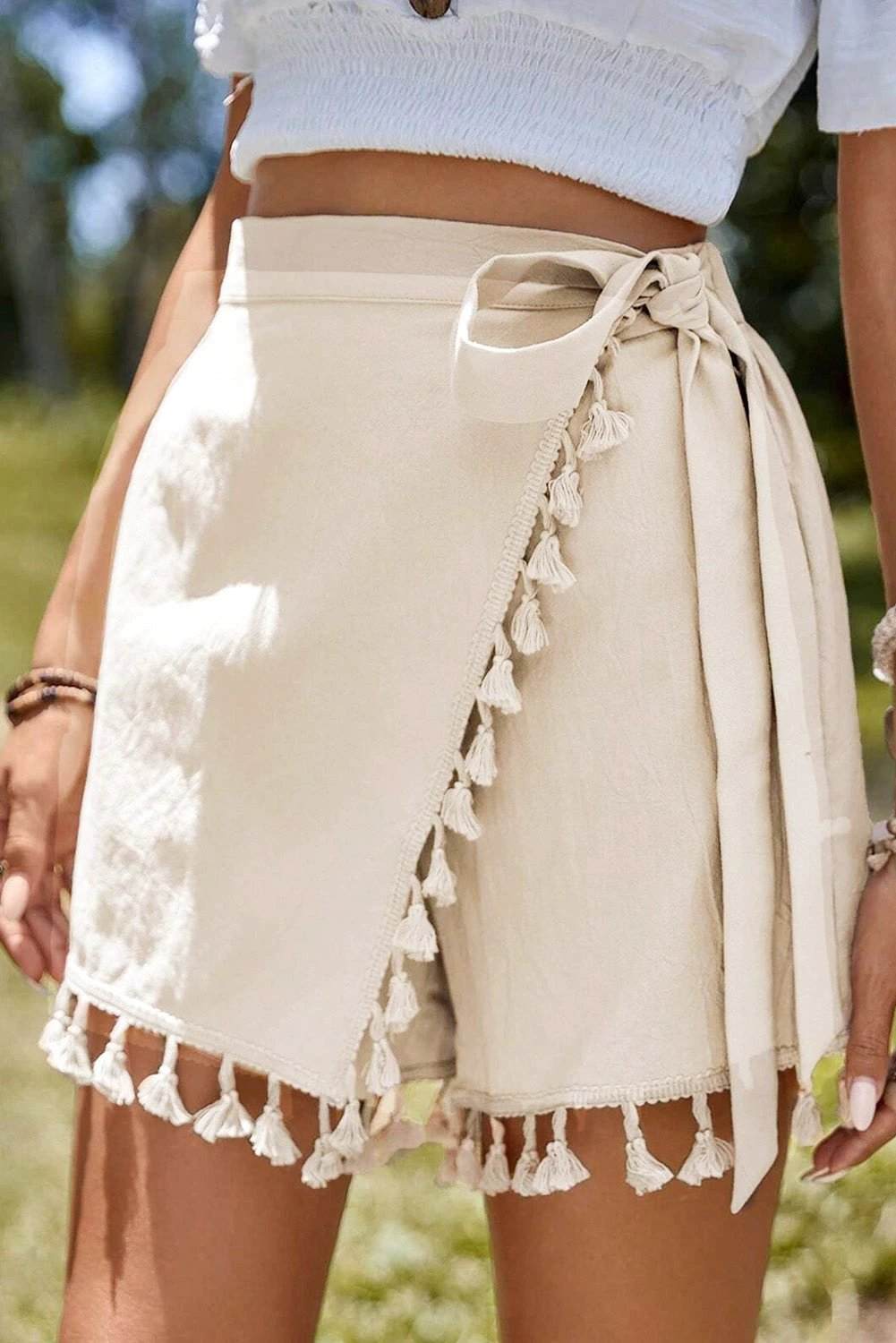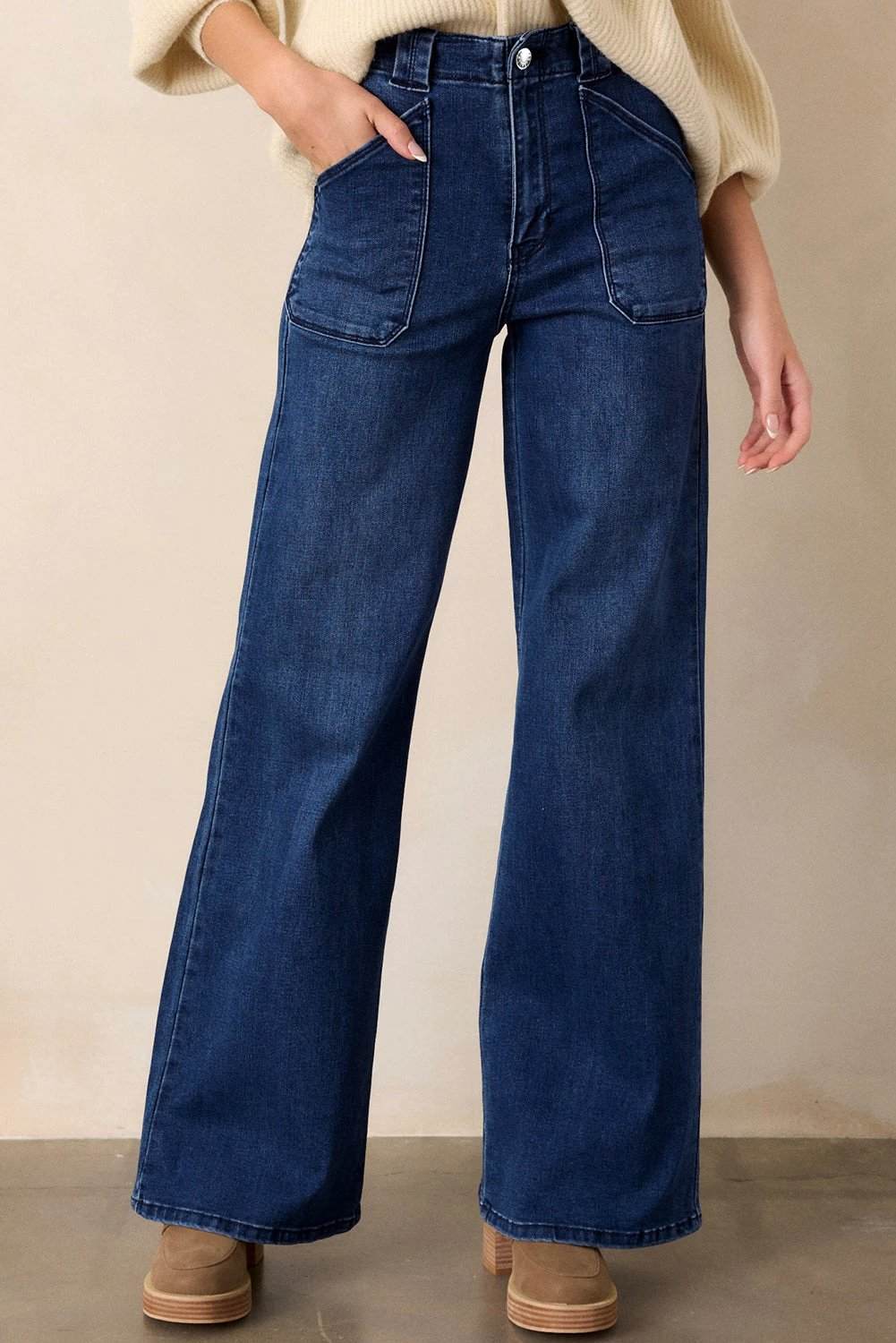


The outfit has to make it through more than your first meeting. A real guide to casual workwear needs to account for the coffee run, the video call, the spreadsheet, school pickup, and the grocery store you remembered at 4:45. The goal is not a separate work wardrobe that only works from 9 to 5. It is a small group of comfortable pieces that look appropriate at work and still make sense for the rest of your day.
Casual workwear is less about following a strict formula and more about choosing clothes with a little structure, easy movement, and enough versatility to wear again tomorrow in a different combination. You do not need to reinvent your closet. You need dependable options that make getting dressed one less decision.
What Casual Workwear Actually Means
Casual workwear sits between weekend clothes and traditional office attire. Think polished jeans, soft trousers, simple blouses, knit tops, layer-friendly dresses, and comfortable shoes that can handle a full day. It is relaxed, but it should still look intentional.
The exact line depends on where you work. A creative office may welcome clean sneakers and dark denim. A school office, medical administration role, or client-facing job may call for trousers or a midi dress more often. If you work from home, your version may only need to look pulled together from the waist up for video calls - but it should still be comfortable enough to sit in, move in, and live in.
A useful question is: Could I wear this to a meeting without thinking twice? If the answer is yes, and you could also pick up your kids in it without needing a change of clothes, it belongs in the rotation.
Start With Pieces That Do More Than One Job
The best casual workwear pieces are not saved for workdays. They are the tops, bottoms, and layers you can reach for when the morning gets busy because you already know they fit your life.
Choose bottoms with structure and stretch
A good pair of black, navy, olive, or neutral trousers can do a lot of the work. Look for a pull-on waistband, a straight or wide leg, and fabric that does not feel stiff when you sit at a desk or bend down to grab a backpack. A polished jogger-style pant can work too, depending on your workplace, especially when paired with a more structured top.
Dark-wash jeans are another reliable option for workplaces that allow denim. Skip anything overly distressed and choose a clean, consistent wash. Straight-leg, bootcut, and relaxed wide-leg styles are easy to pair with flats, sneakers, or low boots. The right jean should feel like a normal part of your day, not something you are counting down the hours to take off.
Build around easy tops, not complicated outfits
Tops are where you can change the feel of the same pair of pants without buying a whole new wardrobe. A solid knit top, a relaxed button-front blouse, a simple striped shirt, or a soft printed top can all work with the same neutral bottom.
Pay attention to the details that make a top feel work-ready: a higher neckline, sleeves you do not have to keep adjusting, fabric with enough weight to lay smoothly, or a collar that adds a little shape. That does not mean every top needs to be formal. A comfortable tee can work under a cardigan, blazer-style layer, or utility jacket when the rest of the outfit has some structure.
Keep a few layers within reach
Office temperatures are unpredictable, and so are mornings when you leave the house before the weather settles. A cardigan, lightweight jacket, or open-front layer solves both problems. It also helps a basic tee-and-pants outfit feel more finished without making it fussy.
Choose layers that are easy to take off and carry. Soft cardigans in neutral colors are a natural match for workdays, while a denim jacket or utility jacket can be a good option in more relaxed settings. If a layer pulls at the shoulders, bunches over your top, or feels too precious to toss in the car, it probably will not get worn often.
A Simple Formula for Casual Workwear Outfits
When you do not have time to stand in front of the closet, use a repeatable formula: one structured piece, one comfortable piece, and one finishing detail.
For example, pair relaxed trousers with a soft knit top and loafers. Or wear dark jeans with a blouse and cardigan. A midi dress with a lightweight jacket and flats is another easy answer on days when matching separates feels like too much. The finishing detail can be as simple as a belt, small hoops, a clean shoe, or a tote that holds what you actually need.
This is not about adding accessories for the sake of it. It is about giving the outfit one clear point of structure so it does not feel like you wore your lounge clothes out the door. Some days that structure comes from the pants. Other days it comes from the collar, the layer, or the shoe.
How to Make Comfort Part of the Plan
If an outfit looks good only while you are standing still in your bedroom, it is not doing enough. Casual workwear should let you sit, walk, reach, drive, and handle the everyday interruptions that come with a full schedule.
Start with fabric. Soft knits, breathable woven tops, stretch pants, and dresses that do not need constant smoothing are usually better choices than stiff, delicate pieces. Check whether a top is see-through in daylight, whether pants stay comfortable at the waist after lunch, and whether a dress needs special underlayers to feel wearable. Honest details like these matter more than a trend.
Fit matters just as much. Do not buy a size hoping it will become the right size later. Clothes should work for you now. Look at garment measurements when available, especially for bust, waist, hip, inseam, and length. A slightly relaxed fit can make a busy day easier, but too much fabric can feel messy if it is not balanced with shape somewhere else.
For plus-size casual workwear, the same rules apply: start with the silhouettes and fabrics you like, then use measurements and fit notes to choose with more clarity. Plus size should not mean settling for a separate, limited version of the same wardrobe. You deserve the same easy mix of comfortable pants, useful layers, simple dresses, and everyday tops.
Shoes That Can Keep Up
Shoes can change the whole outfit, but they also determine whether you are comfortable by midafternoon. Clean white or neutral sneakers work well in many casual offices, especially with straight-leg pants or a simple dress. Loafers, ballet flats, low block heels, and ankle boots are useful when you need a more polished option.
The best choice depends on your commute and your workplace. If you walk a lot, school pickup means standing in a line, or you move between offices, comfort has to come first. Keep the color simple enough to wear with most of your bottoms, and save the shoes that require a specific outfit for days when you actually have the bandwidth.
Common Casual Workwear Mistakes to Skip
The biggest mistake is building every outfit around one item that needs too much support. A blouse that only works with one pair of pants, shoes that hurt after an hour, or a dress that requires special shapewear can create more morning stress than it solves.
It also helps to avoid treating every workday like a presentation. A perfectly coordinated outfit is not the goal. A reliable outfit is. Repeating a favorite pair of trousers twice in a week is normal. Wearing the same cardigan with different tops is smart. A wardrobe gets easier when its pieces are meant to work together.
Finally, do not let “business casual” convince you that neutral has to mean boring. A subtle print, a richer color, or a striped top can add variety while still pairing easily with the basics you wear most. The key is choosing color and pattern you will want to reach for again, not something that only feels right for one specific day.
Build Your Casual Workwear Rotation Slowly
You do not need ten new outfits at once. Start with the gaps that make getting dressed harder: maybe you need pants that feel better than leggings but are not stiff, a few work-friendly tops that do not require ironing, or one layer that pulls several outfits together.
At J&H Apparel, the focus is on those everyday pieces that make a Tuesday easier - comfortable styles with practical fit details, easy-to-style colors, and options that can move from work to the rest of your day. Start with what you will wear on repeat, then let the rest of your wardrobe build around it.
The right casual workwear does not ask you to become someone else before 8 a.m. It just gives you a few solid choices that let you get out the door, handle the day, and still feel like yourself when you finally make it home.