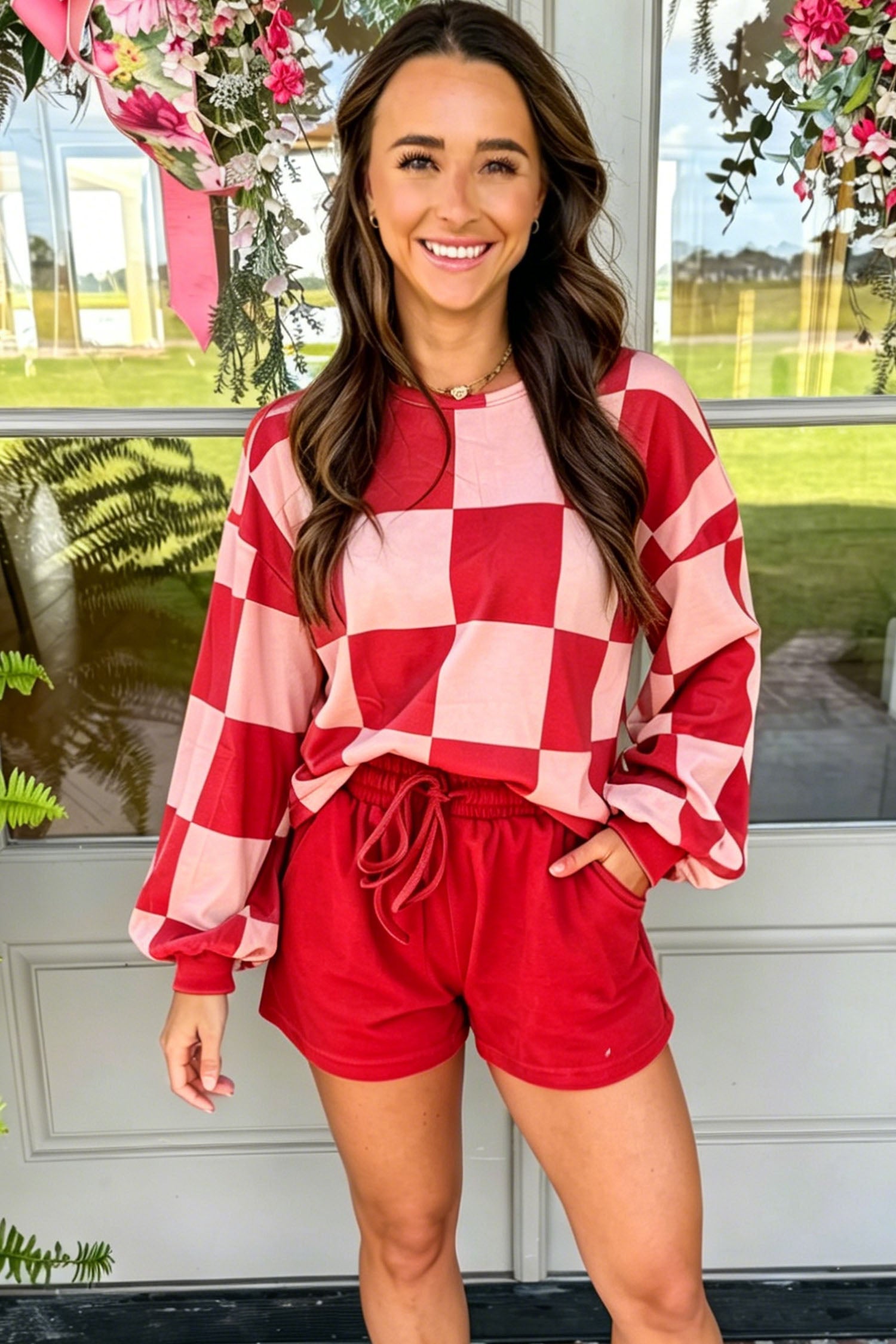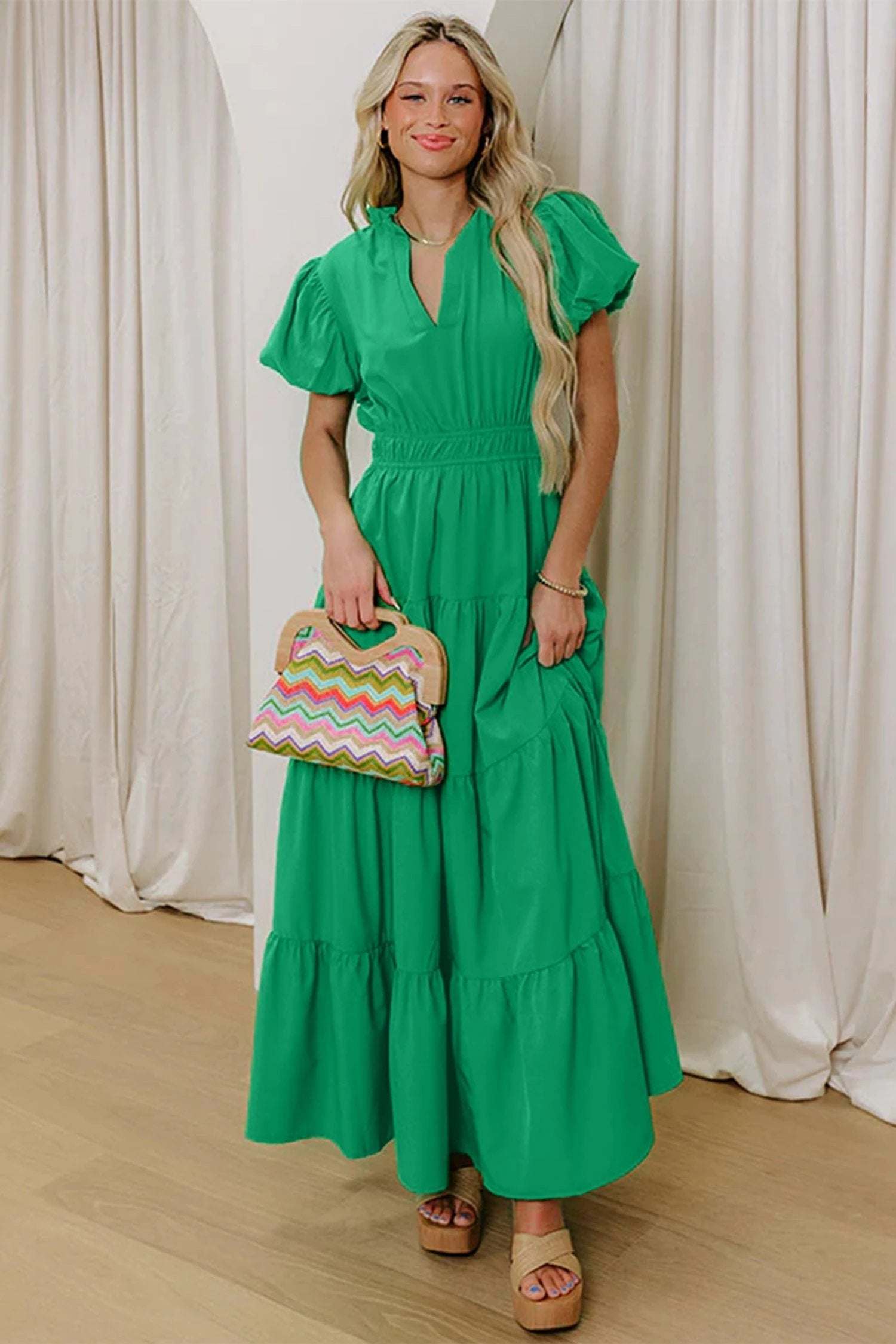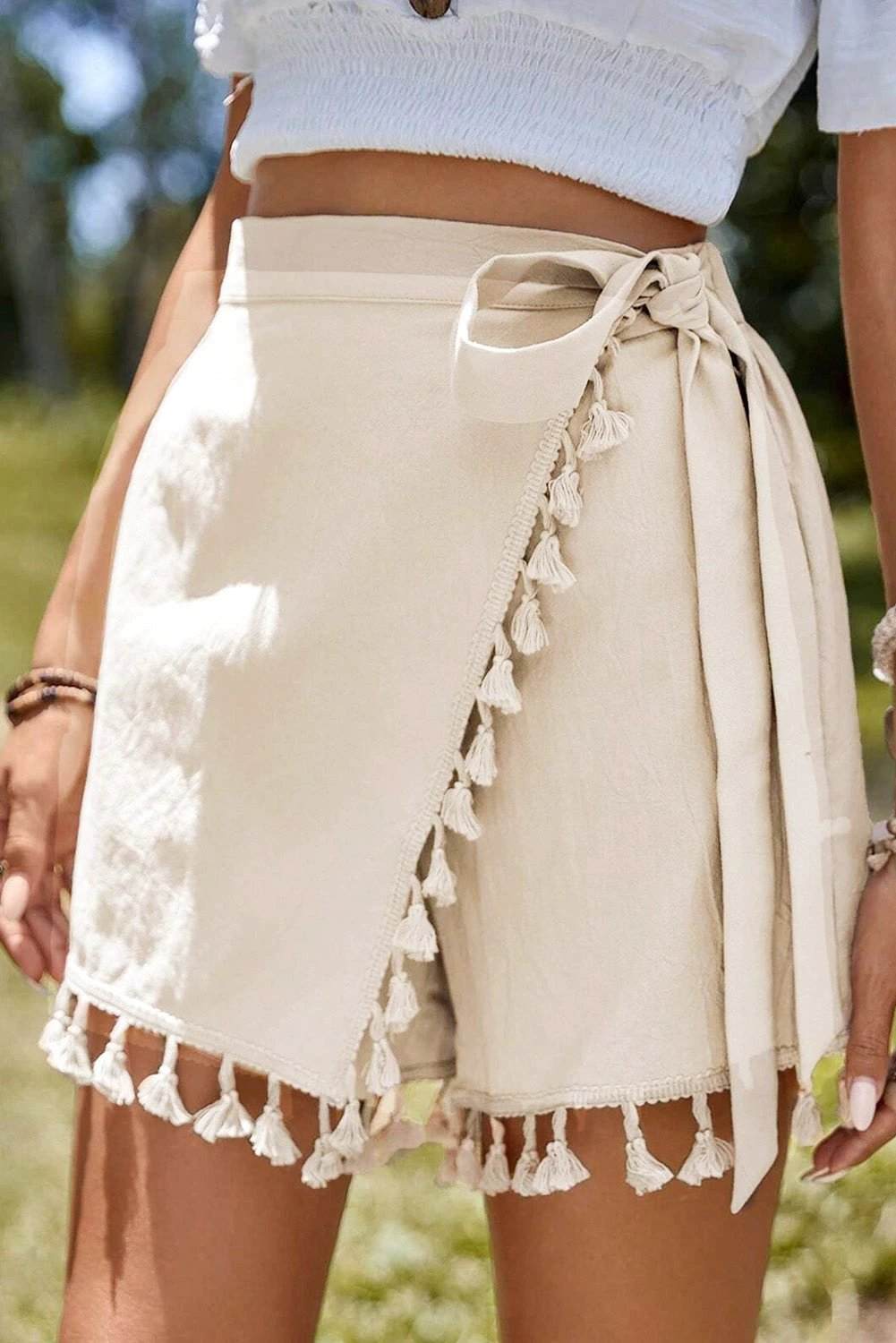


A dress can look exactly right in a photo and still leave you wondering one thing: where will it actually hit on me? That is the question this women's dress length guide is here to answer. When you are ordering between school pickup, work emails, and everything else on your list, knowing the difference between a 35-inch and 48-inch dress saves time, returns, and second-guessing.
Dress length is not about following a rule or dressing for someone else’s idea of what works. It is about choosing a hemline that feels comfortable for your usual day, works with the shoes you wear most, and does not create one more thing to think about when you get dressed.
Start With the Measurement, Not the Name
Terms like mini, midi, and maxi are useful shortcuts, but they are not exact. A 42-inch midi dress may fall below one person’s knee and at mid-calf on another. Height, torso length, and where a dress begins at the shoulder all change the final result.
When shopping online, look for the garment length in the product details. This measurement is usually taken from the high point of the shoulder down to the hem. Compare it with a dress you already own and reach for often. Lay that dress flat, measure from the same shoulder point to the hem, and use it as your real-life reference point.
If a dress has adjustable straps, a smocked bodice, a dropped waist, or a longer torso, expect the hem to sit a little differently. The product measurement is still the best starting point, but the shape of the dress matters too.
Women's Dress Length Guide: Where Each Hemline Falls
The names below describe the usual placement, not a pass-or-fail standard. Think of them as a quick way to picture how a dress may fit into your day.
| Dress length | Typical hem placement | Everyday wear notes |
| --- | --- | --- |
| Mini | Mid-thigh to above the knee | Easy with sneakers or sandals, but may feel less practical for lots of bending, sitting on the floor, or chasing kids. |
| Above-knee | A few inches above the knee | A comfortable casual option that works well with flats, sneakers, and lightweight layers. |
| Knee-length | At or around the knee | A dependable choice for work, appointments, errands, and days when you want more coverage without extra fabric. |
| Midi | Below the knee to mid-calf | Versatile for work and weekends. Shoe choice matters more here because the hem sits near the widest part of the calf. |
| Maxi | Near the ankle or top of the foot | Great for warm weather and easy outfits, as long as the hem clears the ground with your usual shoes. |
Mini and Above-the-Knee Dresses
Shorter dresses can be simple, cool, and easy to throw on with sneakers. They are often a good choice for hot days or when you prefer less fabric around your legs. The trade-off is practical: if your day includes getting in and out of the car, kneeling beside a toddler, or reaching for something on a low shelf, you may want shorts underneath or a little more length.
An above-the-knee hem gives you a similar casual feel with slightly more coverage. If you tend to wear bike shorts under dresses anyway, this length can be especially useful. A relaxed T-shirt dress, a swing dress, or a shirt dress often works well here because it does not need fussy styling to feel ready for the day.
Knee-Length Dresses
Knee-length is one of the easiest dress lengths to wear across a full week. It is long enough for a work meeting or classroom pickup line, but it still feels light and uncomplicated for errands. Add a denim jacket or cardigan when the air conditioning is doing too much, then take it off when you are back outside.
Pay attention to whether the dress is fitted, straight, or flared. A knee-length bodycon-style dress and a knee-length relaxed dress can feel completely different in motion. If comfort is high on your list, look for stretch, a forgiving skirt shape, or a waist that is not restrictive when you sit down.
Midi Dresses
Midi dresses usually land somewhere between the bottom of the knee and mid-calf. They are a favorite for women who want coverage without the full length of a maxi, and they can work from a casual office morning to grocery shopping without an outfit change.
The main thing to consider is the hem placement. A midi that ends at the narrowest part of your lower leg often feels especially balanced, while one that lands at the fullest part of the calf may feel different depending on your preferred look and shoes. Neither is wrong. If you are unsure, try the dress with the footwear you actually wear: sneakers, flat sandals, slides, ankle boots, or low block heels.
A midi with a side slit, button front, or flowy skirt can also make walking, climbing stairs, and getting in the car more comfortable. That detail is not just decorative when you have places to be.
Maxi Dresses
A maxi dress is usually the closest thing to a full outfit in one step. It gives you coverage on warm days, works well for pool or beach layers, and can be paired with a simple sandal for errands. But length matters more with a maxi than almost any other dress.
The hem should not drag on the ground when you are wearing the shoes you plan to wear with it. A little room above the floor helps keep the fabric cleaner and makes stairs, parking lots, and carrying bags less annoying. If you are petite, a maxi may sit lower than shown on the model. If you are taller, an ankle-length style may read more like a midi. Check the listed measurement before you decide.
How to Find Your Best Dress Length at Home
You do not need a perfect set of body measurements to shop smarter. Start with two or three dresses you already like wearing. Note their lengths, how they feel while sitting and walking, and what shoes make them work.
Then use that information to set your own range. Maybe you know you like casual dresses between 36 and 39 inches, work-friendly styles around the knee, and maxis that measure at least 52 inches. Those numbers are more useful than trying to make a category label fit everyone.
For a quick check, use a soft measuring tape from the top of your shoulder down to the spot where you want the hem to fall. Stand naturally and wear the kind of bra or underlayer you would usually pair with the dress. If you do not have a soft tape, use a piece of string, mark the length, and measure it with a ruler.
Choose Length for the Day You Actually Have
The most wearable length depends on what your day asks of you. A shorter casual dress may be perfect for a hot afternoon and sneakers. A knee-length or midi style can make more sense for work, school events, or a day when you would rather not think about bending and coverage. A maxi is easy when you want one piece that feels finished, but it needs the right hem clearance.
Fabric changes the experience too. A soft knit midi may move easily and feel relaxed, while a crisp woven midi can hold more shape. A lightweight maxi is useful in the heat, but a very full skirt may not be your favorite on a windy day. Product details on stretch, lining, straps, and skirt shape help you picture more than just the length.
A Note on Fit Photos and Model Measurements
Model photos are helpful for seeing the overall shape, color, and movement of a dress, but they are not the final answer for fit. If the model’s height is listed, use it as context. A 44-inch dress will look different on someone who is 5'3" than it will on someone who is 5'9".
When possible, use photos to notice where the shoulder seam sits and whether the waist is defined, elastic, or dropped. Those details affect where the hem starts and ends. Then let the garment measurement guide your decision.
At J&H Apparel, clear measurements are there to make the choice easier, whether you shop standard or plus sizes. You should not have to guess which dress will work once it arrives.
The right dress length is the one that lets you move through your regular day without tugging at the hem, changing shoes you do not want to wear, or saving it for a version of life that is not happening this week. Start with the measurements, trust what you already know you like, and choose the dress that makes Tuesday morning one decision lighter.