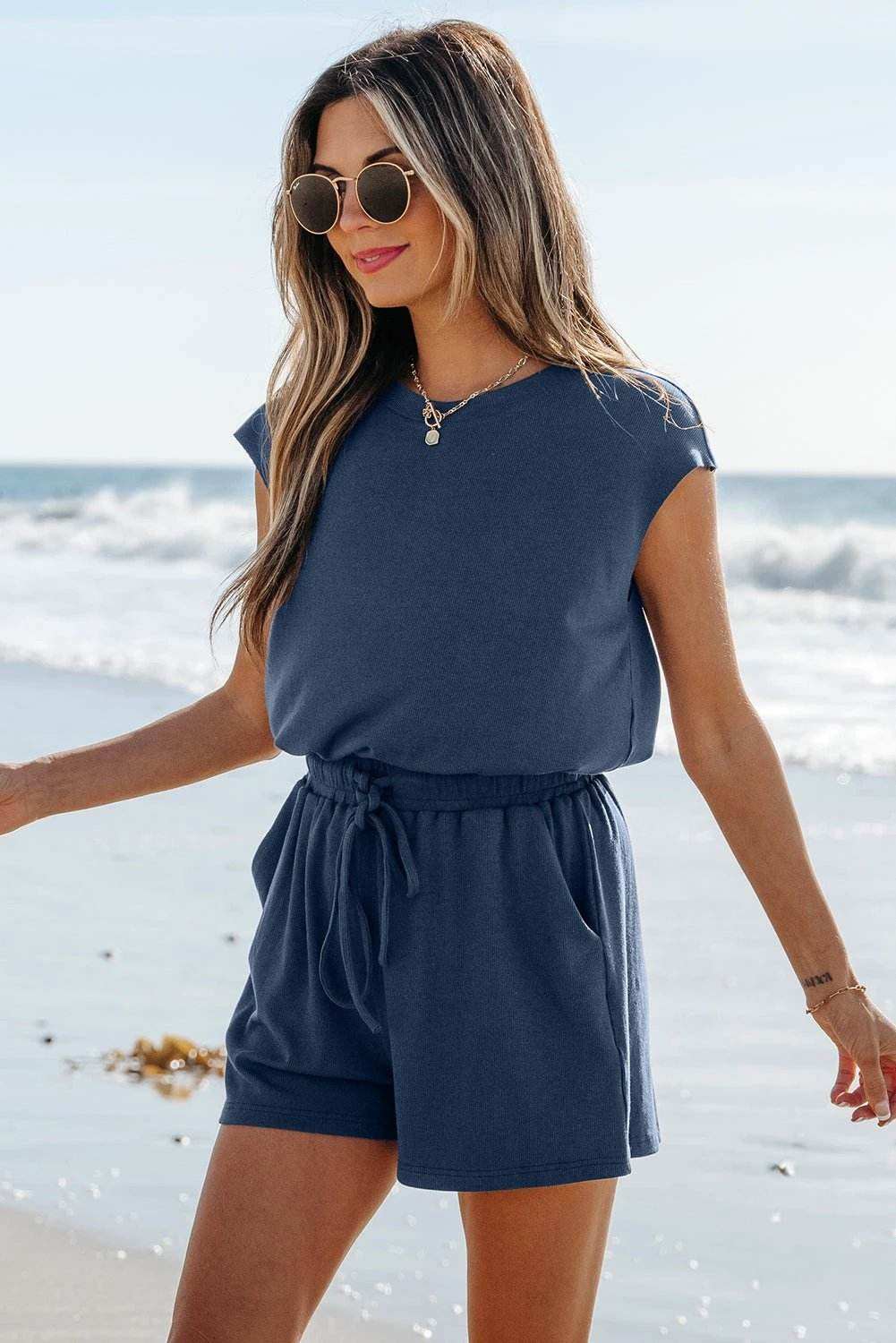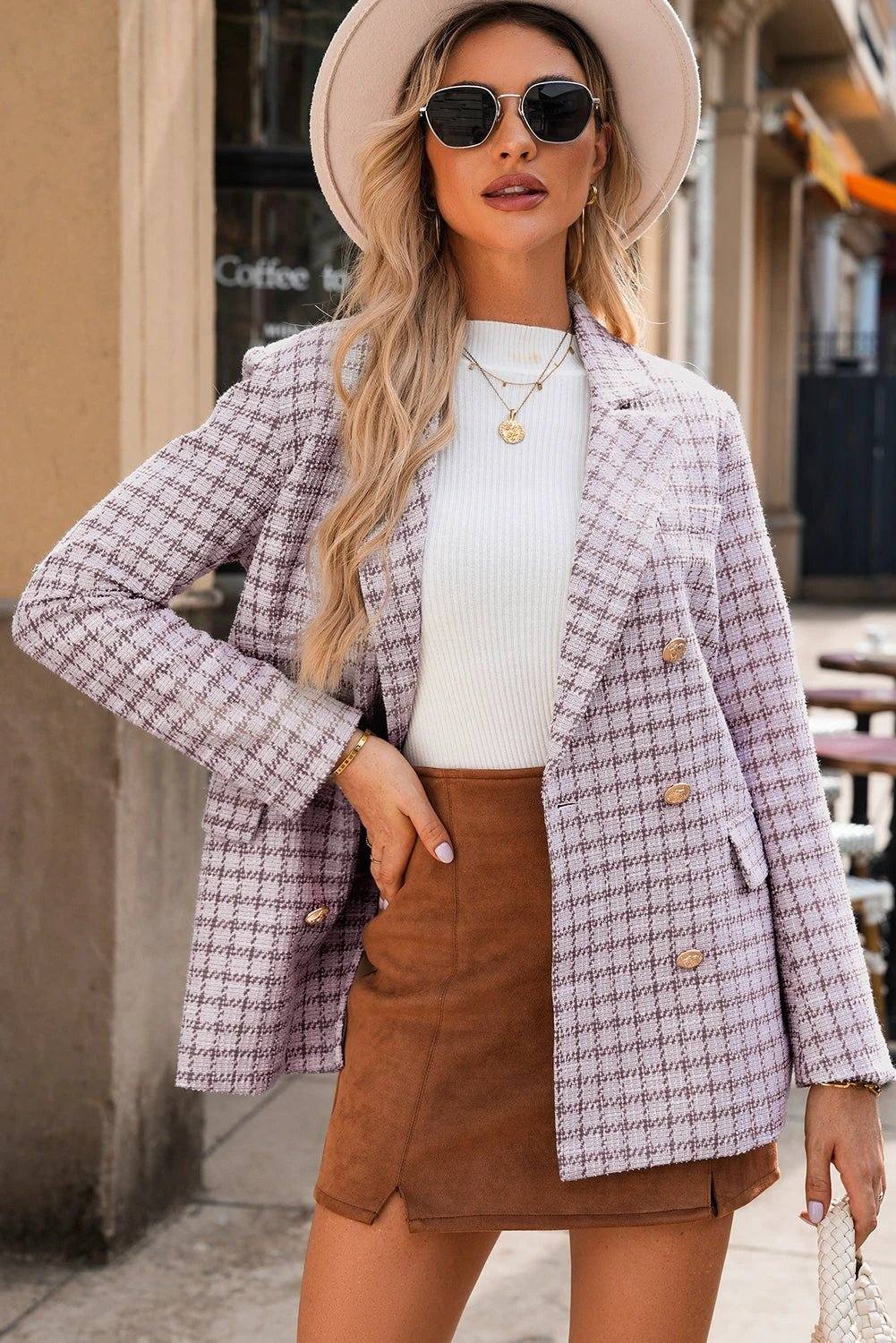

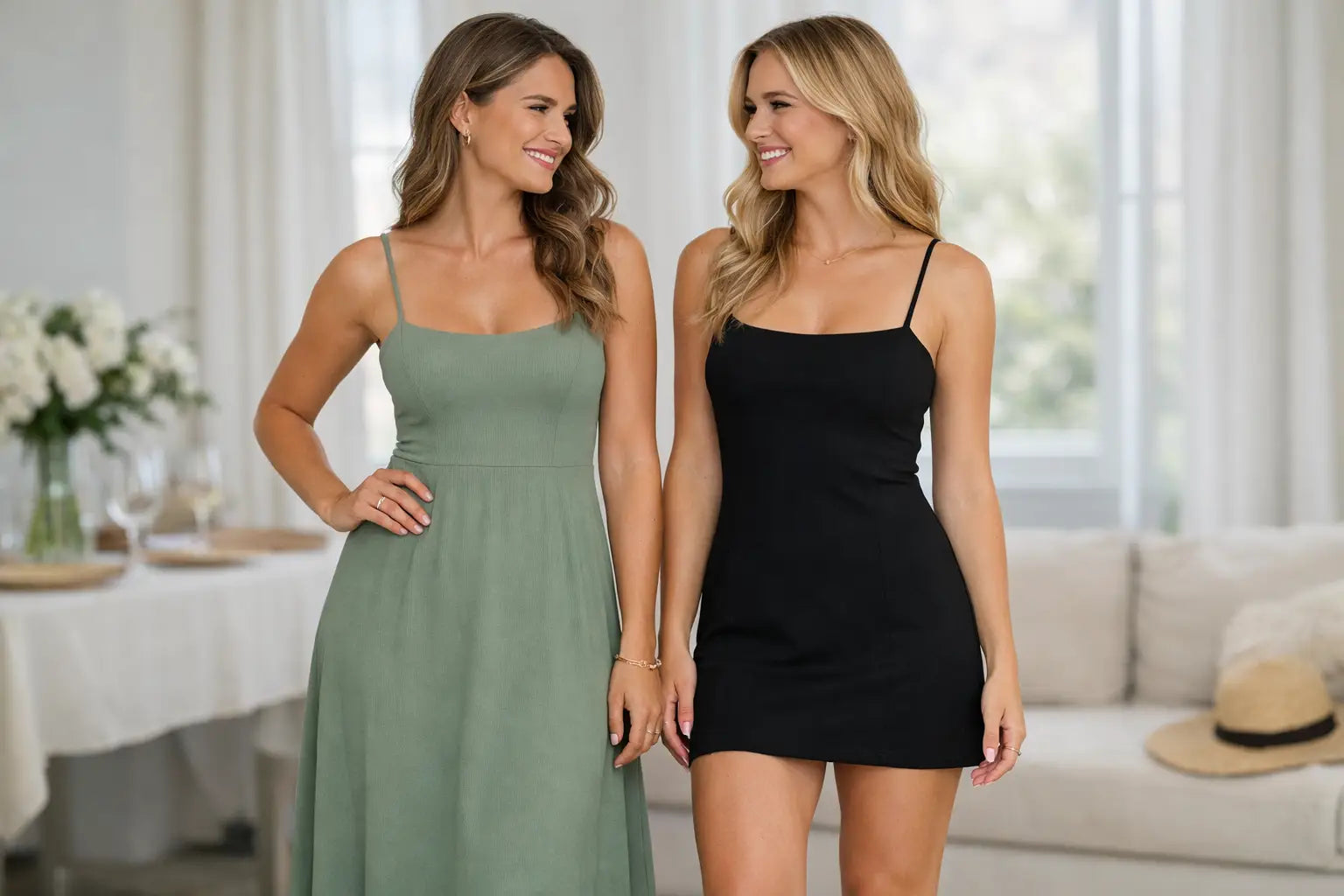
The difference between midi dresses vs mini dresses can change more than your outfit. It changes how you move through a packed day, what shoes feel right, whether you reach for a layer, and how quickly you feel put together before heading out the door. Both lengths deserve a place in a versatile wardrobe. The best choice comes down to your plans, your comfort level, and the kind of confidence you want to bring with you.
A mini dress can feel fun, fresh, and ready for a sunny afternoon. A midi dress often brings a little more coverage and polish without asking you to sacrifice personality. Instead of treating one as better than the other, think of them as two easy options for different moments.
Midi Dresses vs Mini Dresses: The Main Difference
A mini dress typically ends above the knee, while a midi dress falls below the knee and above the ankle. That sounds simple, but the extra length changes the overall feel of an outfit.
Mini dresses have an energetic, easygoing look. They show more leg, pair naturally with sneakers, sandals, boots, and flats, and can make a simple outfit feel instantly playful. They are especially handy for warm weather, casual brunches, vacations, concerts, and weekend plans where you want to feel cute without overthinking it.
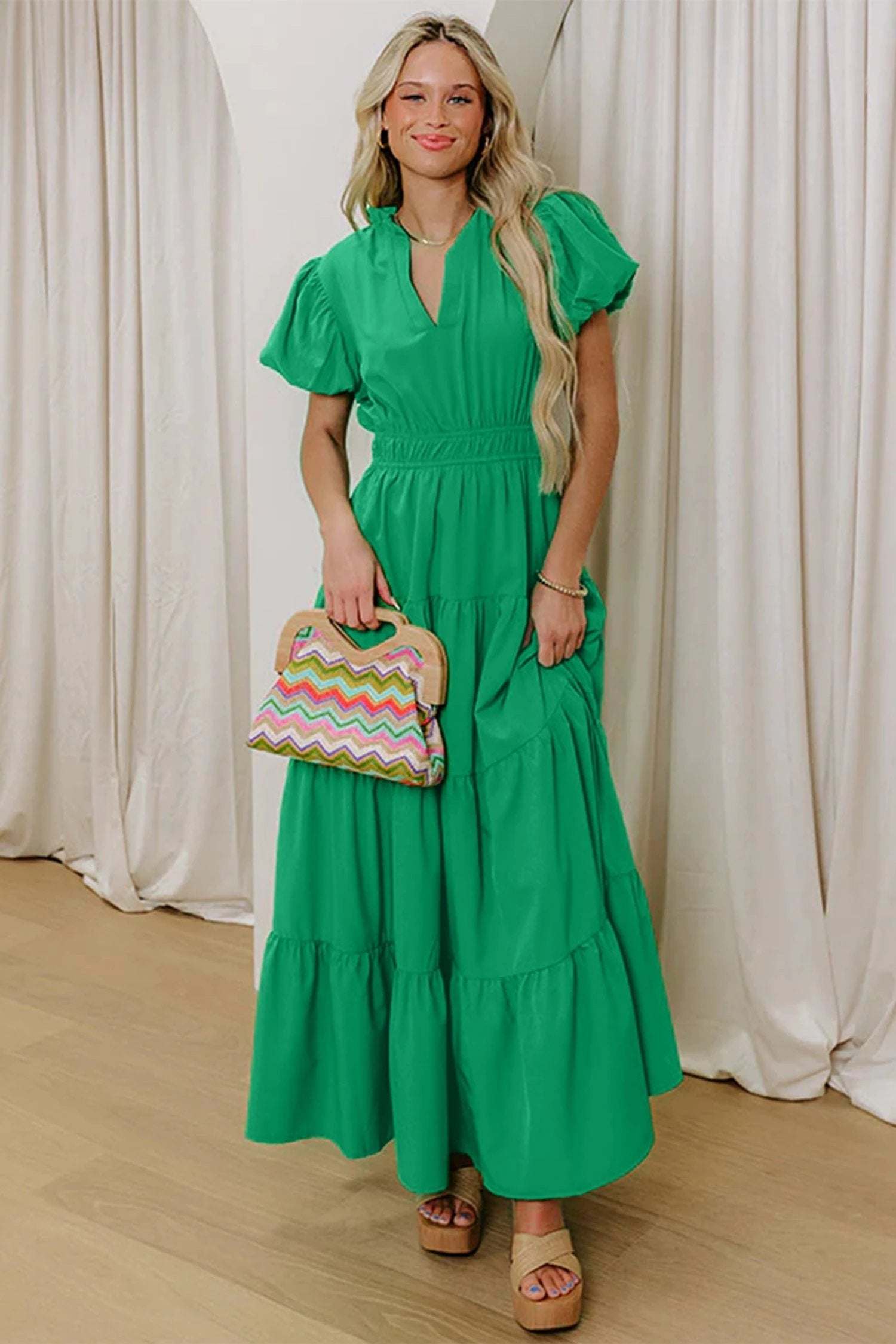
Midi dresses offer a little more built-in versatility. They can look relaxed with flat sandals or sneakers, then shift toward polished with a heeled boot, loafer, or low heel. The length often makes a midi dress an easy choice for work, family gatherings, dinner reservations, travel days, and occasions when you want coverage that still feels feminine and current.
Neither length has to fit a single rule. A casual cotton midi can be as relaxed as your favorite tee, while a structured mini with long sleeves can look surprisingly polished. Fabric, neckline, sleeves, and styling all matter just as much as the hemline.
When a Mini Dress Makes the Most Sense
A mini dress is a natural choice when you want an outfit that feels light, effortless, and ready for movement. It is the kind of piece that works beautifully when the day includes sunshine, a patio lunch, a quick coffee run, or a weekend outing with friends.
For an everyday look, choose a mini dress in a comfortable fabric with details that make styling simple, such as a relaxed fit, a defined waist, pockets, or an easy button-front shape. Add clean sneakers and a denim jacket for errands, or switch to sandals and simple jewelry for brunch. The dress does most of the work, which is exactly what busy mornings need.
Mini dresses can also work for date night or a special plan without feeling overly dressed up. A wrap-inspired shape, subtle texture, or a pretty floral print creates a pulled-together look with minimal effort. If evenings cool down, add a lightweight cardigan, a cropped jacket, or tall boots.
The main trade-off is coverage. If you know you will be sitting on the ground at an outdoor event, walking long distances in wind, commuting, or moving through a very active day, a mini may require a little more planning. That does not make it less practical. It simply means choosing the right setting, fit, and layer for your comfort.
Why Midi Dresses Earn Their Everyday Reputation
Midi dresses are often the reliable choice when your schedule has more than one stop. They offer enough coverage to feel comfortable at the office, in a restaurant, or while traveling, yet they still feel soft and stylish rather than formal.
A simple knit midi can take you from a morning meeting to dinner with a change of shoes. A flowy printed midi works for a baby shower, vacation dinner, or casual celebration. A shirt-style midi paired with a belt and ankle boots creates a polished outfit that is easy to wear all day.
This length also makes layering feel especially natural. Add a denim jacket for a casual finish, a lightweight blazer for work, or a cardigan for cooler mornings. Because the dress already creates a complete vertical line, you can keep accessories simple and still look finished.
Midi dresses do come with a few styling details to consider. The hem should land in a spot that feels comfortable when you walk, sit, and take stairs. Shoes matter, too. Flat sandals create an easy, relaxed look, while ankle boots, mules, or a small heel can give the outfit more shape. If a midi feels a little too loose or long for your preference, a waist-defining detail or shorter jacket can bring balance back to the outfit.
Choose by Occasion, Not by Rules
The easiest way to decide between midi and mini is to start with your day. If you are dressing for a casual lunch, vacation sightseeing, a summer party, or a spontaneous weekend plan, a mini dress may be the fast, fun answer. It feels easy to style and brings a little extra energy to the occasion.
If you are heading to work, a family event, a dinner where you want to feel polished, or a day that involves lots of sitting, walking, and moving between places, a midi may feel like the better fit. It gives you flexibility without making your outfit feel overly serious.
Weather can make the decision for you, too. On a hot day, a breezy mini or a sleeveless midi can both work beautifully. When temperatures are mixed, a midi with sleeves or a mini styled with boots and a jacket gives you more options. For travel, wrinkle-friendly fabrics and comfortable fits matter more than the exact length. Choose the dress that lets you sit comfortably, layer easily, and feel great in photos without constant adjusting.
Fit Details That Make Either Length Feel Better
The right dress should support your day, not distract from it. Before choosing a length, pay attention to the fit through the shoulders, bust, waist, and hips. A dress can be mini or midi and still feel easy, flattering, and comfortable when those areas fit the way you prefer.
For mini dresses, consider how the hem feels when you sit down, reach up, and walk. A relaxed A-line silhouette, a tiered skirt, or built-in shorts lining can offer extra peace of mind if that is something you enjoy wearing. Long sleeves or a higher neckline can also balance a shorter hem while keeping the look modern and wearable.
For midi dresses, look at where the hem lands and how the skirt moves. A side slit can make walking easier and add a relaxed touch, while a defined waist can keep a flowy style from feeling oversized. If you prefer a closer fit, ribbed knits and wrap-style silhouettes can offer shape without feeling restrictive.
Most importantly, skip the idea that certain lengths are reserved for certain people. Personal style is not a rulebook. The best hemline is the one that makes you feel comfortable enough to focus on your plans instead of your outfit.
Easy Styling Ideas for Both Lengths
A mini dress becomes an everyday favorite when you keep the rest of the outfit uncomplicated. Pair a casual printed mini with white sneakers and a denim jacket, or wear a solid-color mini with tall boots and a crossbody bag for a more finished weekend look. A simple belt can add definition when you want it, but it is never required.
A midi dress is equally flexible. Try a sleeveless midi with flat sandals for warm-weather plans, then add a cardigan for air-conditioned spaces. For a work-ready outfit, choose a midi in a clean print or solid color and pair it with a lightweight blazer, simple tote, and loafers. For dinner, swap in heeled boots or strappy sandals and add a small statement earring.
When you are building a wardrobe, having both lengths gives you more outfit options without needing a closet full of complicated pieces. One casual mini and one polished midi can cover a surprising number of plans, especially when you can style them with the shoes and layers you already love.
Your calendar will always have a mix of casual moments, polished plans, and everything in between. Keep the dress that feels like you, whether that is a breezy mini for a fun Saturday or a versatile midi ready for wherever the day takes you. At J&H Apparel, getting dressed should feel simple, comfortable, and confidently your own.