
The suitcase is open, the laundry is half-folded, and somehow every shirt you own feels like the wrong choice. Learning how to pack versatile outfits is less about bringing a tiny capsule wardrobe that looks good in a photo and more about making sure you have comfortable clothes for the actual trip: travel days, coffee runs, pool time, dinners with the family, and whatever your kids spill on before lunch.
A good packing plan gives you options without making you sort through a pile of clothes you never wear. The goal is simple: bring pieces you can repeat in different ways, feel comfortable in for hours, and grab without spending part of your trip figuring out what goes together.
How to Pack Versatile Outfits for a Real Trip
Start with the plans on your calendar, not a vague idea of who you might be on vacation. Are you driving for hours? Walking around a new town? Sitting by a pool while keeping track of towels and snacks? Visiting relatives where the air conditioning is freezing? Your answers tell you more than a destination label ever will.
Write down the parts of the trip that actually need clothes. A four-day beach trip may need one swimsuit, a cover-up, two casual daytime outfits, one pair of shorts, one lightweight layer, and an easy dress or matching set. A work trip may call for more polished tops and pants, but you still need something soft for the flight and a layer for cold meeting rooms.
This is where overpacking usually starts: packing for imaginary situations. You probably do not need separate outfits for every hour of every day. You need a small group of pieces that can handle more than one plan.
Pick a color base you already wear
Choose two or three neutral colors you reach for at home. Black, denim, navy, cream, olive, gray, and tan are all useful options, but the best choices are the ones already in your closet. If black pants make you feel overheated in summer or cream never survives a car ride with kids, skip them. Versatility only counts if you will actually wear it.
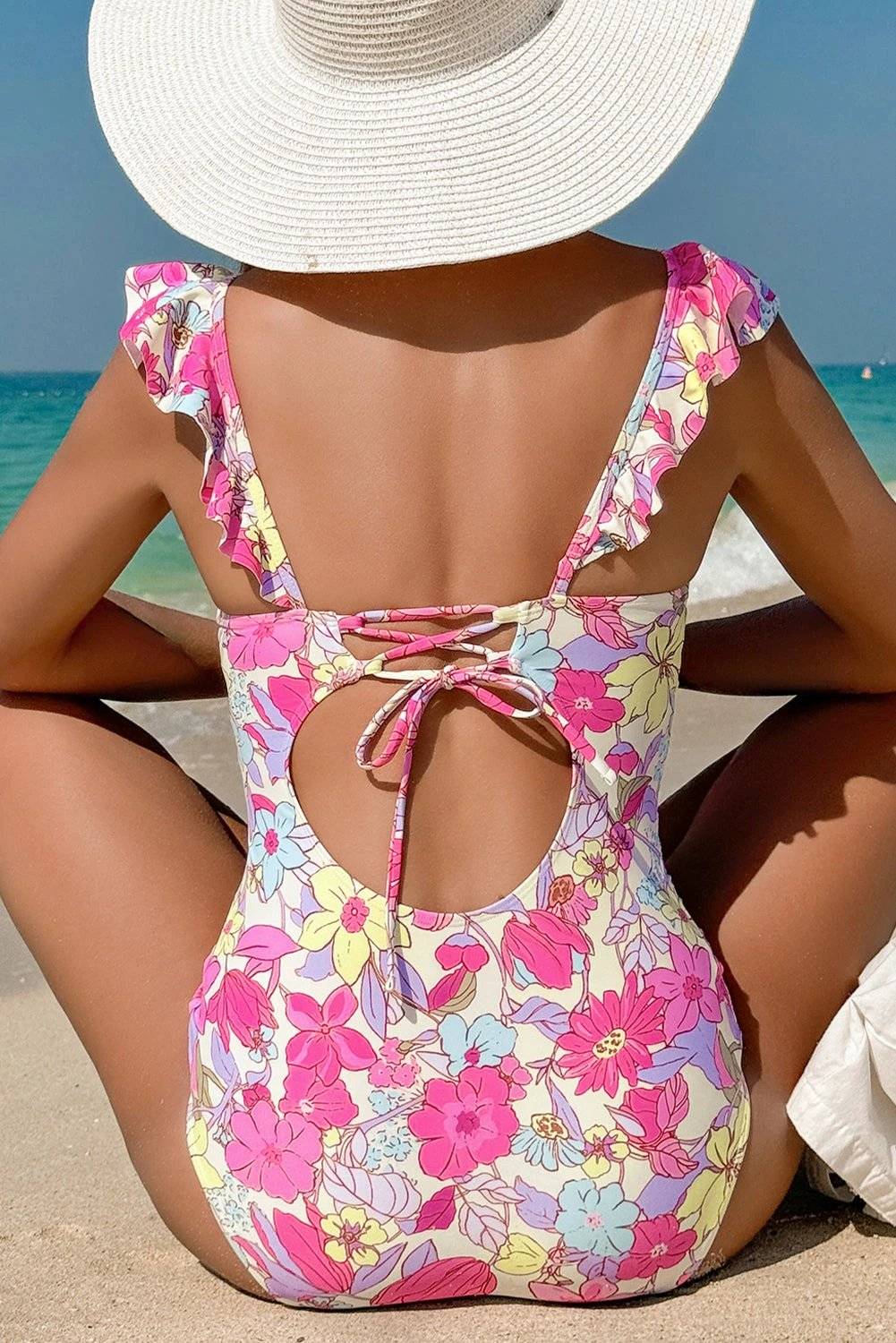
Then add one or two colors or prints that work with those neutrals. Maybe that is a striped tee with denim and black, a floral top that works with shorts and jeans, or a bright swimsuit under a solid cover-up. You do not have to pack only neutrals. You just want fewer pieces that need one very specific match.
A quick test helps: before an item goes into the suitcase, name two other things it can be worn with. If you cannot, it may still be worth bringing, but it should earn its space for a specific reason.
Build around bottoms that can do more than one job
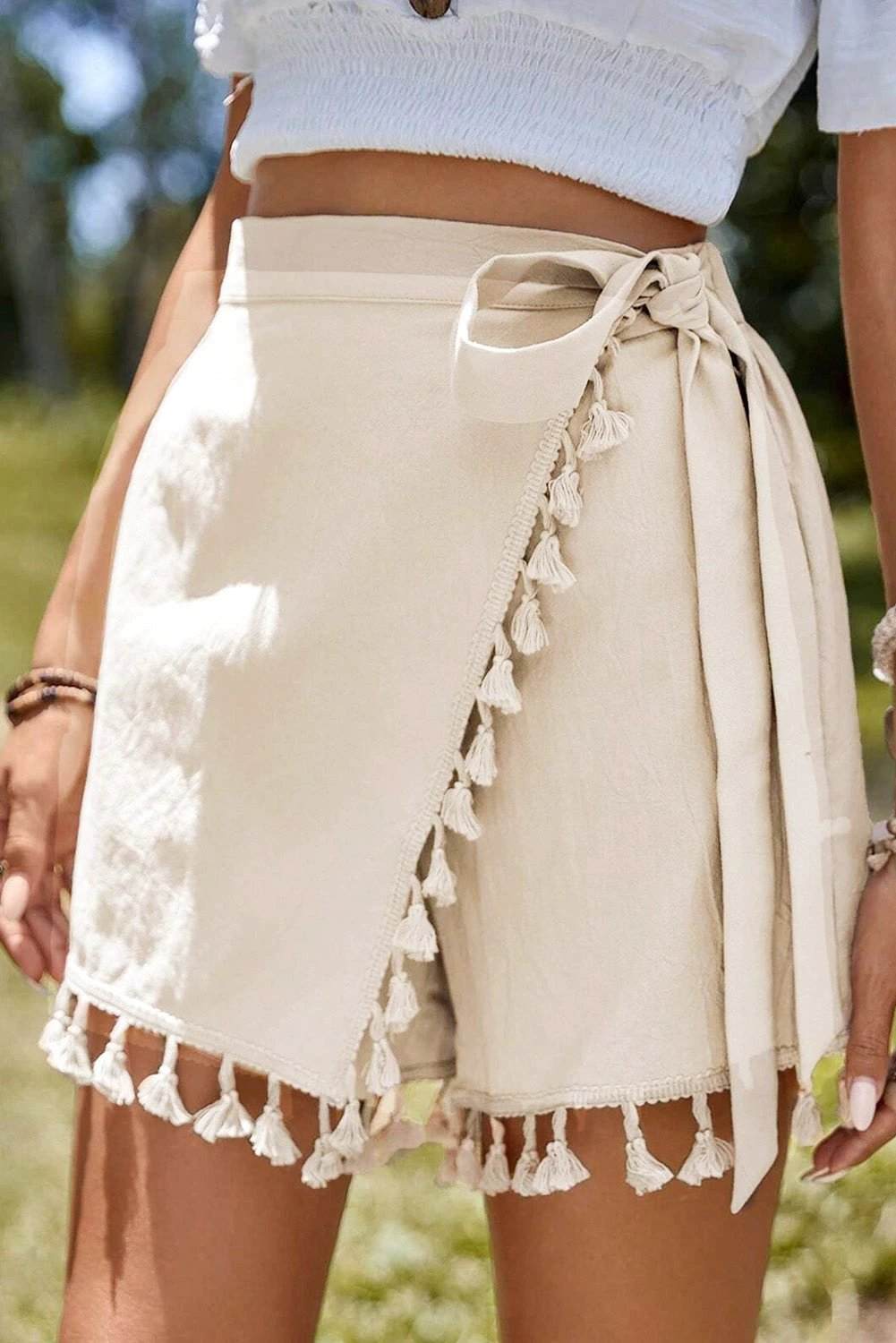
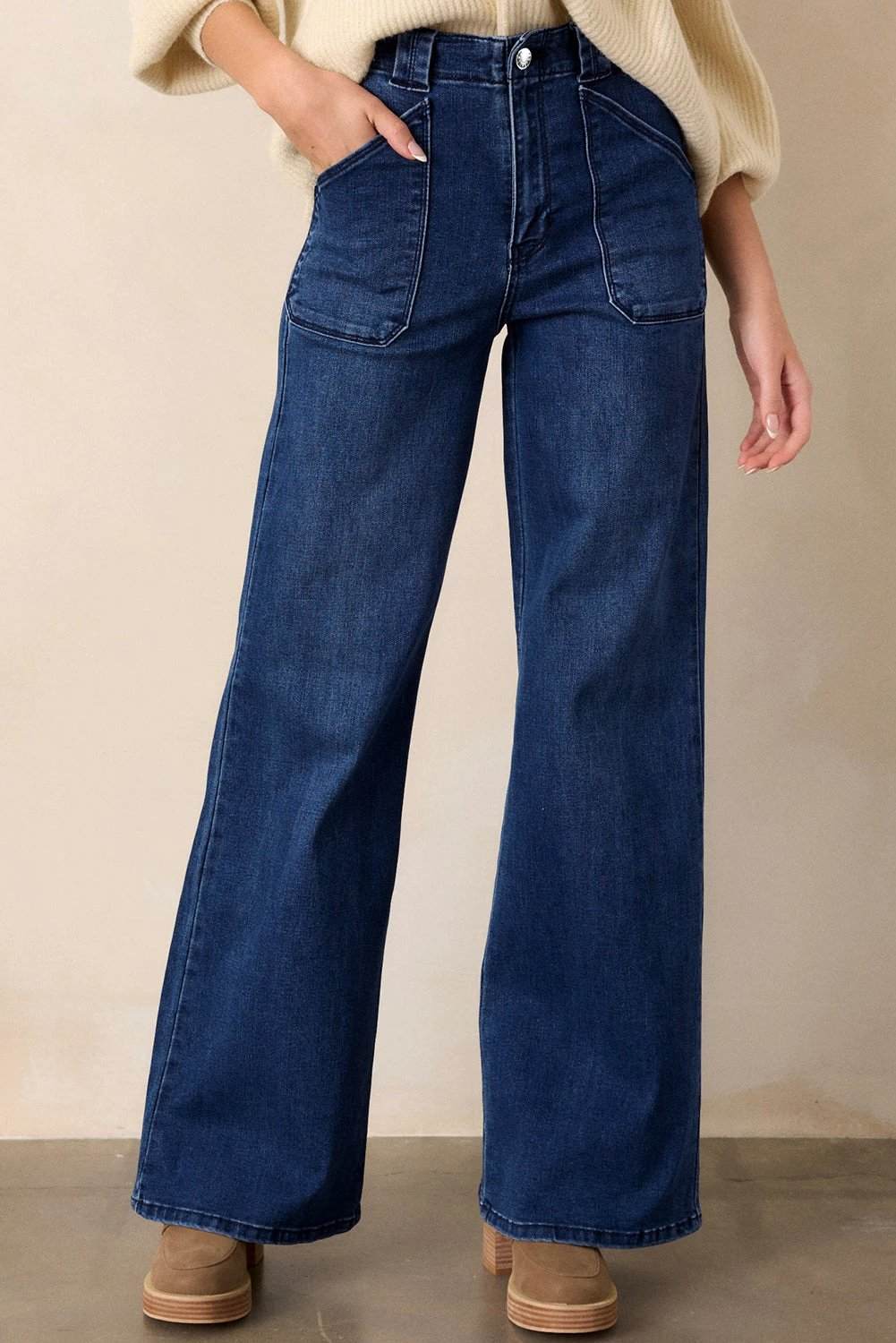
Bottoms take up room, so start there. For most casual trips, two or three bottoms are enough: one pair of jeans or comfortable pants, one pair of shorts or a skirt, and maybe a softer option like pull-on pants or leggings for travel and downtime.
The right choice depends on weather and plans. Jeans are reliable for a cooler destination, but they are not always the best travel-day choice if you will be in the car for eight hours. A pair of relaxed pull-on pants can work for the drive, a casual lunch, and an evening walk with a simple top and cardigan. That is the kind of repeat wear that makes packing easier.
Choose tops that each work with at least two of your bottoms. A relaxed solid tee, a tank, a lightweight blouse, and a simple long-sleeve top can cover a lot of ground when they share the same color family. You do not need every top to look completely different. Familiar combinations are often the ones you will want to put on when the day starts early.
Use Outfit Formulas, Not One-Time Looks
Packing individual outfits sounds organized, but it can leave you with a suitcase full of pieces that only work one way. Instead, pack a few outfit formulas you know you like. Think of them as your reliable starting points.
For example, a tee with shorts and sneakers works for a morning out. Switch to a printed top with the same shorts, and you have another daytime option. Put a lightweight cardigan over either one when a restaurant is cold. Wear the tee with jeans or relaxed pants later in the trip. The pieces are doing the work, not the number of outfits.
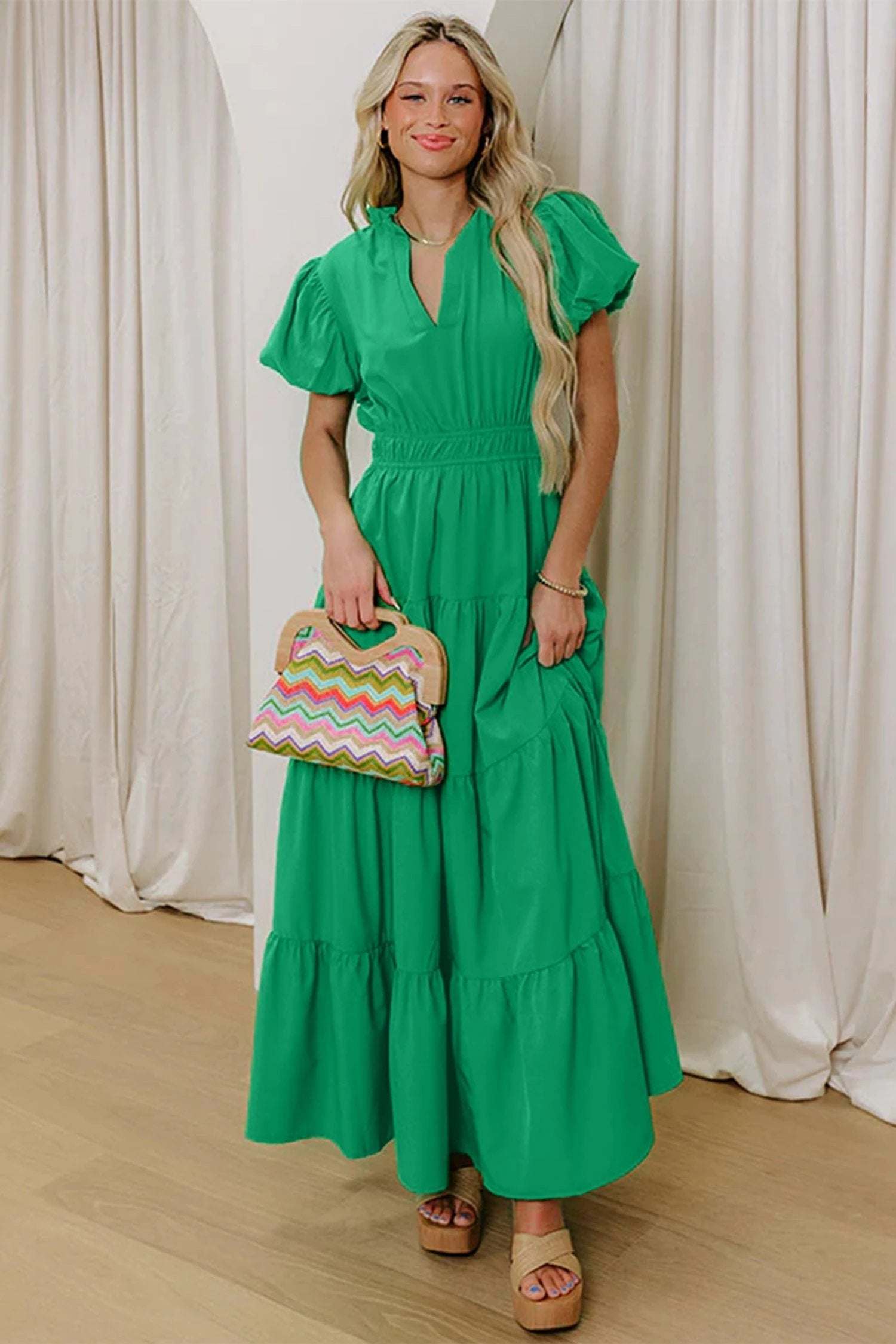
An easy dress or romper can be helpful here, especially when you want to get dressed quickly. It is one piece, which means less matching and less suitcase space. Just be honest about how it fits into your day. If you will be sitting on the floor with little ones, walking long distances, or dealing with unpredictable weather, pick a style that lets you move and layer comfortably.
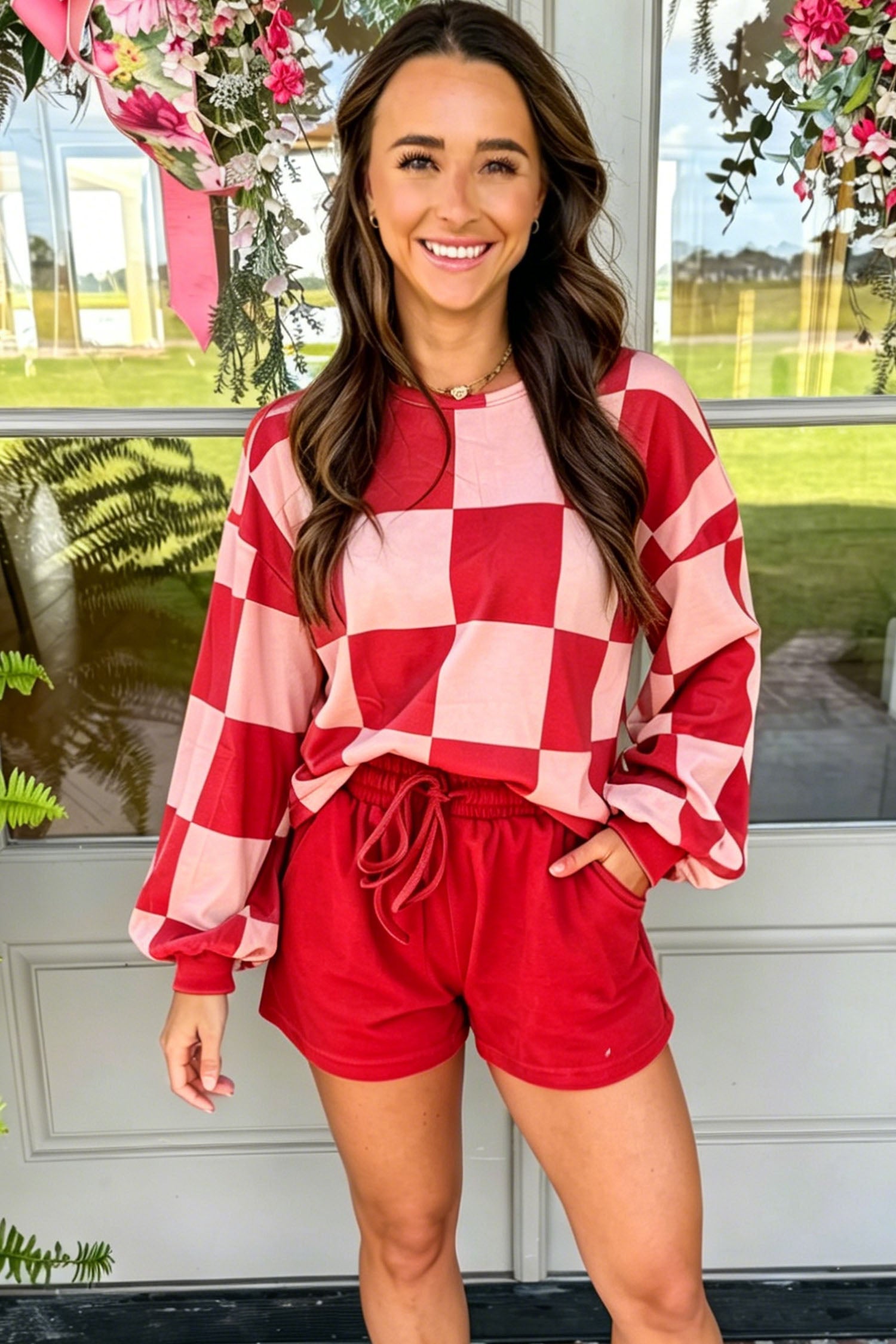
Matching sets are another practical option. Wear the pieces together when you want a complete look with no extra thought. Then wear the top with jeans or shorts, or pair the bottoms with a tee. One set can give you three outfits without adding much bulk.
Bring layers that solve a real problem
A layer should not come along just because it looks nice over one outfit. It should be useful on the plane, in a chilly restaurant, during an early morning walk, or after the sun goes down. A denim jacket, lightweight cardigan, soft button-up, or casual shacket can all work, depending on the season.
Bring one main layer for a short trip and make sure it works over every top you packed. If you need a rain jacket or warmer coat, wear it while traveling whenever possible. Outerwear is bulky, and it is easier to keep one useful layer within reach than to dig through your suitcase when the temperature changes.
Shoes deserve the same practical thinking. Most trips only need two or three pairs: a comfortable sneaker or walking shoe, an easy sandal or slide, and one slightly more polished option if your plans call for it. Shoes can take over a suitcase fast, so skip pairs that only work with one outfit or hurt after 20 minutes.
Pack for Laundry, Spills, and Rewearing
Real travel involves sunscreen, snack crumbs, surprise weather, and at least one moment when someone needs a backup shirt. That does not mean you need to bring your entire closet. It means choosing fabrics and colors that can handle a normal day.
If you are traveling with kids, add one extra top for yourself before you add a fourth pair of shoes. A clean tee after a spill is more useful than an outfit you packed just in case. If you have access to laundry, you can pack even lighter. A quick wash of tees, tanks, or lightweight shorts can stretch a small suitcase through a longer stay.
Rewearing is not a packing failure. Jeans, jackets, cardigans, pajamas, swimsuits, and many bottoms are meant to show up more than once. Tops can repeat too, especially when they are layered differently or worn for a shorter part of the day. The point is to bring clothes that serve you, not to create a different photo-ready outfit every morning.
Make a small outfit plan before you zip the bag
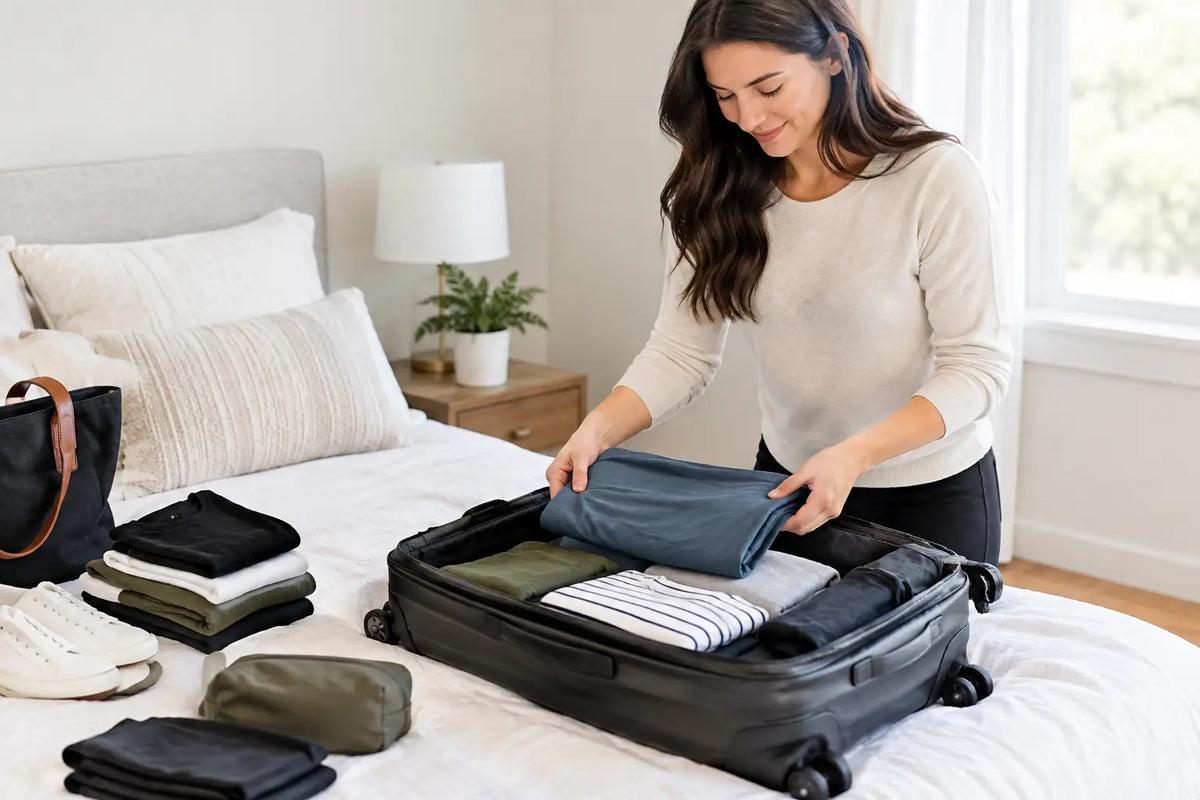
Lay everything out on the bed or floor and make sure the pieces connect. You do not need to photograph every combination or build a complicated chart. Just look at the whole group and check that every bottom has at least two top options, every top works with your layer, and your shoes make sense with most of the clothes.
Try on anything you are unsure about before packing it. A top that rides up, shorts that need constant adjusting, or a dress that only works with one bra will not become easier to wear because you are away from home. Leave it behind. Travel is a good time to rely on clothes you already trust.
Keep your travel outfit separate from the rest of the suitcase. Choose something comfortable enough for sitting, practical enough for bathroom stops or airport lines, and easy to layer. A soft tee or tank, relaxed pants or leggings, a light layer, and comfortable shoes usually cover it. This also gives you one outfit that does not need to be packed at all.
When you know how to pack versatile outfits, your suitcase gets smaller, but the bigger win is having fewer decisions to make once you arrive. Bring the pieces that already work for your regular life, give yourself a little room for the unexpected, and let getting dressed be one less thing asking for your attention.