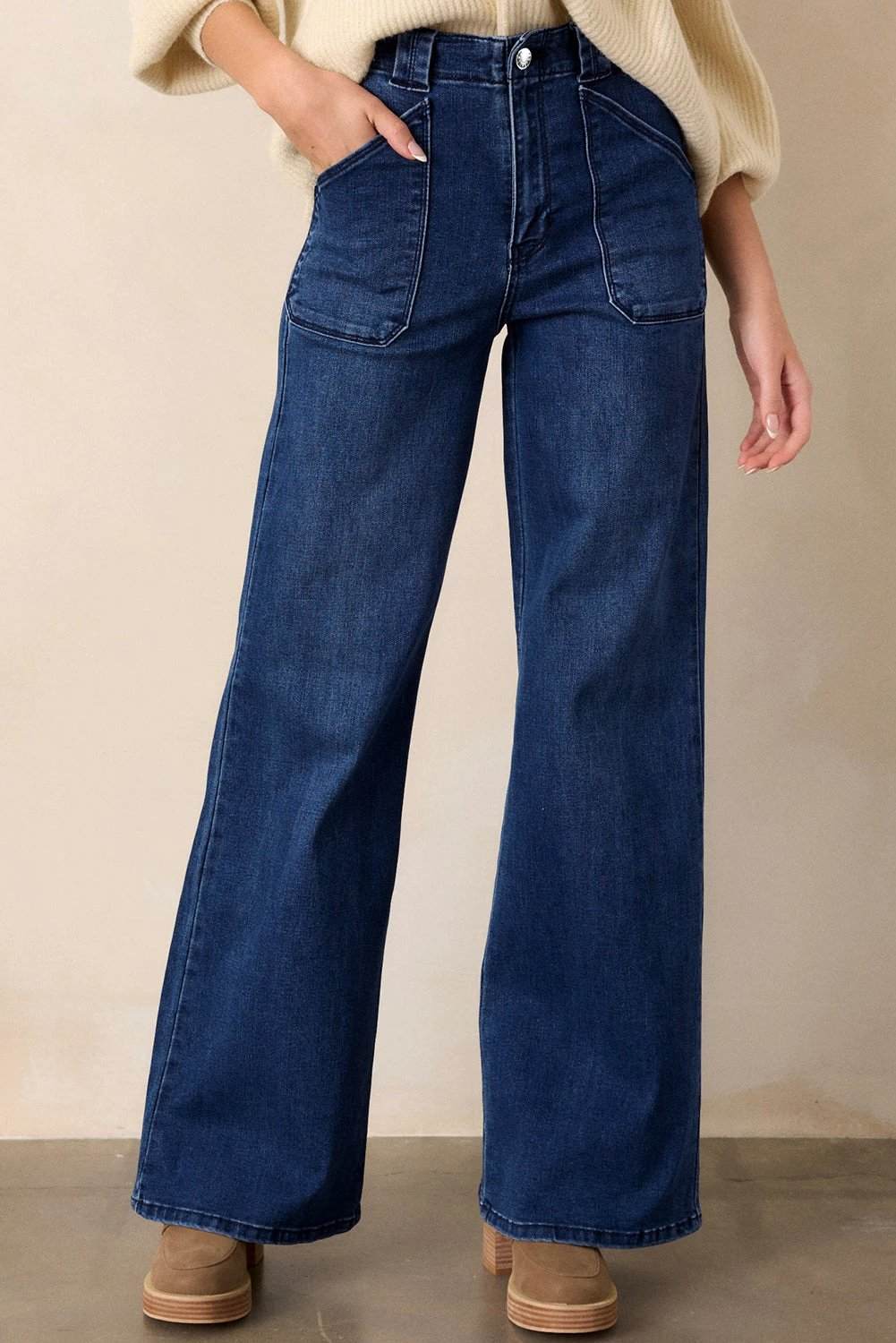

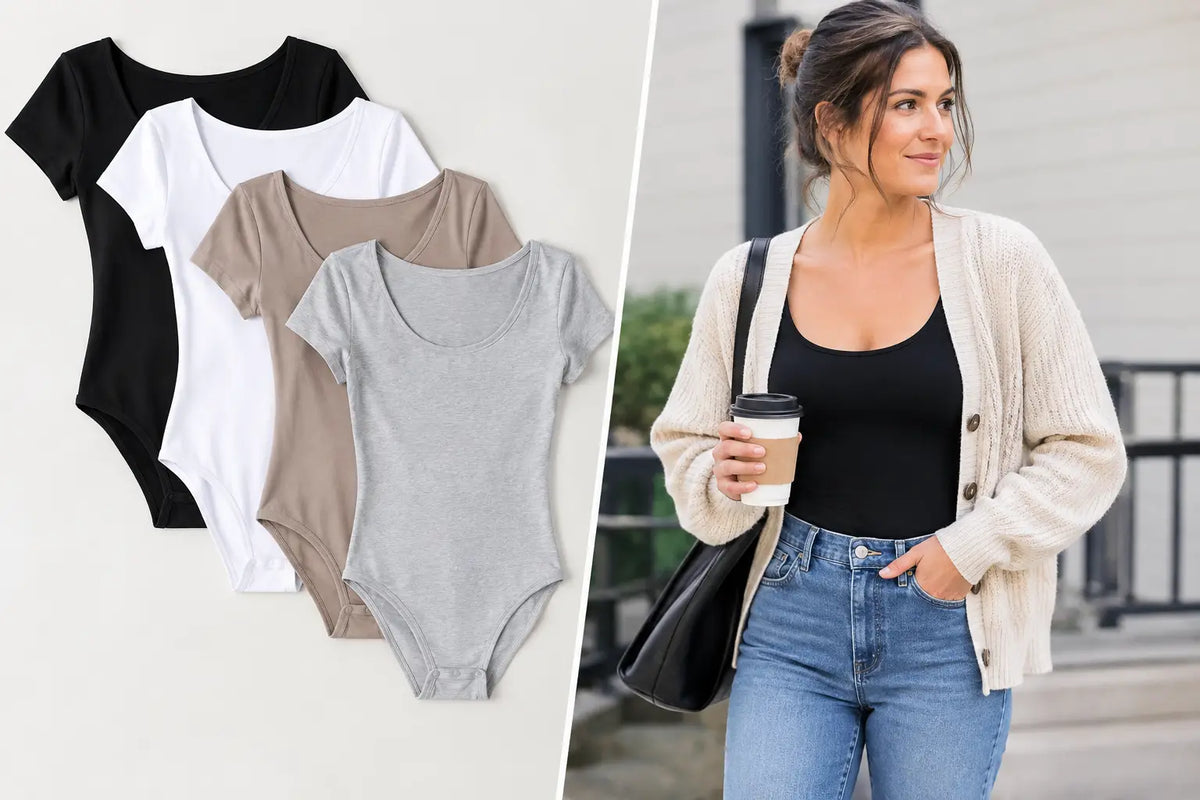
A shirt that stays tucked through a morning of drop-off, a coffee run, and sitting at your desk can remove one small but very real annoyance from getting dressed. So, are bodysuits good for layering? Usually, yes. The right one gives you a smooth starting point under the pieces you already wear, without asking you to keep retucking your top every time you bend down, reach up, or get in and out of the car.
A bodysuit is not a must-have for every closet or every day. But if you like the look of a tucked-in top and want less fabric shifting around your waistband, it can be one of the most useful basics you own.
Are Bodysuits Good for Layering in Real Life?
They can be especially helpful when you are layering pieces with different proportions. Think high-rise jeans with an open cardigan, trousers with a blazer, or leggings with an overshirt or shacket. Because the bodysuit stays in place, your top layer can hang the way it is supposed to instead of bunching over a loose hem.
That makes getting dressed faster, too. Start with a simple bodysuit, add your bottom, then grab a layer based on the weather or where your day is taking you. A cardigan works for a chilly classroom pickup line. A lightweight button-up gives a little coverage for errands. A blazer can make the same base feel work-ready without turning your outfit into a project.
The best part is not that a bodysuit creates some perfectly polished look. It is that it can keep your outfit from needing constant attention. If you have ever pulled down a shirt hem after carrying groceries or noticed a regular tee gathering under your jeans, you already understand the appeal.
Why a Bodysuit Works Under Everyday Layers
A bodysuit creates a close-fitting base, which matters most under pieces that have structure or a defined waist. Under a fitted cardigan or jacket, a regular tee can leave extra folds at the middle. Under high-waisted pants, a loose shirt may add fabric where you would rather have a clean line. A bodysuit keeps the base layer flat so the rest of your outfit can do its job.
This does not mean every bodysuit needs to be tight. Comfortable layering starts with a fit that follows your shape without digging, pulling, or making you feel restricted. Look for soft stretch fabric, a neckline you will actually wear, and enough length through the torso. A good bodysuit should move with you when you are sitting on the floor with the kids, loading the car, or spending the afternoon at your computer.
Fabric makes a difference here. A cotton-blend or ribbed knit bodysuit is often a practical choice for casual days because it feels familiar, like a favorite tee with a more secure hem. A smooth, lightweight fabric can work well under a blazer, vest, or cardigan when you want fewer visible lines. Very thick bodysuits can be cozy in cooler weather, but they may feel bulky under close-fitting layers. Very thin ones can be great for warm days, although a lighter color may need a little more thought underneath.
The Outfit Formulas That Make Sense
You do not need a complicated outfit plan to make a bodysuit useful. A neutral short-sleeve or long-sleeve style gives you a base that works with the bottoms already in your rotation.
For a casual weekday, try a ribbed bodysuit with straight-leg jeans and a soft cardigan. The bodysuit keeps the front tucked in, while the cardigan gives you an easy extra layer for cooler stores, offices, or early mornings.
For work or a day with a little more structure, pair a simple scoop-neck or square-neck bodysuit with trousers and a blazer. The neckline can look clean under the jacket, and there is no shirt hem to keep adjusting at your waistband. If your workplace is more relaxed, swap the blazer for an open button-up.
For a warm afternoon that turns into a cool evening, wear a sleeveless or short-sleeve bodysuit with denim shorts or wide-leg pants and an oversized shirt left open. This combination is easy to add to or take off as the temperature changes, and the bodysuit keeps the outfit grounded when the outer layer is loose.
For weekend errands, a long-sleeve bodysuit, leggings, and a roomy zip-up or shacket can be a comfortable option. Choose a bodysuit that is not overly compressive. The goal is a dependable base, not something you are counting down the minutes to take off.
Fit Matters More Than the Label
The biggest reason someone decides bodysuits are not for them is usually fit, not the idea of a bodysuit itself. A style that is too short in the torso can pull at the shoulders and feel uncomfortable all day. One that is too loose may shift or wrinkle under your layers. Since sizing varies by style and fabric, use the garment measurements and size guidance whenever they are available rather than relying only on the number on the tag.
If you are between sizes, think about how you plan to wear it. For a fitted, smooth base under a blazer or cardigan, you may prefer the more streamlined option if the fabric has comfortable stretch. If you want it for relaxed layering with jeans or joggers, extra room may feel better. Your preferred neckline and sleeve length matter just as much as the size. A bodysuit you keep reaching for is more useful than one that only works with one outfit.
Also pay attention to the closure. Snap closures are common and practical, but they should sit comfortably and stay secure. Some people prefer a style with adjustable snaps for more flexibility through the torso. Others choose a bodysuit without snaps and simply step into it. There is no universal best option. It comes down to what feels easiest for your routine.
When a Bodysuit May Not Be Your Best Layer
Bodysuits are helpful, but they are not the answer to every outfit. If you prefer loose, breezy tops or you do not like a close fit around your middle, a regular tee or tank may feel better. The same goes for very hot days when you want the lightest possible layers, or for times when convenience in the restroom matters more than a tucked-in look.
They can also feel like too much under certain outfits. A chunky sweater over a thick bodysuit may add warmth you do not need. With low-rise bottoms, the shape of the bodysuit may not sit where you want it to. And if the fabric is scratchy, too thin, or too tight, no styling trick will turn it into a favorite.
That is why it helps to start with one versatile style instead of buying several at once. A black, white, brown, or muted neutral bodysuit in a fabric you already enjoy wearing gives you plenty of ways to test it with your own jeans, pants, skirts, cardigans, and outerwear.
How to Make Layering Feel Less Complicated
Keep the base simple and let the second layer do the changing. A bodysuit in a neutral color can work under a plaid button-up one day, a cardigan the next, and a jacket when you need something more structured. You are not building a brand-new outfit each time. You are using one reliable starting point in a few different ways.
At J&H Apparel, that is the kind of versatility worth looking for: clothing that works with the pieces you already wear and does not need a special occasion to make sense. Choose the bodysuit that feels comfortable when you sit, move, and handle the regular parts of your day. If it saves you from one more shirt adjustment before school pickup, it is doing exactly what it needs to do.