

The morning can start cold, turn warm by school pickup, and end with you standing near an over-air-conditioned grocery freezer. That is exactly why a guide to layering women’s outfits should be about more than piling on clothes. The right layers let you adjust without changing your whole outfit, while still feeling comfortable enough to handle the actual day ahead.
Layering does not need a closet full of specialty pieces or a complicated formula. It works best when you start with a few reliable items that mix easily: a comfortable base, a flexible middle layer, and something you can take off, tie around your waist, or toss in the car when the temperature changes.
Start With a Base That Feels Good All Day
Your first layer does the most work. It is the piece that stays on when the cardigan comes off, the jacket lands in the backseat, and the day gets busy. Choose a top, tank, tee, bodysuit, or simple dress that fits comfortably through the shoulders and chest and does not need constant adjusting.
A solid tee is a strong starting point for casual days. Pair it with straight-leg jeans, leggings, or relaxed pants, then add a lightweight button-up or denim jacket. For work or a more polished everyday look, a fitted knit top or blouse under a cardigan gives you an outfit that still makes sense if you need to remove the outer layer.
The key is proportion. If your base layer is roomy, keep the next layer a little more structured. If your base is fitted, you have more room for a relaxed cardigan, shacket, or open button-up. There is no rule that says every layer has to be snug. You just want enough shape that the outfit feels intentional rather than bulky.
Choose Fabrics for the Weather You Actually Have
Fabric matters more than a perfect color match when you are layering. Lightweight cotton, soft knits, rayon blends, and breathable ribbed fabrics are useful when you need coverage without feeling trapped in too much clothing. A heavier sweatshirt or thick sweater can be great for truly cold weather, but it may not be the best choice for a day that includes running errands, loading groceries, and moving between heated spaces.
If you get warm easily, keep your base layer light and use an open layer on top. An open-front cardigan or unbuttoned shirt is easier to regulate than a heavy pullover. If your area has real winter weather, a thin long-sleeve tee under a sweater can add warmth without making your arms feel restricted inside a coat.
Build Around Three Easy Layers
A useful guide to layering women’s outfits does not need a lot of rules. Think in three parts: the base, the comfort layer, and the outer layer. You may not need all three every day, but this approach keeps getting dressed simple.
The base is your tee, tank, blouse, knit top, or dress. The comfort layer adds warmth or coverage, such as a cardigan, button-up shirt, light sweater, or zip-up. The outer layer handles the weather and gives the outfit a finishing piece - a denim jacket, utility jacket, puffer vest, shacket, or coat.
On a mild day, your base and comfort layer may be enough. A ribbed tank with jeans and an open plaid button-up works for a busy Saturday, especially if the shirt can come off by lunchtime. On a cooler workday, try a simple top, ankle pants, and a long cardigan. Add a jacket for the commute, then leave it in the car if the office runs warm.
For cold mornings, a long-sleeve top, soft pullover, and practical outerwear gives you more warmth without making the outfit hard to manage. If you know you will be carrying bags, helping kids with coats, or spending time outdoors, choose layers that move with you instead of stiff pieces that only look good standing still.
Use Color and Length to Keep Things Simple
You do not have to build every outfit around matching colors perfectly. Start with a neutral bottom - denim, black pants, olive pants, or leggings - and choose one or two colors on top that work together. A white tee under a camel cardigan, a black tank under a denim shirt, or a striped top under a solid jacket are all easy combinations that do not require much thought.
Length also changes how layers work together. A shorter jacket often pairs well with high-rise jeans, wide-leg pants, or a dress. A longer cardigan can work nicely with slim pants or leggings because it adds coverage without adding bulk at the waist. If you are wearing a tunic-length top, skip another long, loose layer unless you like the extra volume. A cropped jacket or open cardigan can give the outfit more balance.
This is one place where personal comfort matters more than a fashion rule. Some women prefer a longer layer over leggings for school drop-off and errands. Others feel better in a shorter jacket that keeps everything easy to move in. Both can work. Choose the shape that makes you less likely to tug, pull, or second-guess your clothes all day.
Four Outfit Formulas for Real Days
When your brain is already handling everyone’s schedule, outfit formulas are helpful. These are not uniforms. They are reliable starting points you can repeat with different colors and fabrics.
- For school pickup and errands: Start with a soft tee or tank, add jeans or leggings, and finish with a denim jacket, zip-up, or open button-up. Comfortable sneakers and a crossbody bag keep the outfit practical.
- For work and everything after: Wear a simple blouse or knit top with straight-leg pants, then add a cardigan or structured jacket. The base still looks complete if the room gets warm.
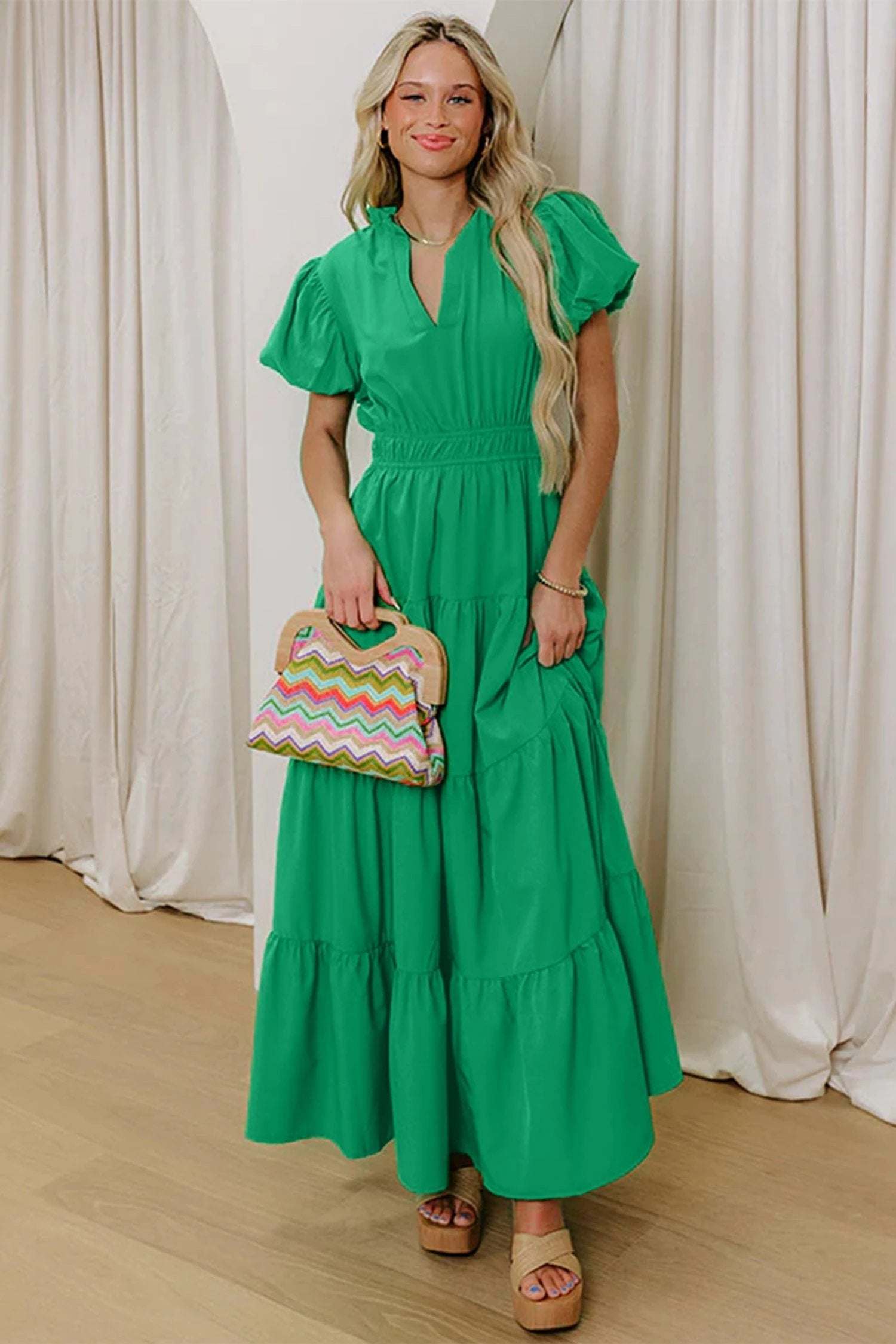
- For a casual dress day: Put a denim jacket or lightweight cardigan over a midi or T-shirt dress. Add sneakers or flat sandals depending on the weather, and you are covered for cooler indoor spaces.
- For cooler weekends: Pair a long-sleeve tee with jeans, add a soft sweater, and top it with a vest or jacket. This works well when you need warmth outside but do not want a heavy coat on all day.
Avoid the Layers That Create Extra Work
More layers are not always better. Too many thick pieces can make sitting, driving, and carrying things uncomfortable. A bulky sweater under a fitted jacket may technically add warmth, but if it makes your shoulders feel tight, it will spend most of the day in the passenger seat.
Watch for bunching at the sleeves and neckline, especially with button-ups, hoodies, and sweaters. A smooth long-sleeve tee under a cardigan is usually easier than stacking several pieces with collars, hoods, or thick cuffs. If you want the look of a collared shirt under a sweater but dislike the bulk, choose a lightweight button-up and make sure the sweater has enough room through the shoulders.
Also consider where the layers will go once you take them off. A denim jacket can be tied around your waist or draped over a stroller handle. A bulky coat cannot. For days with changing temperatures, a light cardigan or overshirt may be the more useful choice.
Let Accessories Do a Little of the Work
Accessories can make simple layers feel finished without asking much from you. A belt can define the waist over jeans and a tucked-in tee. A small necklace can add interest to a solid top and cardigan. A scarf is useful when it is actually cold, but it is not required just because you are layering.
Shoes matter, too. Sneakers keep casual layers grounded for errands and busy days. Loafers, flats, or clean ankle boots can shift the same pants-and-cardigan combination toward business-casual. The goal is not to make every outfit look styled for a photo. It is to make sure your layers work together when you are walking, sitting, driving, and getting through the day.
Make Layering Easier Before the Morning Starts
Keep a small group of layers where you can see them: one denim jacket, one neutral cardigan, one open button-up, and one warmer outer layer can cover a lot of situations. J&H Apparel focuses on the kind of easy-to-style pieces that can move between work, errands, and home without needing a full outfit change.
When you find a combination that works, repeat it. Take a quick mirror photo or keep the pieces together in your closet. Getting dressed does not need to become another decision that drains your energy. A comfortable tee, pants that fit the way you like, and a layer you can remove when the day warms up is often plenty.
Tomorrow morning, start with the outfit you know you will want to keep on, then add only the layer that makes the weather and your schedule easier to handle.