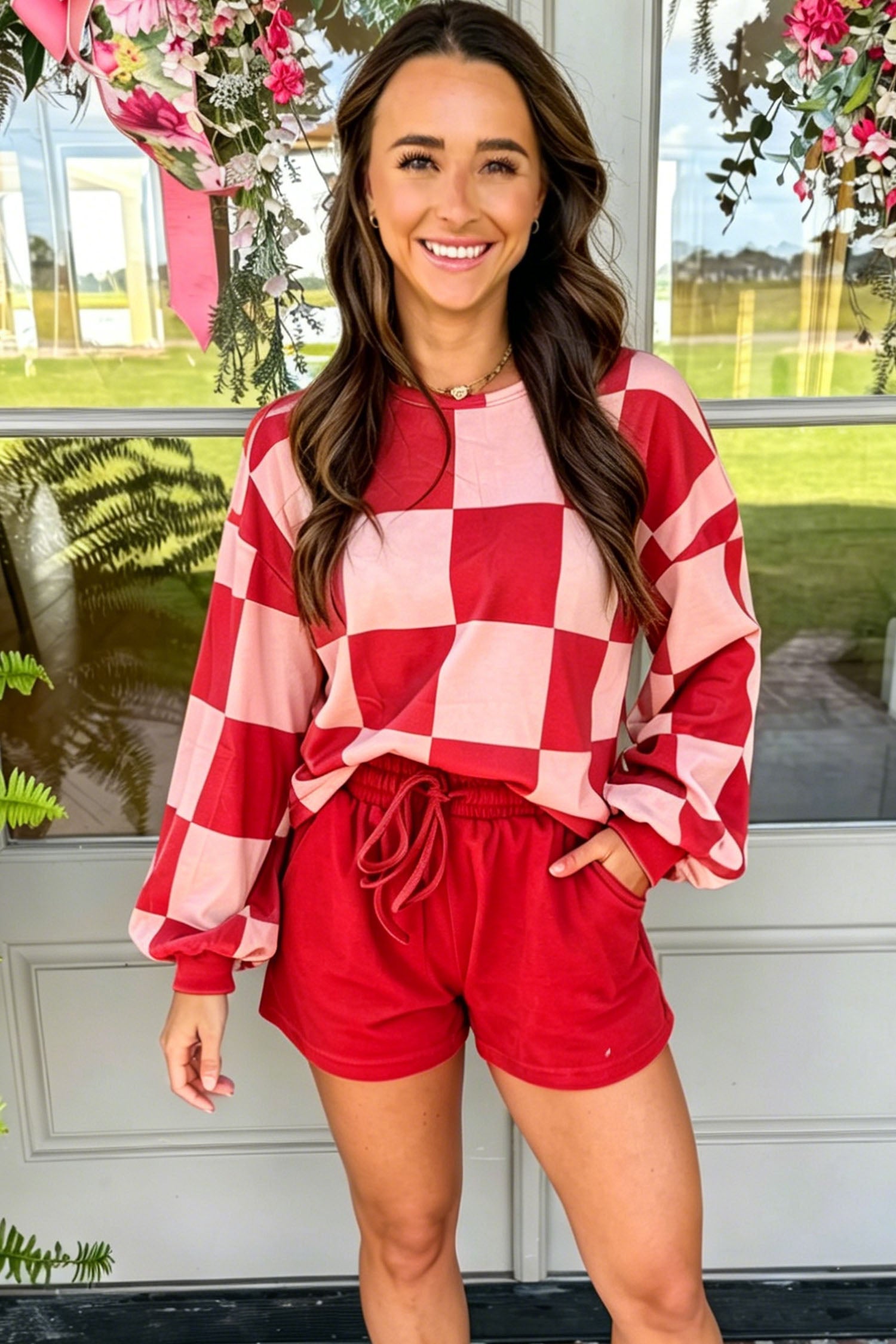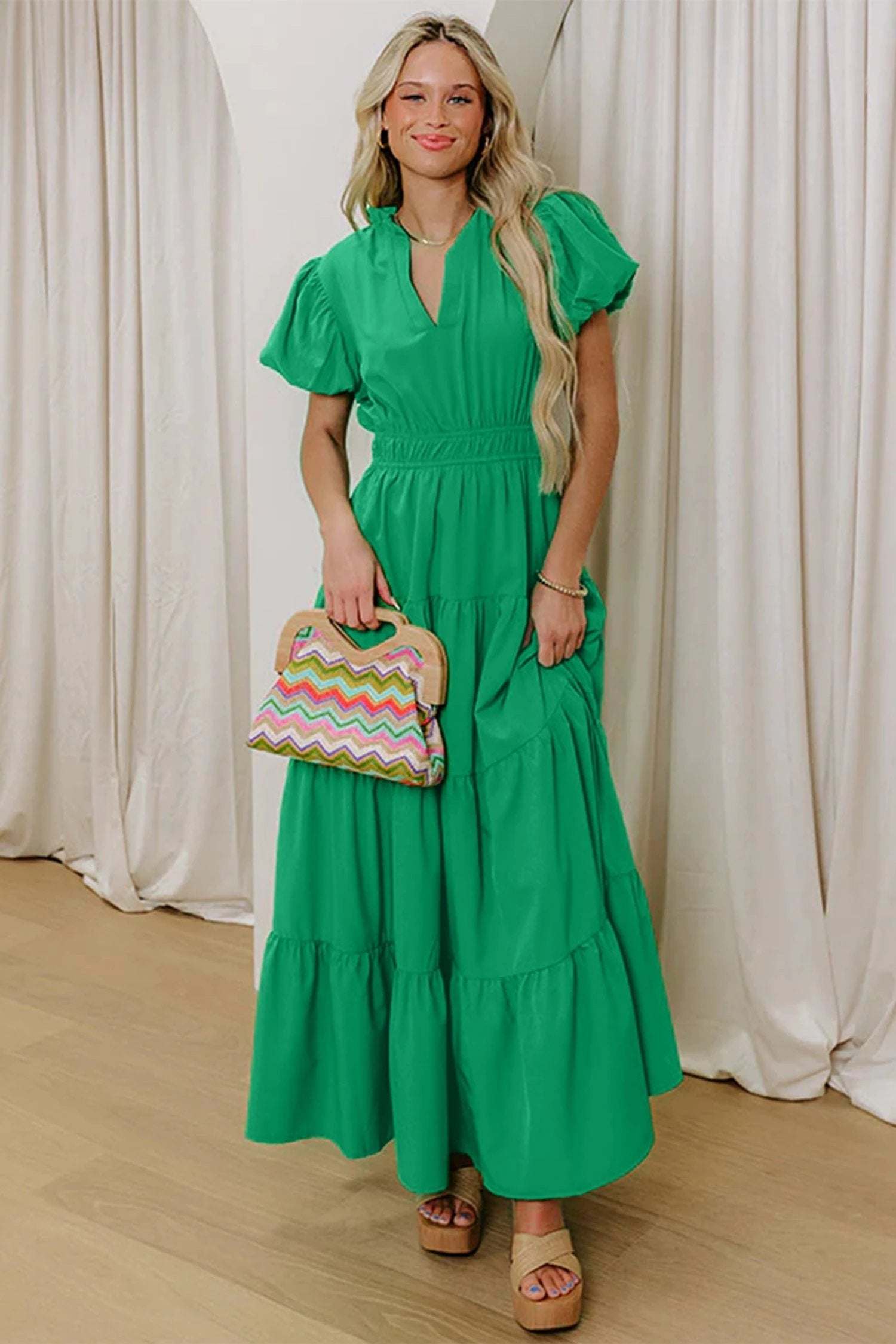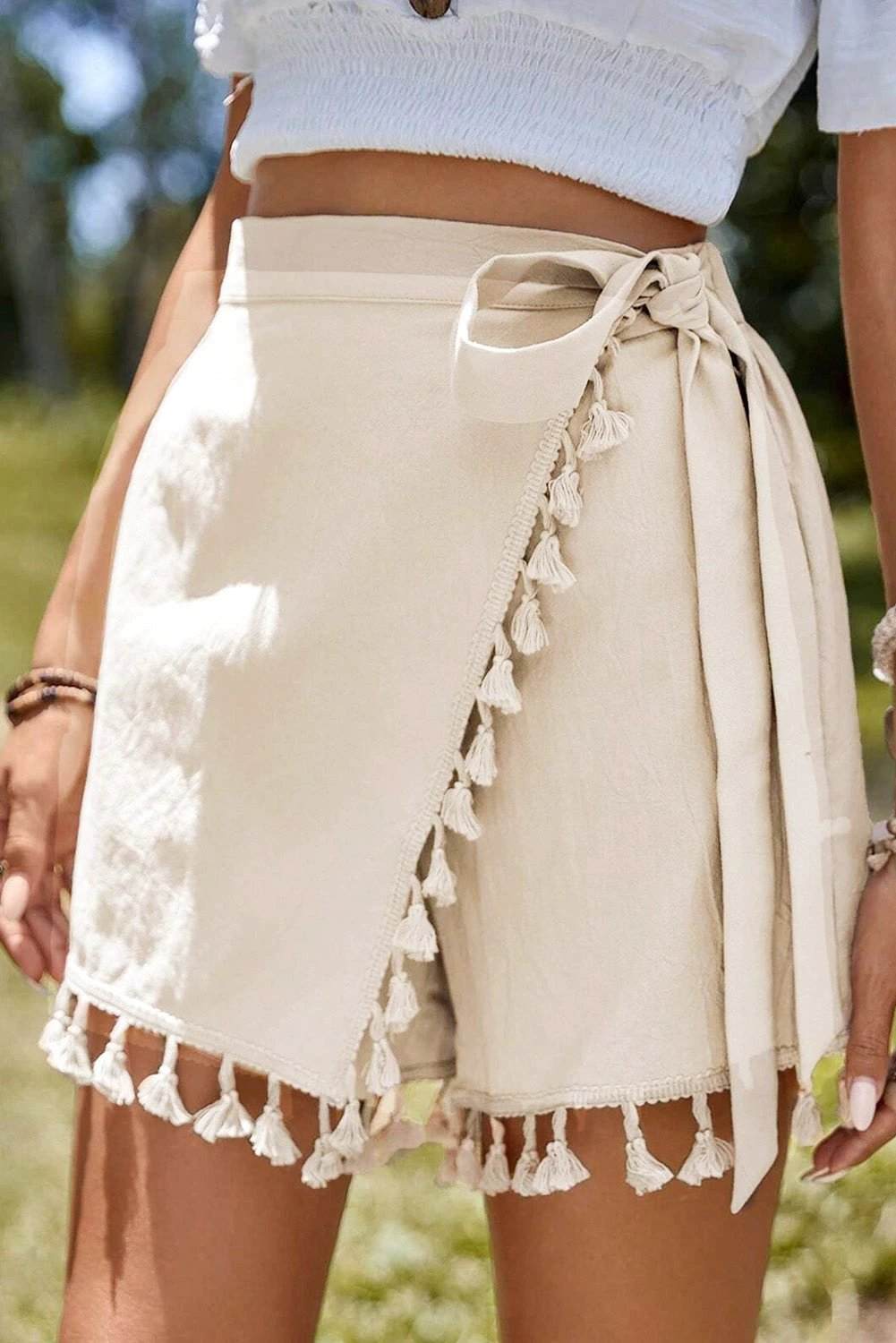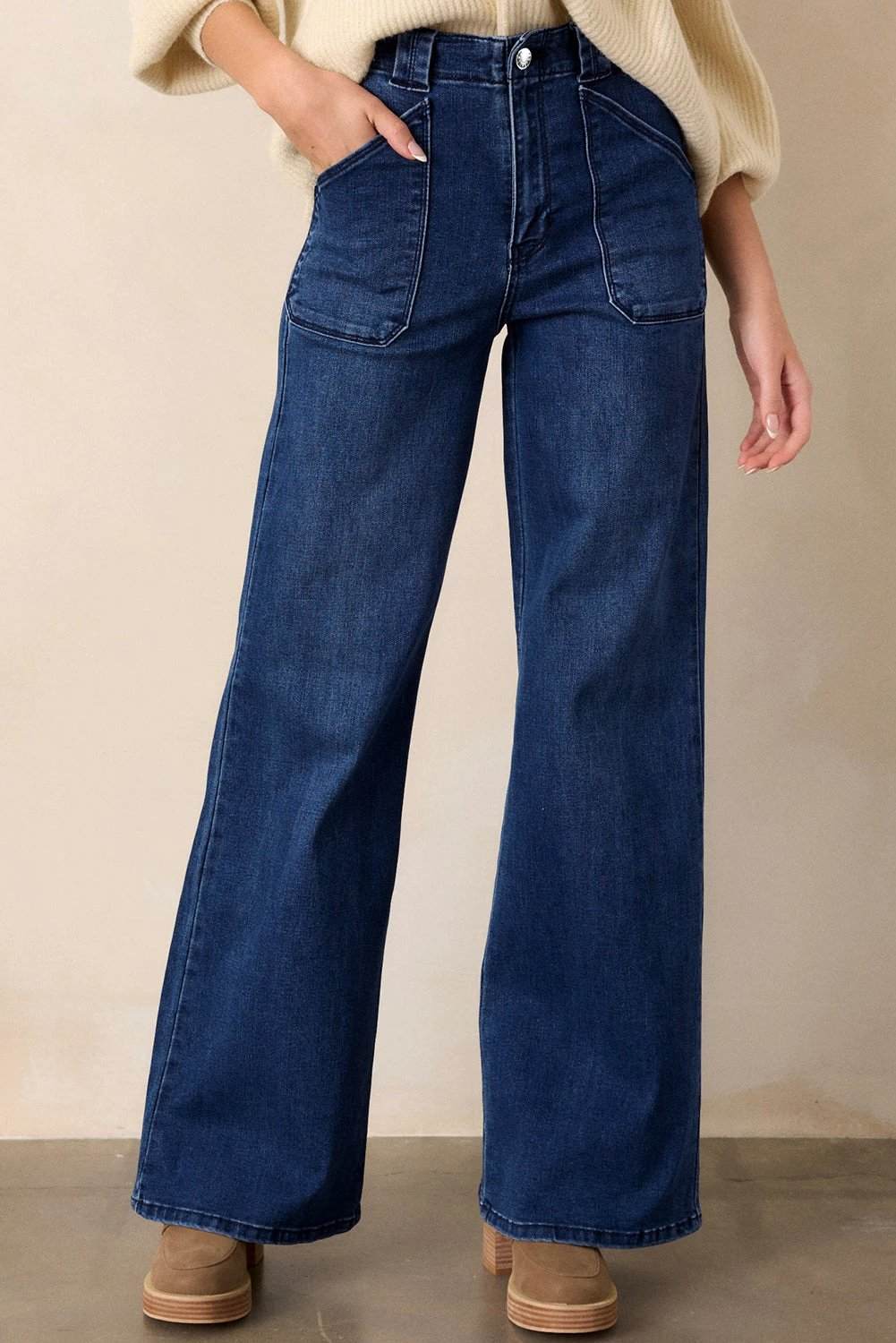
A closet can be full and still leave you standing there with nothing that works for school pickup, a quick grocery run, a meeting, and the laundry waiting at home. The right plus size options are not about buying more clothes or dressing for a version of life you do not have. They are about finding a few reliable pieces that fit comfortably, move with you, and make getting dressed one less decision on a busy Tuesday.
That starts with looking beyond a size label. A number is useful, but the cut, fabric, rise, stretch, and length are what decide whether a piece earns a repeat spot in your week. When those details are clear, online shopping gets a lot less frustrating.
What Good Plus Size Options Should Do
Everyday clothes have a job. A top should stay comfortable while you reach for car-seat buckles and carry bags inside. Pants should let you sit at a desk, on the floor, or in the pickup line without needing a constant waistband adjustment. A dress should be easy to wear on its own, not something that needs a full plan before you leave the house.
Start with comfort, but do not stop there. The pieces you wear most should also work together. A soft knit top that goes with jeans, pull-on pants, and shorts gives you more use than a single outfit that only works one way. A lightweight layer can handle an over-air-conditioned office, a cool morning, or the moment you realize the weather changed while you were inside.
Fit is personal, and there is no single “best” silhouette. Some women prefer a closer fit through the shoulders with more room through the middle. Others want a relaxed top that skims rather than clings. The goal is not to follow a rule. It is to notice what lets you move through your day without thinking about your clothes every five minutes.
Start With the Pieces You Reach for Most
If getting dressed feels harder than it should, begin with the category that gives you the most trouble. For many women, that is bottoms. For others, it is finding tops that are comfortable without feeling shapeless or dresses that do not require special shoes, special layers, or a special plan.
A practical everyday wardrobe usually starts with a few dependable building blocks: comfortable bottoms, easy tops, one-piece outfits, and layers that extend what you already own. You do not need every category at once. Add the piece that solves a real gap first.
Bottoms That Can Keep Up
Look at rise, inseam, waistband construction, and fabric before focusing on the color. A mid- or high-rise style may feel more secure for all-day wear, while a stretch waistband or pull-on design can make the difference on days with lots of sitting, driving, and moving around. If you prefer structured denim, check how much stretch is in the fabric. More stretch can feel great, but a pair with too much may not hold its shape the way you want by late afternoon.
For work or days when jeans are not the answer, comfortable pants with a clean leg shape can do a lot. A straight or wide leg often pairs easily with sneakers, flats, or simple sandals, depending on the season. Black, denim blue, olive, tan, and other easy neutrals make repeat outfits simpler, but a color you genuinely enjoy wearing can be just as useful if it works with your existing tops.
Tops That Do More Than Fill a Drawer
The best everyday tops earn their place because they work with more than one bottom. A relaxed tee, textured knit, simple blouse, or soft button-front shirt can cover errands and casual workdays without needing much thought.
Pay attention to the shoulder fit and sleeve length. When shoulders sit where they should, a top generally looks more intentional even with leggings or jeans. A little extra length can be helpful if you like coverage, but longer is not always better. Consider where the hem lands on you and whether it stays in place when you sit or raise your arms.
Fabric matters here, too. Soft cotton blends are often an easy choice for daily wear. Lightweight woven fabrics can feel more polished for work, while knit fabrics may offer more give. Neither is automatically better. It depends on whether you want structure, stretch, breathability, or a little of each.
Dresses, Rompers, and Jumpsuits for Less Decision-Making
One-piece outfits are useful because the outfit is already mostly handled. A casual dress can work with sandals for warm days or with a light jacket when you need another layer. A romper or jumpsuit can be equally simple, especially if the waist, straps, and length suit how you like to move.
Before choosing one, check the details that affect a real day. Is the fabric stretchy or more structured? Does the waist have elastic or a tie? Are the straps adjustable? Are there pockets? A jumpsuit can be a great grab-and-go option, but it is worth considering whether the fit and closure will feel practical for you through a full day.
Use Size Charts as a Starting Point, Not a Guess
Online shopping is easier when you compare your measurements to the garment’s size guide instead of relying only on the size you wore somewhere else. Brands use different fit models, and even two items from the same retailer can fit differently based on fabric and cut.
If you are between sizes, product details can help you make the call. A fitted woven top with little stretch may feel better in the larger size. A relaxed knit with generous stretch may work in the smaller size if you prefer less volume. Read whether an item is described as fitted, true to size, relaxed, or oversized, then factor in how you want it to fit, not just how it looks on a screen.
It also helps to keep a quick note on your phone with your usual measurements and the fits you liked from past orders. That takes less time than starting from scratch every time, especially when you are shopping in a few minutes between everything else.
Build Outfits Around Real Parts of Your Week
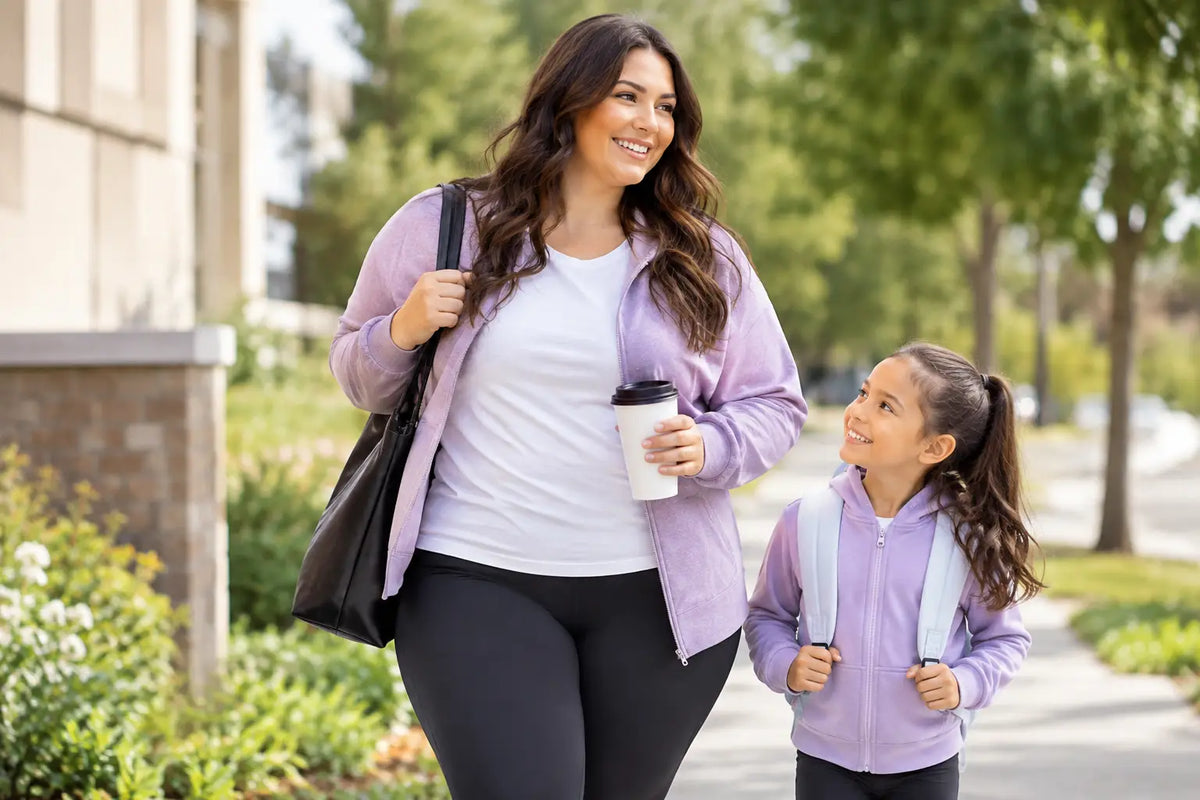
A versatile outfit does not have to be fancy. It just needs to work in more than one place. Try pairing a soft solid top with jeans and a lightweight outer layer for a day that starts at home and ends with errands. Switch jeans for comfortable pants and you have an easy work option. Add a simple accessory or different shoes only if you want to, not because the outfit requires it.
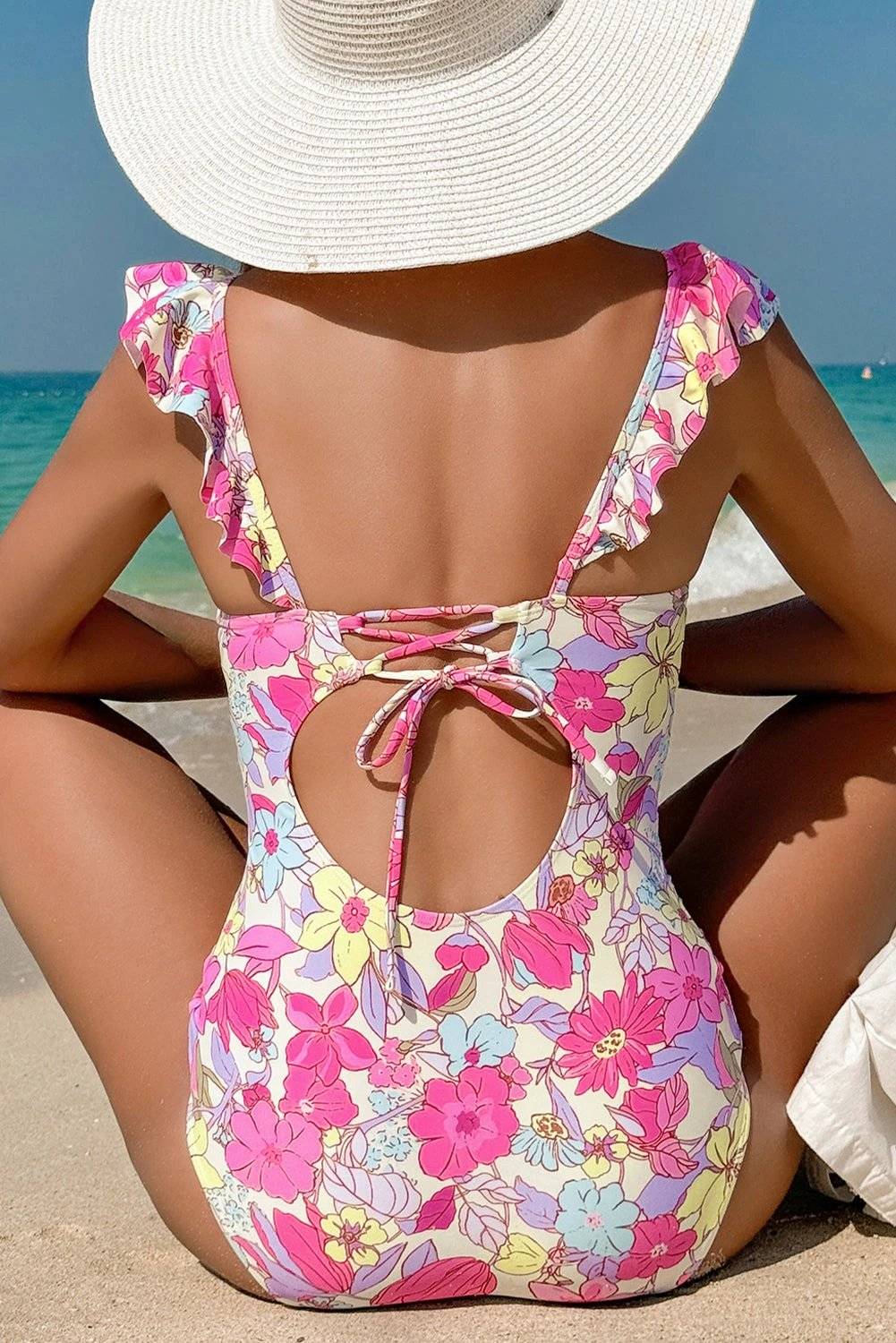
For warmer days, an easy dress or matching outfit set can take the place of separate tops and bottoms. For pool or beach days, choose swimwear and cover-up pieces that let you feel comfortable getting from the car to the water and back again. The useful question is not, “Will I wear this for a perfect plan?” It is, “Can I see myself putting this on next week?”
When a piece works across several parts of your regular routine, its cost per wear usually makes more sense than something that only comes out once. Affordable quality is not about settling. It is about choosing items that can handle being worn, washed, and worn again.
A Few Shopping Details Worth Checking
Before adding anything to your cart, pause for the information that can save you a return. Product photos are helpful, but the details matter more: fabric content, stretch, measurements, care instructions, and notes about fit. If a top is more fitted at the bust or a pant has a shorter inseam, that is useful information, not a small detail to skip.
Also consider what you already have at home. If you own three pairs of bottoms you wear constantly, a new top that works with all three may be the smarter pick. If your drawers are full of tops but you keep avoiding every pair of pants, start there instead. Shopping gets more useful when each new item has a clear place in your actual rotation.
J&H Apparel approaches plus sizing as part of the everyday collection, with practical details meant to help you choose without overthinking it. Take the time to use the fit information, then choose the piece that will make next week a little easier to get dressed for.