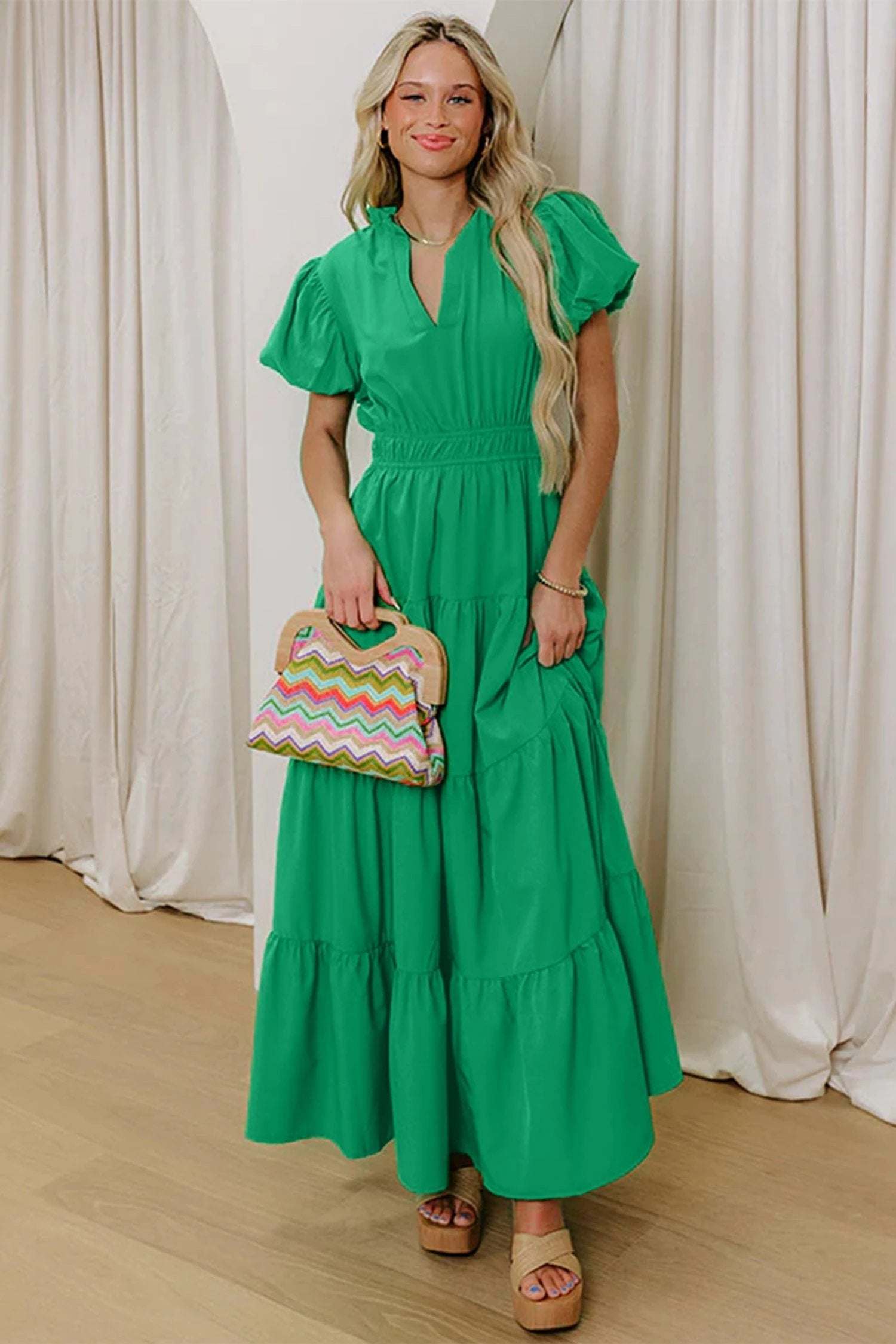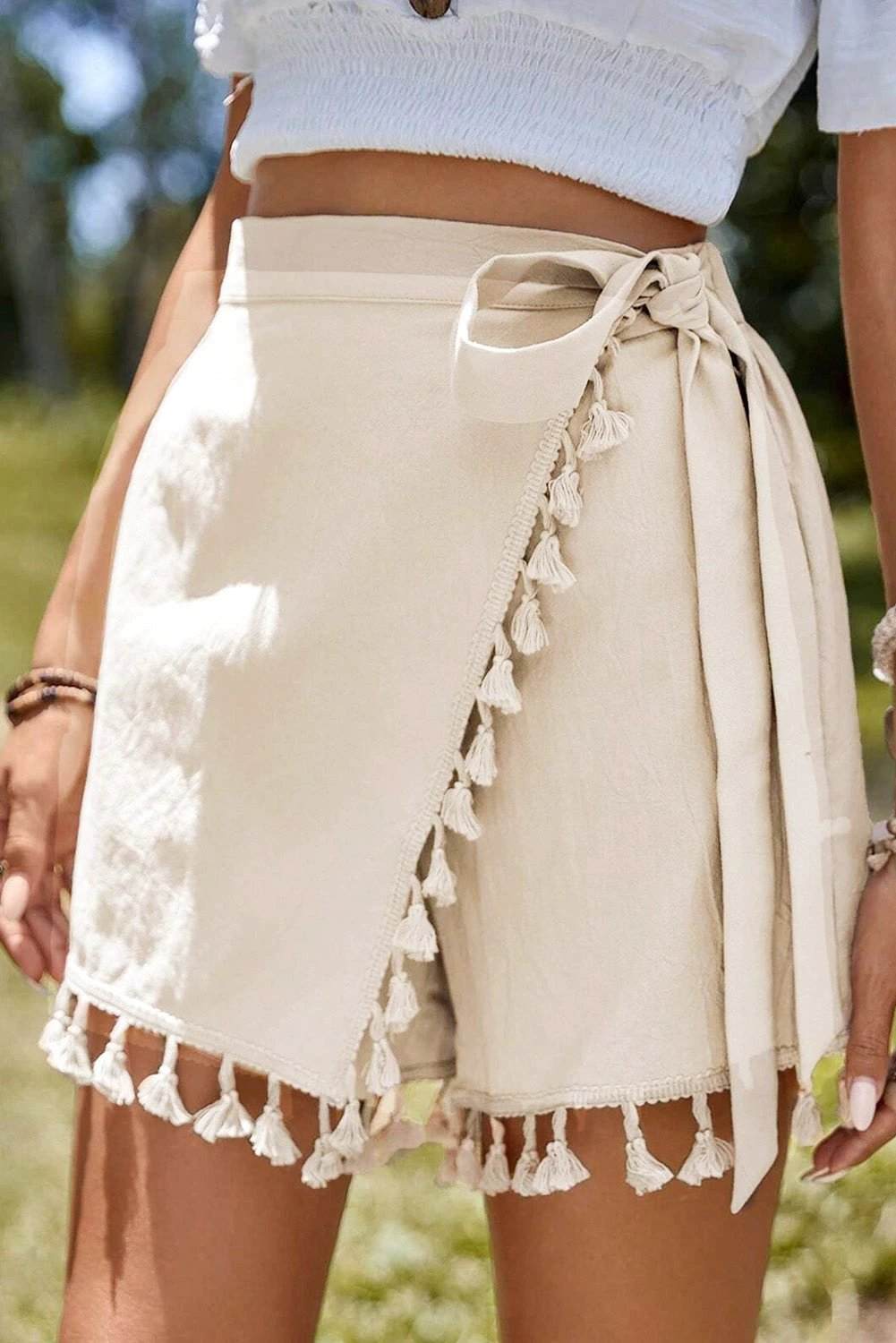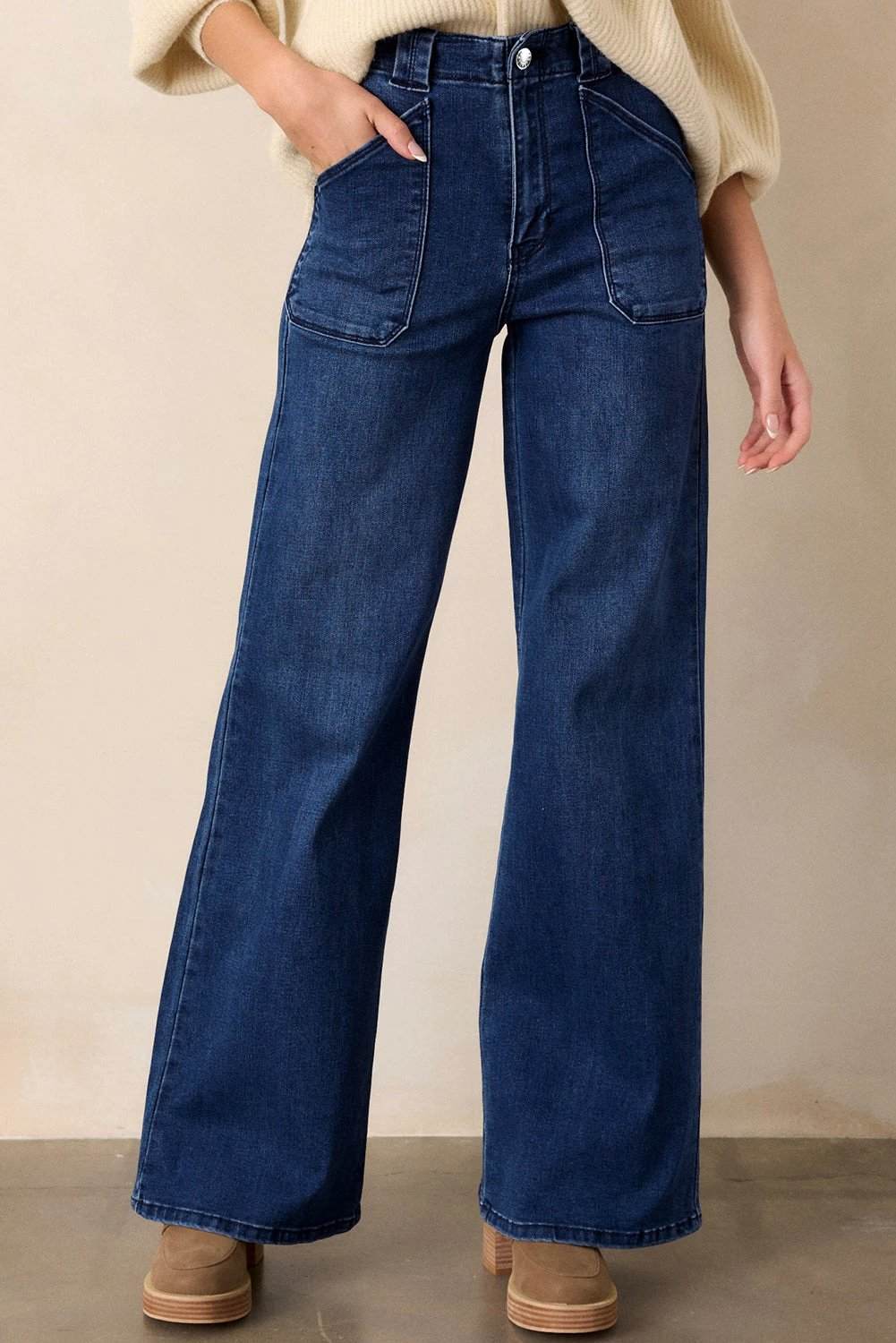

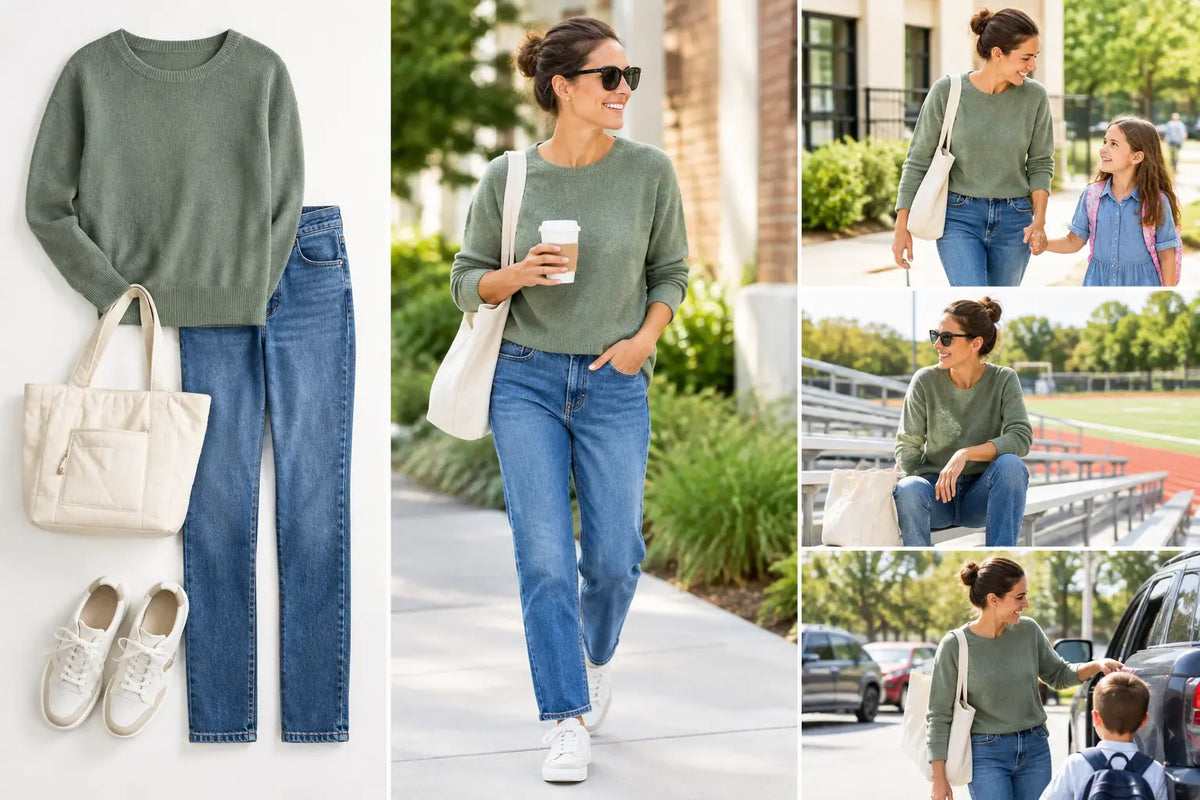
The laundry is folded, the house is finally quiet, and you are staring at a closet that somehow feels full and impossible at the same time. This weekend wardrobe makeover example is for that exact moment. It is not about replacing everything you own or dressing for a life you do not actually live. It is about spending a couple of hours making your real clothes easier to wear on Monday morning.
A good wardrobe reset should make school pickup, grocery runs, work meetings, and sitting on the floor helping with homework feel a little less like four separate dress codes. Start with what is already working, fill a few useful gaps, and stop asking every single piece to do too much.
Start With the Week You Actually Have
Before pulling clothes off hangers, think through the next seven days. Maybe your week includes two days at work, a pediatrician appointment, a grocery run, a few hours at the computer, and a Saturday morning at the park. That is the wardrobe you are building for.
This step matters because it keeps a makeover from turning into random shopping. A dress that only works if you have somewhere special to go may be nice, but it will not solve the morning when you need to get dressed in five minutes and find everyone else's shoes.
Pick three outfit situations that repeat most often. For many moms, those are casual daytime, work or business-casual, and relaxed weekend plans. You do not need a separate closet for each one. You need a few comfortable pieces that can shift between them.
A Weekend Wardrobe Makeover Example, Step by Step
Here is a realistic example. Picture a mom with a closet full of graphic tees, leggings, a few pairs of jeans, one cardigan she always reaches for, and several dresses she rarely wears. None of those things are wrong. The problem is that she has plenty of clothes but only two outfits she trusts.
She sets aside a Saturday afternoon, puts a laundry basket nearby, and works in small sections instead of dumping her entire closet onto the bed.
Step 1: Pull out the reliable pieces
First, she grabs the clothes she wore in the last month and felt good wearing. In this example, that is a pair of straight-leg jeans, black leggings, dark pull-on pants, two solid-color tees, a striped top, a soft cardigan, a denim jacket, one casual dress, and clean sneakers.
These are her keep-and-build-around pieces. They fit her current life, feel comfortable for a full day, and do not need a complicated plan. If something fits well but needs a small fix, like a missing button or hemming, put it in a separate repair pile rather than treating it like a lost cause.
Step 2: Make three outfit formulas
An outfit formula is simply a combination you can repeat with different colors or layers. It cuts down on the part of getting dressed that takes the most energy: deciding.
For her casual daytime formula, she chooses straight-leg jeans, a solid tee, and either the denim jacket or cardigan. For work, she uses dark pull-on pants with the striped top or a simple blouse, then adds the cardigan. For warm days, she wears the casual dress with sneakers and a light layer for air-conditioned stores or classrooms.
Notice what she did not do: buy a completely new style personality. She worked with shapes she already knows she can move in. The goal is not more outfits for the sake of it. The goal is several dependable combinations that do not require a mirror debate at 7:15 a.m.
Step 3: Find the real gaps
Once the outfits are laid out, gaps become easier to spot. Maybe every top only works with jeans. Maybe the work pants have nothing comfortable to pair with. Maybe the only outer layer is too heavy for most of the year.
In this example, her useful gaps are a neutral everyday top that works with both jeans and pull-on pants, a second layer she can wear indoors, and one pair of bottoms that is more polished than leggings but just as easy to move in. That is a short, practical shopping list.
It is also where being honest saves money. If she hates stiff denim, another pair of stiff jeans is not a gap filler. If she spends most days bending, driving, carrying bags, or sitting on the floor, fabric comfort and waistband details matter more than whether a piece looks good on a hanger.
Step 4: Remove the clothes creating clutter
Now she looks at what is left. Some pieces may be worn out, uncomfortable, the wrong size, hard to layer, or tied to a version of her routine that has changed. She does not have to make a dramatic decision about every item. A simple three-pile approach works: keep, donate, and revisit.
The revisit pile is helpful for clothes that are seasonal or need one more try-on. Put it in a bin or at the back of the closet with a date. If it is still untouched after a few months, that tells you something without forcing a rushed decision.
The donate pile creates room for the clothes she actually reaches for. That visual breathing room is not about having a perfect closet. It makes the good options easier to see when the day is already moving fast.
Add Pieces That Do More Than One Job
When it is time to add something new, look for a piece that can join at least two existing outfits. A soft knit top can work with jeans for errands and with dark pants for a workday. A relaxed button-front shirt can be worn open over a tee or on its own. A simple jumpsuit may cover a full day if the fit lets you sit, move, and handle real life without constant adjusting.
Outfit sets can be especially useful when you want to get dressed without building from scratch. Wear the pieces together on a busy morning, then separate them later with jeans, leggings, or a cardigan. The trade-off is that a set is only a smart addition if both pieces work independently, too.
Color matters, but it does not need to be complicated. Choose a small group of colors you already wear and like: denim, black, cream, olive, navy, rust, or whatever shows up most in your closet. A new top does more work when it matches your existing bottoms and layers. Prints are great when you enjoy them, but a closet made entirely of prints can make quick outfit planning harder.
Fit guidance is part of this process, especially when shopping online. Use measurements when they are available, compare them with a piece you already own, and read fabric details closely. Stretch, length, sleeve shape, and waistband construction can change how a piece works during a long day. Plus size should never mean settling for fewer everyday options or less useful information about fit.
Set Up Monday Before the Weekend Ends
The best part of a wardrobe makeover is not the closet photo. It is Monday morning when you can reach for something and move on.
Before you call it done, hang or fold five to seven outfit combinations where you can see them. You do not need to pre-plan every day, but having a few ready choices makes a difference when a kid wakes up cranky, coffee spills, or the weather changes its mind.
Keep the shoes and layers you wear most often nearby. Put the pieces that need special care somewhere you will not grab them by accident on a rushed day. If an outfit only works with a bra, tank, or pair of shoes you can never find, store those pieces together.
A weekend wardrobe reset is allowed to be small. Maybe you clear one shelf, donate two bags, and add one top that finally works with the pants you already own. That still counts. The point is to make getting dressed feel more manageable, so taking care of yourself has room on the list too.