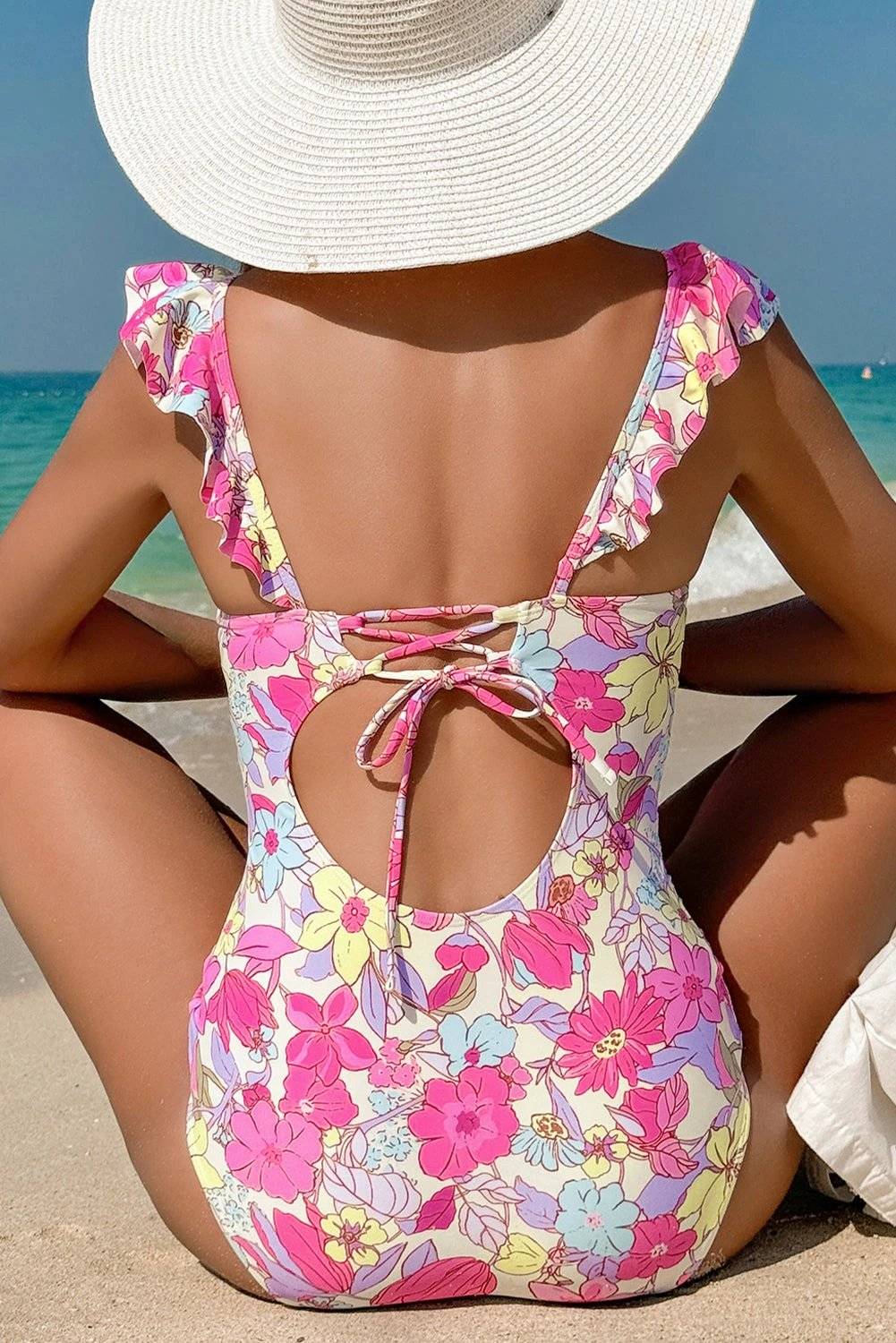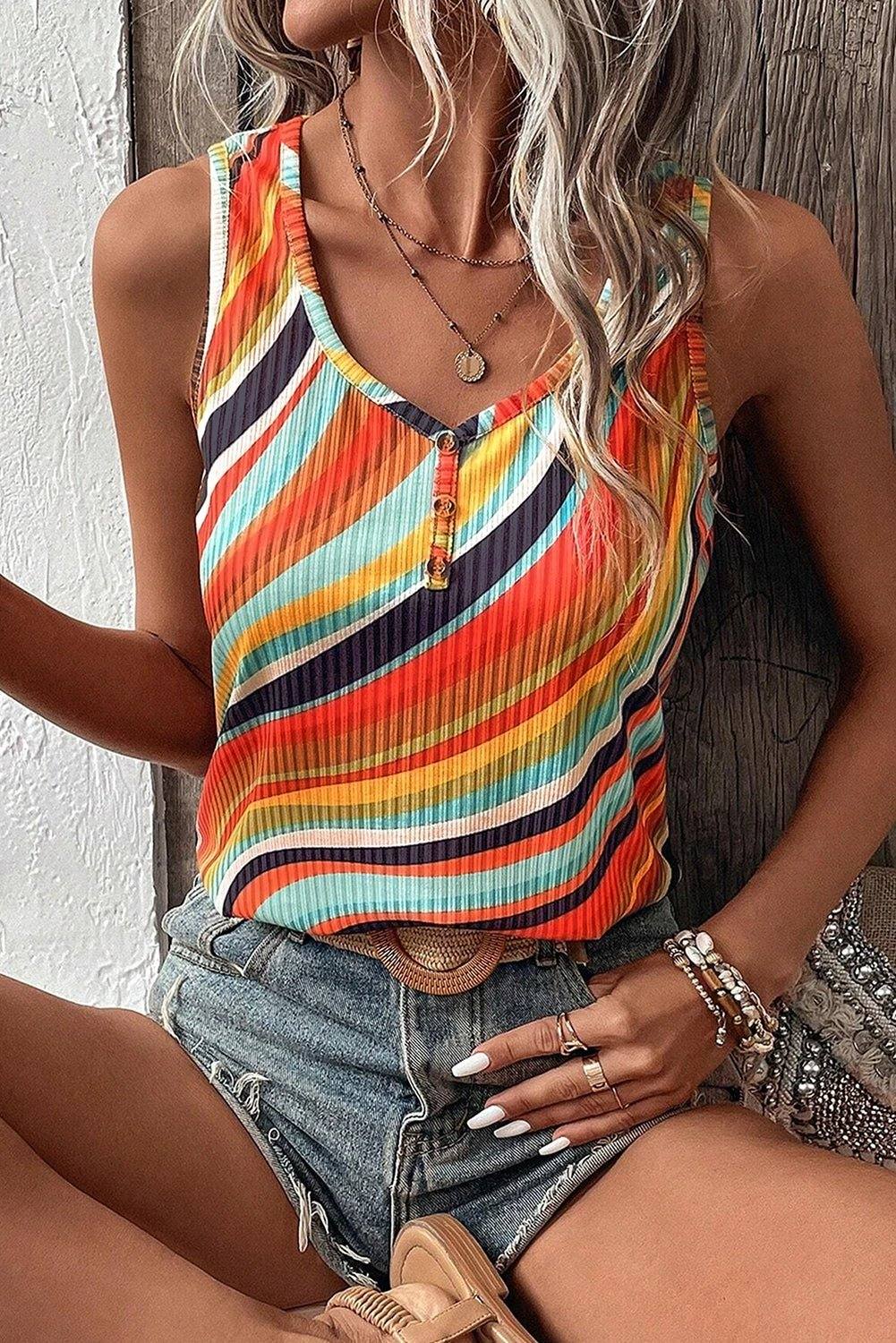
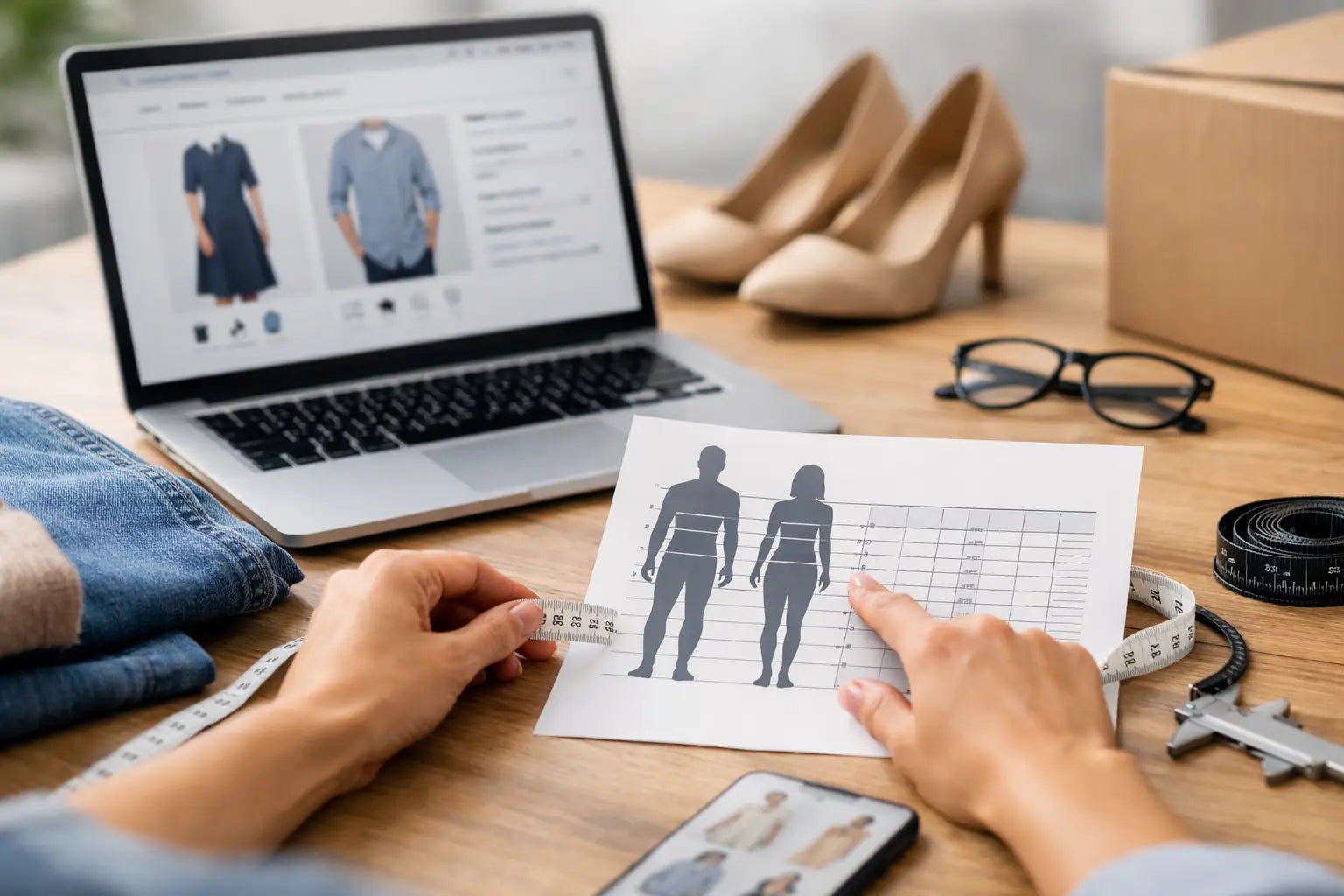
That almost-right fit is usually where online shopping goes sideways. The dress looks perfect, the jeans are exactly your style, and then the size you picked based on habit fits nothing like you expected. If you have ever wondered how to read size charts without second-guessing every number, the good news is that it is much simpler once you know what to compare and where to look.
Size charts are not there to make shopping harder. They are there to help you skip the guesswork, especially because sizing is not consistent across brands, fabrics, or silhouettes. A medium in one dress can fit like a small in another, and denim can feel completely different from a relaxed matching set. The chart gives you the real information - actual measurements - so you can choose the size that works for your body and the way you want the piece to fit.
Why size labels alone are not enough
Most shoppers have a default size they reach for first. That makes sense, but it is also why fit mistakes happen. Standard labels like XS, S, M, L, or even numbered sizes are only a starting point. They do not tell you whether a waistband runs snug, whether a blazer is cut close through the shoulders, or whether a jumpsuit has enough room through the torso.
That is where the chart matters. Instead of asking, “Am I usually a size 8?” the better question is, “Do my measurements match this garment’s size 8?” That small shift can save you a lot of return frustration.
How to read size charts step by step
The easiest way to read a size chart is to compare your own body measurements to the chart, then factor in the fit and fabric of the specific item. You are not just matching numbers. You are matching numbers plus shape, stretch, and silhouette.
Start with the three measurements that show up most often: bust, waist, and hips. For tops, dresses, and jackets, bust is usually the key number. For jeans and fitted pants, waist and hips matter most. For jumpsuits and one-piece outfits, all three matter because the garment has to work through multiple areas at once.
If a chart lists ranges, such as a medium fitting a 29-31 inch waist, your best fit often depends on the fabric. If the item is structured with little stretch, you may feel more comfortable choosing the size that gives you room. If it is soft and stretchy, staying within the range usually works well.
Measure yourself before you shop
A soft measuring tape makes this much easier, and it is worth keeping one in a drawer. Measure over lightweight clothing or close to the body for the most accurate numbers.
Your bust measurement should be taken around the fullest part of your chest while keeping the tape level. Your natural waist is the narrowest part of your torso, usually above your belly button and below your ribcage. Your hips should be measured around the fullest part of your hips and seat.
Stand normally and do not pull the tape too tight. You want a true measurement, not your aspirational one. If you suck in, the chart cannot help you.
Know the difference between body measurements and garment measurements
This is one of the most common points of confusion. Some charts show body measurements, which means the numbers describe the person the size is designed to fit. Other charts show garment measurements, which means the numbers describe the actual clothing laid flat or measured around the piece.
That difference matters. A body measurement chart might say a size medium fits a 30-inch waist. A garment measurement chart might say the medium has a 32-inch waist because the design includes a little ease for comfort and movement.
If you are looking at garment measurements, do not expect them to be identical to your body. A fitted dress may only allow a little extra room, while an oversized jacket may intentionally allow much more.
Which measurement matters most by clothing type
Not every category fits the same way, so the most important number changes depending on what you are shopping for.
For dresses, start with bust, waist, and hips, then think about the cut. A fit-and-flare dress gives more room at the hips than a bodycon style. A shirt dress may be forgiving through the waist, while a tailored sheath is less flexible.
For jeans, do not rely on the size you wear in stretchy leggings. Denim can vary a lot. Check waist and hips first, then read whether the jean is high-rise, rigid, slim, or relaxed. A straight-leg jean with minimal stretch may fit perfectly at the waist but feel snug through the hips if you size by one number alone.
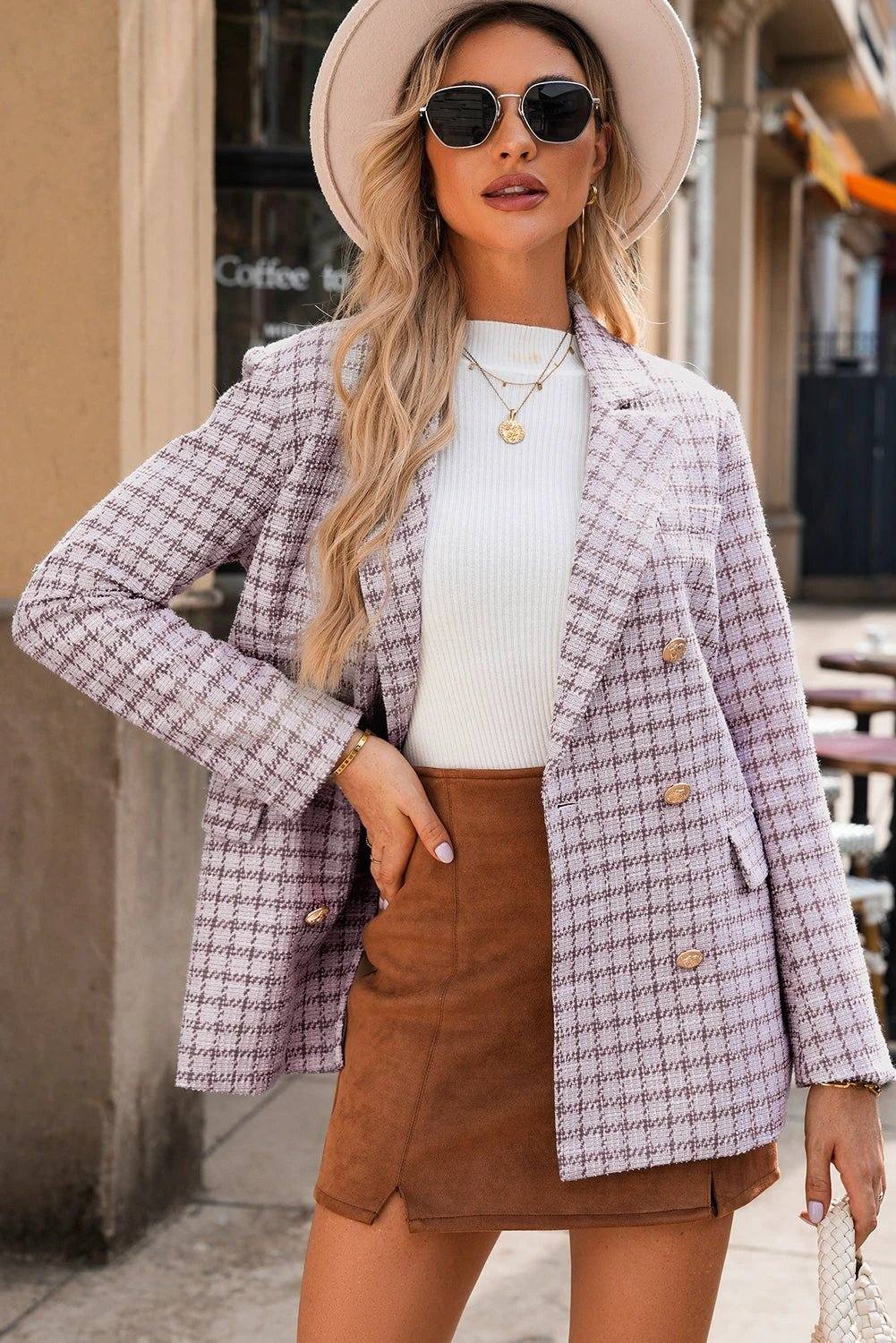
For jackets and blazers, shoulders and bust usually lead the decision. If the piece is meant to layer over tops or light sweaters, you may want a little extra room. If it is cropped or tailored, that closer fit may be part of the look.
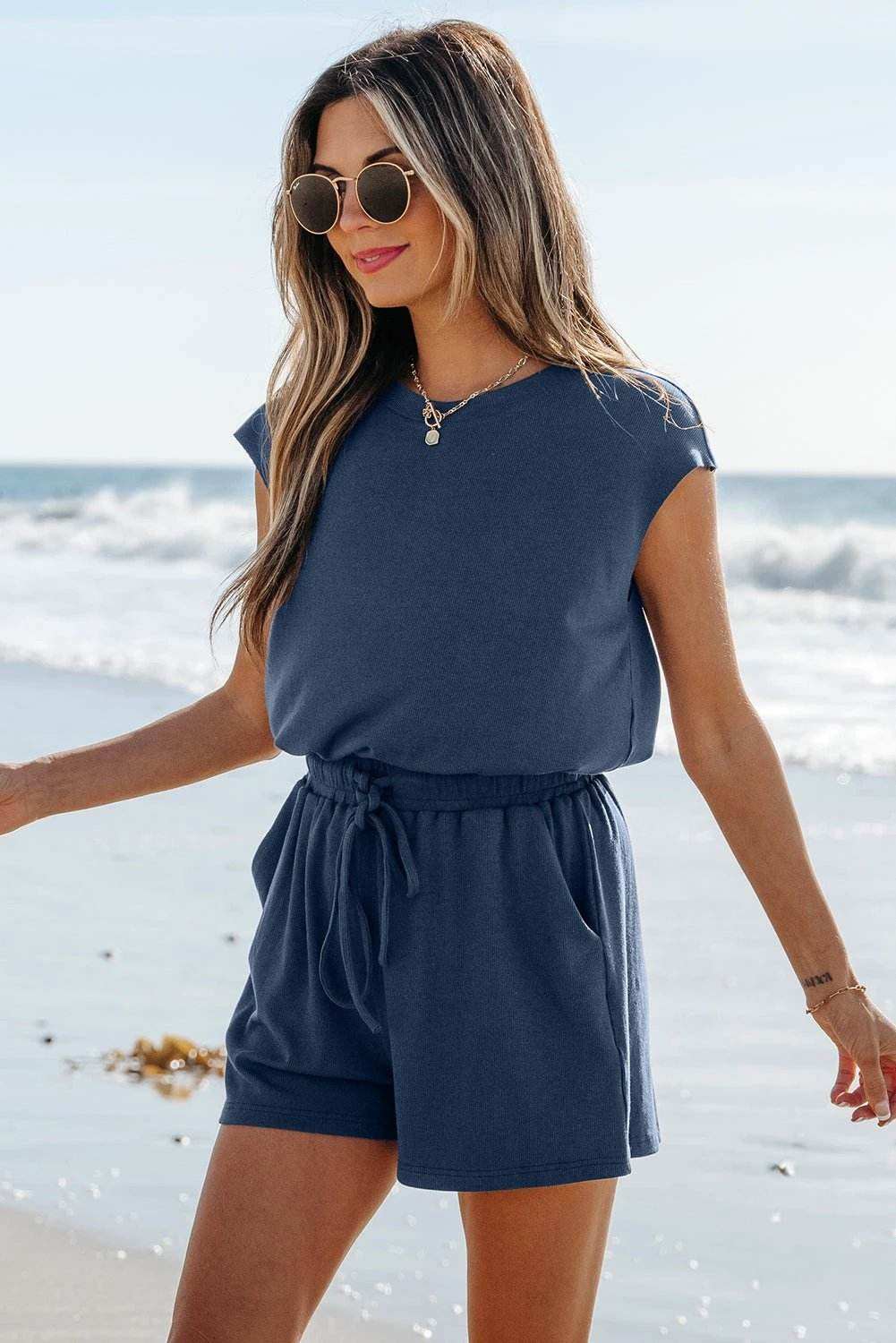
For jumpsuits, size charts deserve extra attention. If you are longer in the torso, fuller in the hips, or between sizes, the fit can change quickly. This is one of those categories where reading both the measurements and the product description really pays off.
How fabric changes the fit
A size chart gives you the numbers, but fabric tells you how forgiving those numbers will feel. This is where smart shopping gets easier.
If an item has stretch - think knits, ribbed fabrics, ponte, or denim with elastane - you can usually work comfortably within the listed size range. If the fabric is woven and structured, like poplin, linen blends, or rigid denim, the fit may feel less flexible, especially in fitted silhouettes.
That does not always mean size up. It depends on the look you want. A tailored jacket should not fit like a sweatshirt, and a relaxed set should not feel skin-tight. The best choice comes from reading the chart together with details like slim fit, relaxed fit, oversized, body-hugging, or true to size.
What to do when you are between sizes
This happens all the time, and there is no one rule that works for every item. If your bust matches one size and your hips match another, the right call depends on the garment and where you need the best fit.
For dresses and jumpsuits, choose based on the area with the least room for compromise. If the hips are in a larger size and the style is fitted below the waist, that larger size is often the safer pick. For blouses or jackets, bust and shoulders usually matter most. For wide-leg pants or relaxed trousers, a little extra room can still look polished, especially if the waist fits well.
If the item has stretch, you may be able to stay with the smaller of the two sizes. If it does not, sizing up is often the less stressful option.
Common mistakes when reading size charts
The biggest mistake is checking the chart after placing the item in your cart instead of before. The second is assuming every category within a brand fits exactly the same. A knit dress, a structured blazer, and a pair of jeans can all follow the same chart but still wear differently.
Another mistake is ignoring the fit description. A chart tells you whether the item can fit. The description tells you how it is meant to fit. That difference is important if you want pieces that feel as good in real life as they look on the screen.
It also helps to recheck your measurements every so often. Bodies change, and even small changes can affect fit in more tailored pieces.
A quick way to shop with more confidence
If you want the easiest routine, keep your current bust, waist, and hip measurements saved in your phone. Before buying, compare those numbers to the chart, check the fabric, then read the fit description. That simple three-step habit makes online shopping faster and far more accurate.
At J&H Apparel, that kind of practical fit guidance matters because clothes should work in real life - for workdays, brunch plans, weekend errands, and everything in between. When you know how to read size charts, you can shop for color, comfort, and confidence without feeling like every order is a gamble.
FAQs about how to read size charts
Should I size up or down if I am unsure?
If the item is structured or has little stretch, sizing up is usually safer. If it is stretchy or designed to fit close to the body, your usual measurement match may be the better choice.
Are size charts accurate?
They are useful when you read them the right way, but accuracy depends on whether the chart shows body or garment measurements and how the fabric behaves. Always pair the chart with the fit details.
Why do my measurements put me in different sizes?
That is very normal. Most bodies do not match one size perfectly in every area. Choose based on the part of the garment that needs the most precise fit.
The best online shopping trick is not guessing better. It is trusting the measurements more than the label, because confidence starts before the outfit even arrives.