
Some dresses look great on the hanger and somehow feel confusing once you put them on. Shirt dresses are not one of them - if you style them the right way, they can be one of the easiest, hardest-working pieces in your closet.
If you’ve been wondering how to wear shirt dresses without looking too stiff, too boxy, or too casual, the good news is that the answer usually comes down to shape, shoes, and where you’re actually going. A shirt dress can handle school drop-off, office hours, brunch, vacation, and dinner plans. That kind of versatility is exactly why it deserves a spot in a real-life wardrobe.
Why shirt dresses work so well
A shirt dress has built-in polish. The collar, button front, and clean lines make it feel put-together before you even add accessories. At the same time, it usually wears with the same ease as your favorite casual staples, which is why it works for women who want to get dressed fast and still look styled.
The best part is that shirt dresses are flexible. You can wear one loose for an effortless feel, belt it for shape, layer it like a light jacket, or dress it up with heeled sandals and jewelry. It can lean classic, relaxed, feminine, or modern depending on the fabric and fit.
That said, not every styling choice works for every body type or every schedule. A crisp cotton shirt dress may feel ideal for work but a little structured for a laid-back weekend. A satin version looks elevated for dinner, but it may need simpler accessories so the outfit doesn’t feel overdone. The trick is matching the dress to the moment.
How to wear shirt dresses for your body shape and style
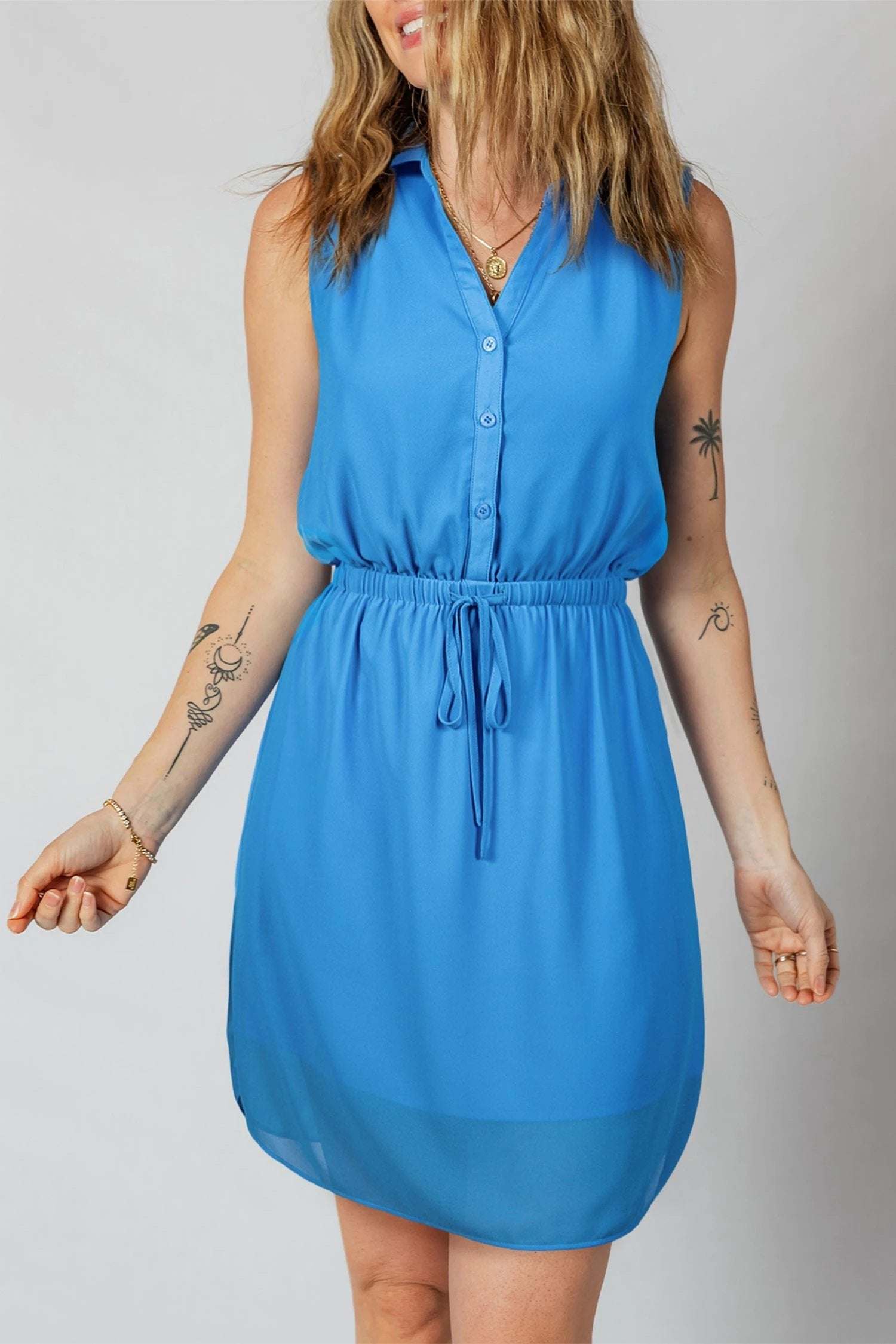
The easiest way to make a shirt dress look flattering is to pay attention to definition. If the dress has a straight cut, adding shape at the waist can completely change the look. A self-tie belt keeps things soft and easy, while a structured belt creates a more defined silhouette.
If you prefer a relaxed fit, you do not have to cinch every shirt dress. A slightly loose style can look chic and current, especially with rolled sleeves and clean sneakers or flat sandals. The balance matters, though. If the dress is oversized through the body, keeping your shoes sleek and your accessories simple helps the outfit feel intentional rather than swallowed up.
For women who want more curve definition, look for details like a removable tie waist, darting, side slits, or a gently shaped cut through the torso. These details make the dress easier to style and more comfortable to wear all day. If you want extra length in the legs, a hem that hits above the knee with flats can help. If you want a longer, leaner line, a midi shirt dress with a belt and a low heel often does the job beautifully.
Petite women may find that too much fabric can overwhelm their frame, so shorter hemlines or midi lengths with movement tend to work better than extra-long, stiff cuts. Taller women can usually carry longer hemlines with ease and may like the look of a maxi shirt dress with boots or flat sandals. None of these are rules - they are just useful starting points when you want getting dressed to feel simple.
Easy outfits based on where you’re going
For workdays
A shirt dress is one of the easiest answers to the what-do-I-wear-to-work question. Choose a style with clean tailoring and a fabric that holds its shape, like cotton poplin or a structured blend. Add loafers, low block heels, or polished flats, then finish with a tote and simple jewelry.
If your office leans more formal, button the dress higher, define the waist, and keep the color palette classic. Navy, black, olive, soft blue, and stripe patterns tend to look especially sharp. If your workplace is more relaxed, you can loosen the look a little with rolled sleeves or white sneakers, as long as the dress still looks neat.
For weekends and errands
This is where shirt dresses really shine. A casual shirt dress with sneakers, sandals, or slides gives you that pulled-together look without requiring a full outfit plan. It is fast, comfortable, and still cute enough for lunch, coffee runs, or casual meetups.
For this kind of styling, softer fabrics work especially well because they move with you and feel easy. You can wear the dress loose, add a crossbody bag, and keep jewelry minimal. If you want a little more shape, tie the waist lightly rather than cinching it tightly.
For brunch and daytime plans
A shirt dress already has enough structure to look dressed up in daylight, so you do not need much. A woven bag, layered necklace, and strappy flat sandals can completely finish the outfit. Prints, bright color, and soft feminine details feel especially fun here.
This is also a great time to play with sleeves. A cuffed sleeve or slightly open neckline keeps the look fresh and flattering. If the dress is simple, a bold earring or colorful sandal can add personality without making the outfit feel busy.
For dinner or evening
Yes, shirt dresses can absolutely work at night. The key is fabric and finishing touches. A darker color, silky texture, or more fitted silhouette naturally reads dressier than a crisp daytime cotton style.
Swap daytime shoes for heeled sandals, ankle boots, or sleek mules. Add a clutch or smaller shoulder bag, and choose jewelry with a bit more shine. If the dress is button-front, leaving the neckline slightly open can make the look feel softer and more elevated. You want polished, not stiff.
The shoes that make shirt dresses look better
Shoes change the whole mood of a shirt dress, sometimes more than the accessories do. Sneakers make the look easy and modern, especially for mini and midi lengths. Flat sandals feel relaxed and warm-weather ready. Loafers create a smart daytime outfit that works well for work or travel.
If you want more polish, low heels or block-heel sandals bring shape and intention without sacrificing comfort. Boots can also work beautifully, especially with midi shirt dresses in cooler weather. Ankle boots feel current and practical, while knee-high boots create a stronger fashion statement.
The main thing to watch is proportion. A very oversized dress with very chunky shoes can feel heavy unless that is the look you want. A slimmer dress with delicate shoes usually feels more balanced. If you are unsure, start with simple shoes and build from there.
Layering a shirt dress without overthinking it
One of the best things about shirt dresses is that they layer well through different seasons. In warm weather, wear them on their own with sandals and a lightweight bag. When temperatures drop, add a denim jacket, cropped cardigan, or light trench.
Length matters here. A cropped jacket often works better than a long one because it keeps the waist visible and helps the outfit stay balanced. If your shirt dress is already long and flowy, piling on another long layer can feel bulky.
You can also wear some shirt dresses open over a tank and jeans or shorts like a lightweight third layer. This works especially well with relaxed styles and soft fabrics. It gives you another way to wear the piece, which is always a win when you want more value from your closet.
Small styling details that make a big difference
A few simple choices can take a shirt dress from basic to really flattering. Rolling the sleeves adds shape and keeps the look casual in a good way. Defining the waist, even slightly, can make the silhouette feel more intentional. Leaving a few buttons open at the top or bottom can create movement and keep the outfit from looking too buttoned-up.
Accessories should support the outfit, not fight with it. If the dress has a bold print or strong shape, keep the extras clean and simple. If the dress is minimal, you have more room to add color, texture, or standout jewelry.
It also helps to think about fabric before you buy. Crisp fabrics look polished and hold structure, but they can feel less forgiving if you want an easy, relaxed fit. Softer fabrics tend to drape better and move more comfortably, but they may need the right underlayers and accessories to look sharp enough for dressier settings. It depends on what you need the dress to do most often.
When a shirt dress does not look quite right
Usually, the issue is not the dress category itself - it is the fit. If a shirt dress pulls at the buttons, it needs more room. If it hangs straight down and feels shapeless, it may need a belt or a different cut. If it looks too much like an oversized button-up, the length, sleeve shape, or fabric may be off for the look you want.
That is why practical details matter. Check the size chart, pay attention to fabric content, and think honestly about whether you want structure or softness. A good shirt dress should make your day easier, not give you a list of problems to solve. At J&H Apparel, that kind of wearable versatility is the whole point.
The best shirt dress outfit is the one that lets you leave the house feeling comfortable, current, and ready for whatever is on your calendar. Start with the version that fits your real life, add one or two styling touches that feel like you, and let the dress do the rest.