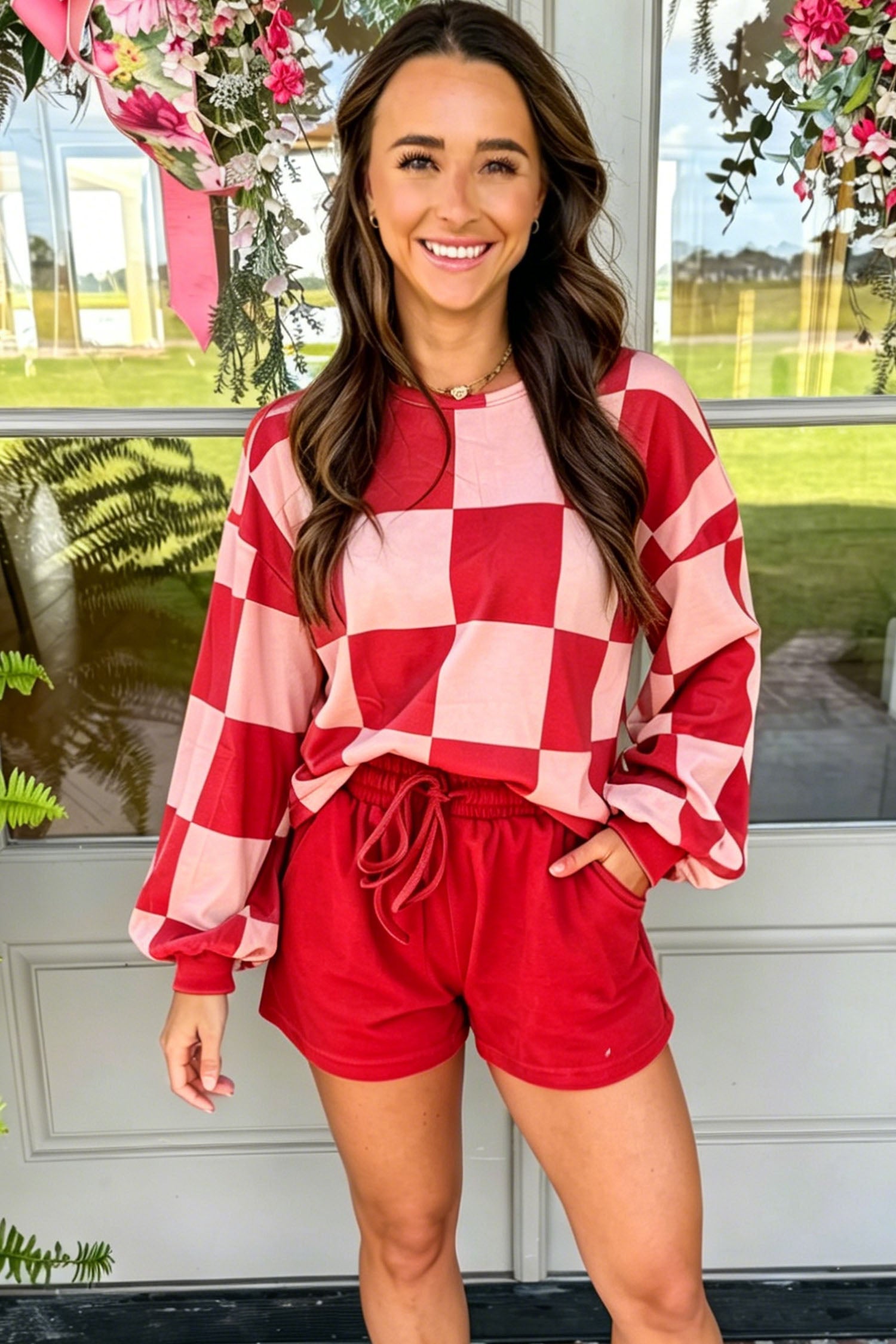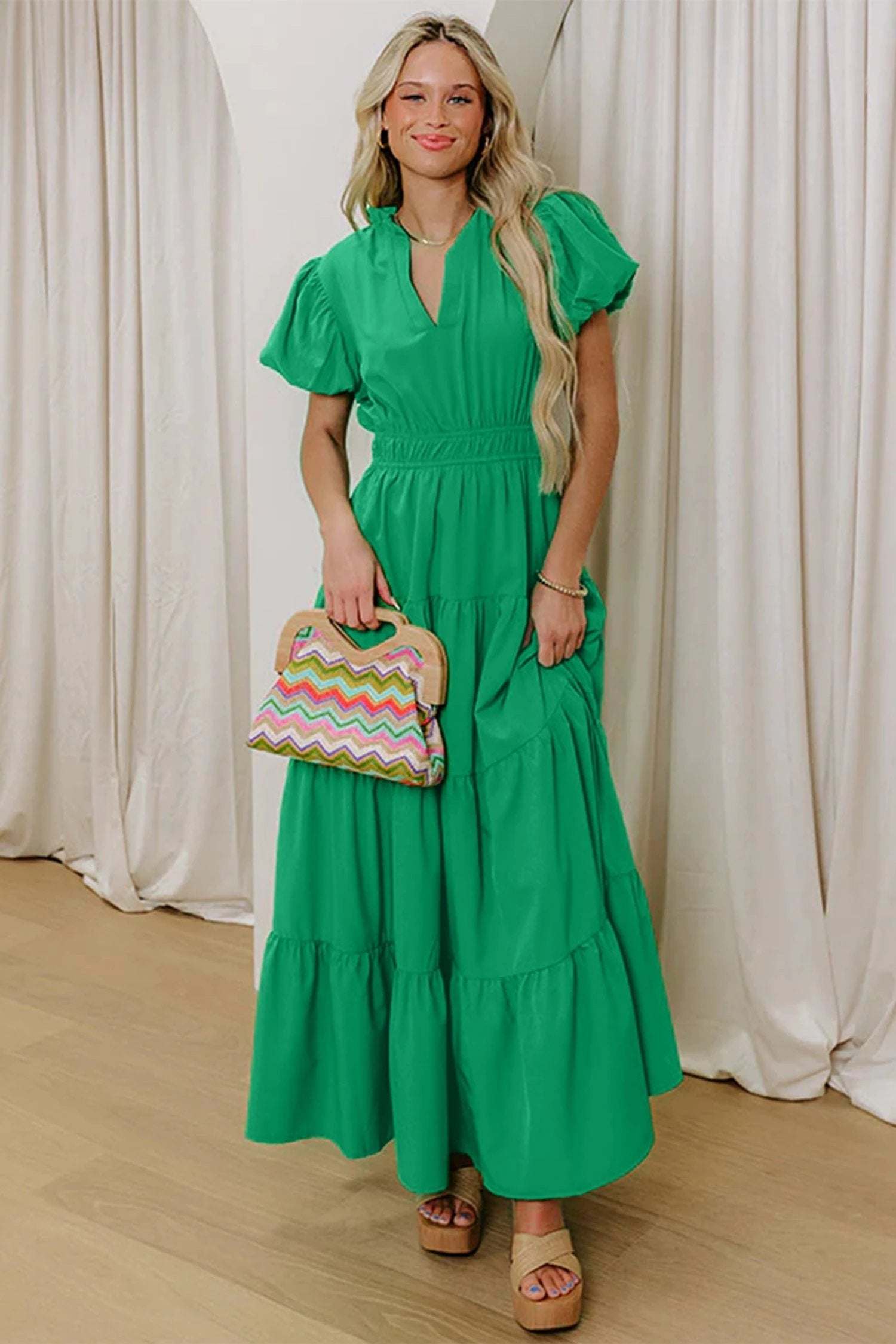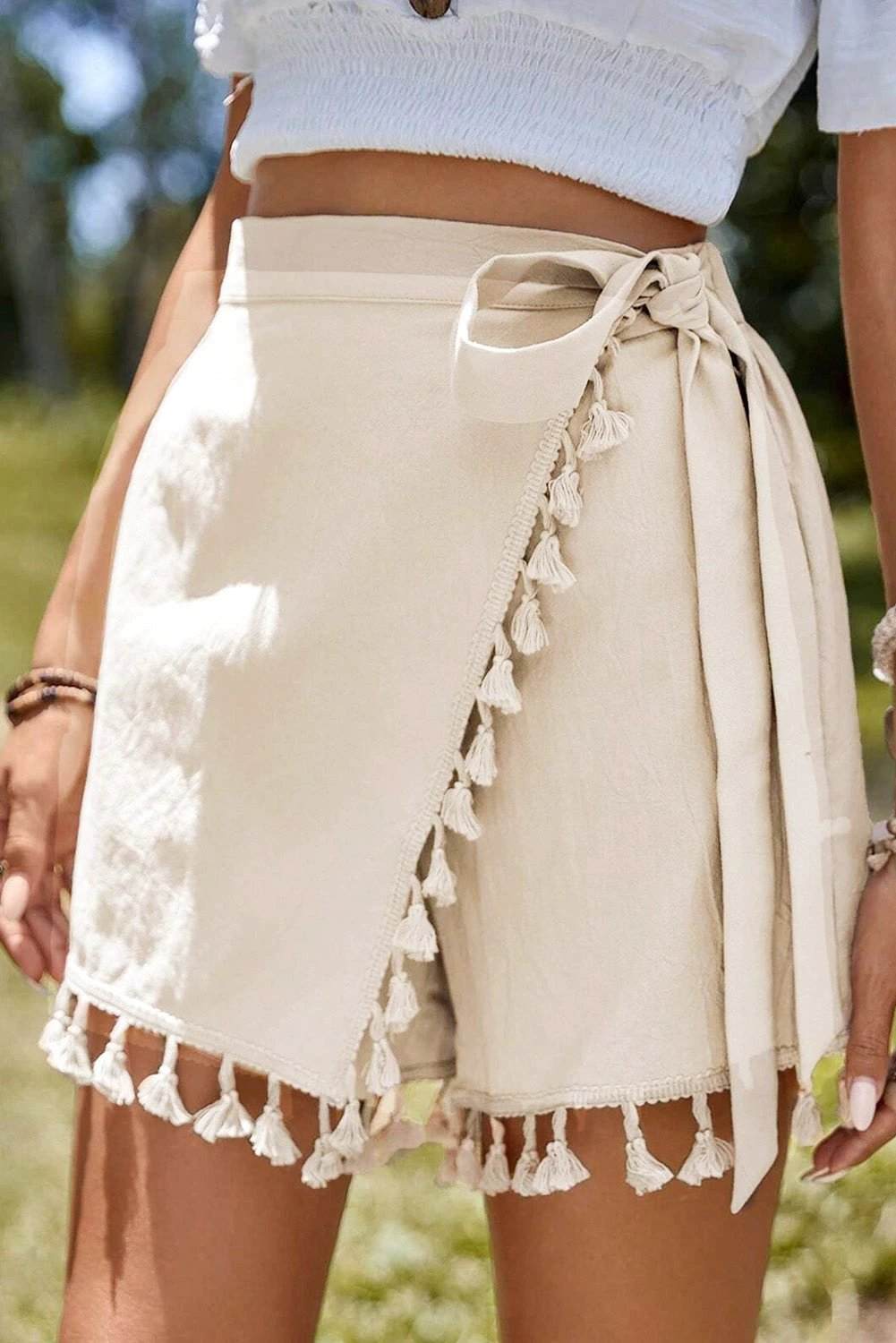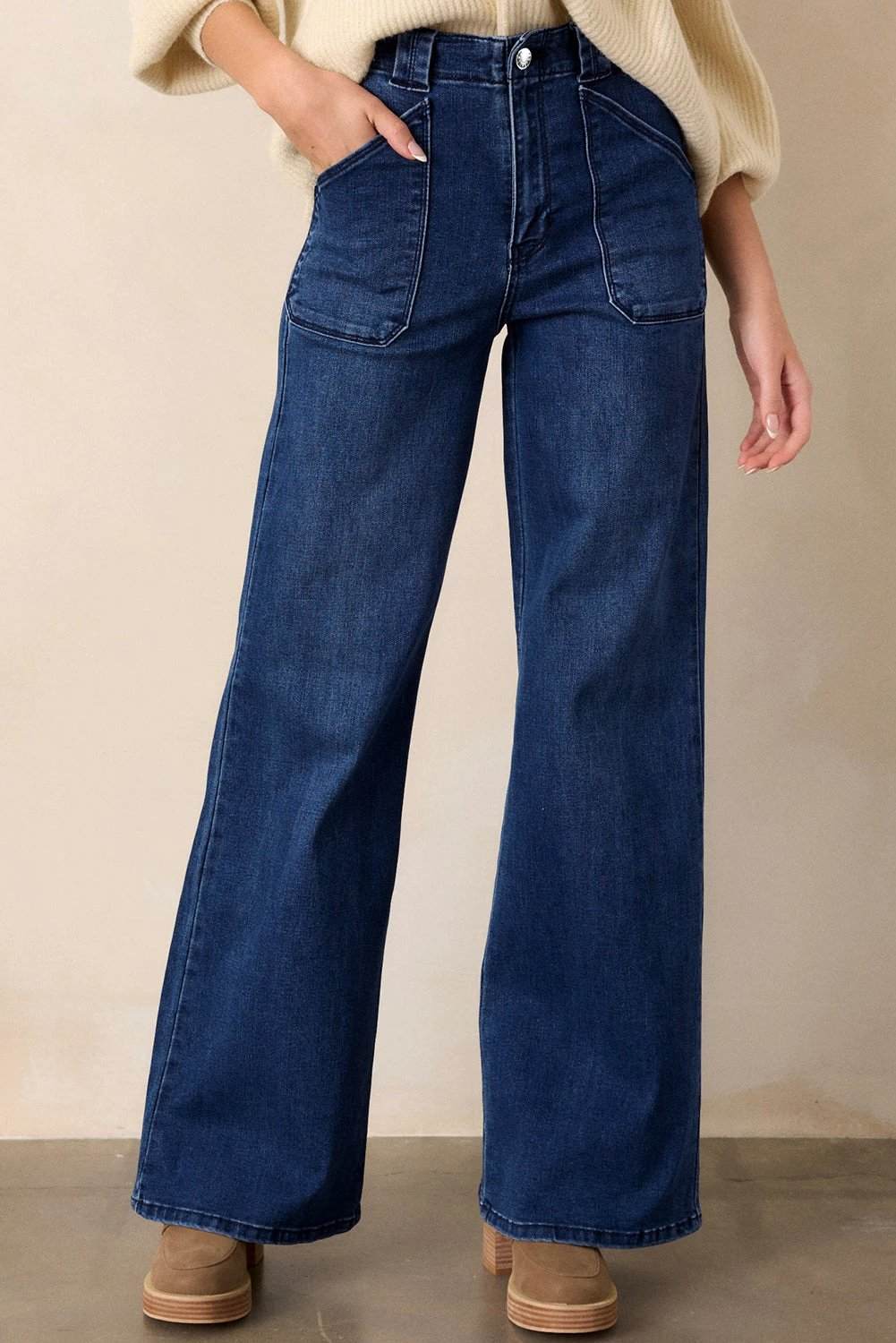

The problem usually is not that you do not know your size. It is that one brand’s large fits like another brand’s medium, a pair of pants fits in the waist but pulls through the thighs, and the 10 minutes you had to shop disappear into second-guessing. This guide to inclusive sizing is for making online clothes shopping more straightforward, whether you wear straight sizes, plus sizes, or find yourself between the two depending on the piece.
Inclusive sizing should mean more than adding a few extra numbers to a chart. It means having enough fit information to choose clothes for the body you have and the day you are actually heading into. A top should not make school pickup, a work meeting, and a grocery run feel like three different outfit problems.
What Inclusive Sizing Should Actually Offer
A wider size range matters, but it is only the starting point. Useful inclusive sizing also accounts for the fact that bodies are not scaled-up or scaled-down versions of one shape. Two women can wear the same labeled size and need completely different things from a dress, pair of jeans, or swimsuit.
When you shop, look for details beyond the size label: garment measurements, fabric stretch, rise, inseam, length, and notes about the intended fit. “Relaxed” can mean comfortably roomy in the body, while “oversized” may mean sizing down is an option. “Fitted” can mean close to the body, not necessarily small. Those distinctions help more than a vague promise that something fits everyone.
At J&H Apparel, plus sizing belongs in the collection conversation from the start, not as an afterthought. The goal is simple: give you enough clear information to make a choice without turning getting dressed into another task you have to manage.
Start With Measurements, Not the Tag
Your usual size is a good place to begin, but it is not a rule you have to follow. Clothing sizes are not standardized across brands, and even within one brand, a structured pant and a stretchy knit dress will fit differently.
Keep three current measurements in your phone: bust, natural waist, and fullest hip. A soft tape measure is best. Stand normally, wear thin clothing or measure over underwear, and keep the tape level without pulling it tight. You are collecting information, not grading your body.
For tops, your bust measurement is often the best starting point, especially with button-front shirts, fitted tees, and woven fabrics that do not give much. For bottoms, use the measurement that is largest relative to the garment. If your hips need a larger size but the waist needs less room, a pant with stretch, a drawstring, elastic at the back, or belt loops may make more sense than forcing a rigid style to do all the work.
Dresses and jumpsuits require a little more attention because one garment has to work across several areas. Check the bust and hip first, then look at torso length, rise, and inseam when those details are available. If you are taller, have a longer torso, or prefer more room through the middle, a one-piece style can fit differently than your regular dress size suggests.
Measure the Clothes You Already Reach For
If measuring your body feels like one more thing, measure a favorite item instead. Lay a top, pant, or dress flat and note the width across the bust, waist, hips, rise, and inseam. Double the width measurements for an approximate garment circumference.
This gives you a practical comparison point. You are not trying to match every number perfectly. You are looking for the general amount of room that lets you sit in the car, bend down for the backpack, work at a desk, and move through your day without thinking about your clothes every five minutes.
Read Fit Notes Like They Are Part of the Product
A size chart tells you where to start. Fit notes tell you what that size may feel like. Both matter.
Fabric content is one of the first places to look. Cotton, linen, denim, and many woven blends can feel more structured and may have little stretch. Knit fabrics, ribbed materials, and fabrics with spandex or elastane generally offer more give. More stretch can provide flexibility, but it does not automatically mean a garment will be roomy. A body-hugging ribbed dress can stretch a lot and still be designed for a close fit.
Pay attention to shape, too. A relaxed tee may leave room through the torso, while a dolman sleeve can offer extra space across the upper arm and shoulder. A high-rise bottom sits closer to the natural waist; a mid-rise style sits lower. Wide-leg pants often give more room through the leg, but the waist measurement still needs to work. Details like smocking, adjustable straps, elastic waistbands, and side slits are not just design features. They affect how a piece moves with you.
If a product description says it runs small, believe the note and use the chart. If it says true to size, compare that recommendation with the fabric and silhouette. “True to size” is helpful shorthand, but your preferred fit still counts. Maybe you like a T-shirt closer through the shoulders and looser through the middle. Maybe you prefer enough length to raise your arms without tugging the hem down afterward. Those preferences are useful shopping information.
How to Choose a Size When You Are Between Sizes
Being between sizes is normal, not a shopping failure. The right choice depends on the garment and how you plan to wear it.
For a fitted woven top, a button-front shirt, or a non-stretch dress, sizing up is often the more comfortable choice if one measurement falls into the larger range. You can adjust a slightly roomier fit more easily than a garment that pulls across the bust, shoulders, or hips.
For a knit tee, leggings, or a dress with plenty of stretch, your preferred fit matters more. Choose the smaller size if you want a closer fit and the chart supports it. Choose the larger size if you want more length, coverage, or room through the middle. Neither choice is more correct. It is about what will make that item useful once it arrives.
Bottoms are where fabric and cut can change everything. If you need room through the hips and thighs, do not assume a larger waist size means the pants will be wrong for you. Look for features that allow adjustment at the waist, then prioritize being able to sit and move comfortably. On the other hand, if the waistband is already loose but the legs fit well, a different cut may serve you better than another size.
Inclusive Sizing Means Shopping by Category, Too
You may not wear one size across every category, and that is expected. It helps to keep a quick note of what usually works for you: your dependable top size, your likely denim size, your preferred dress size, and any fit details you know you need.
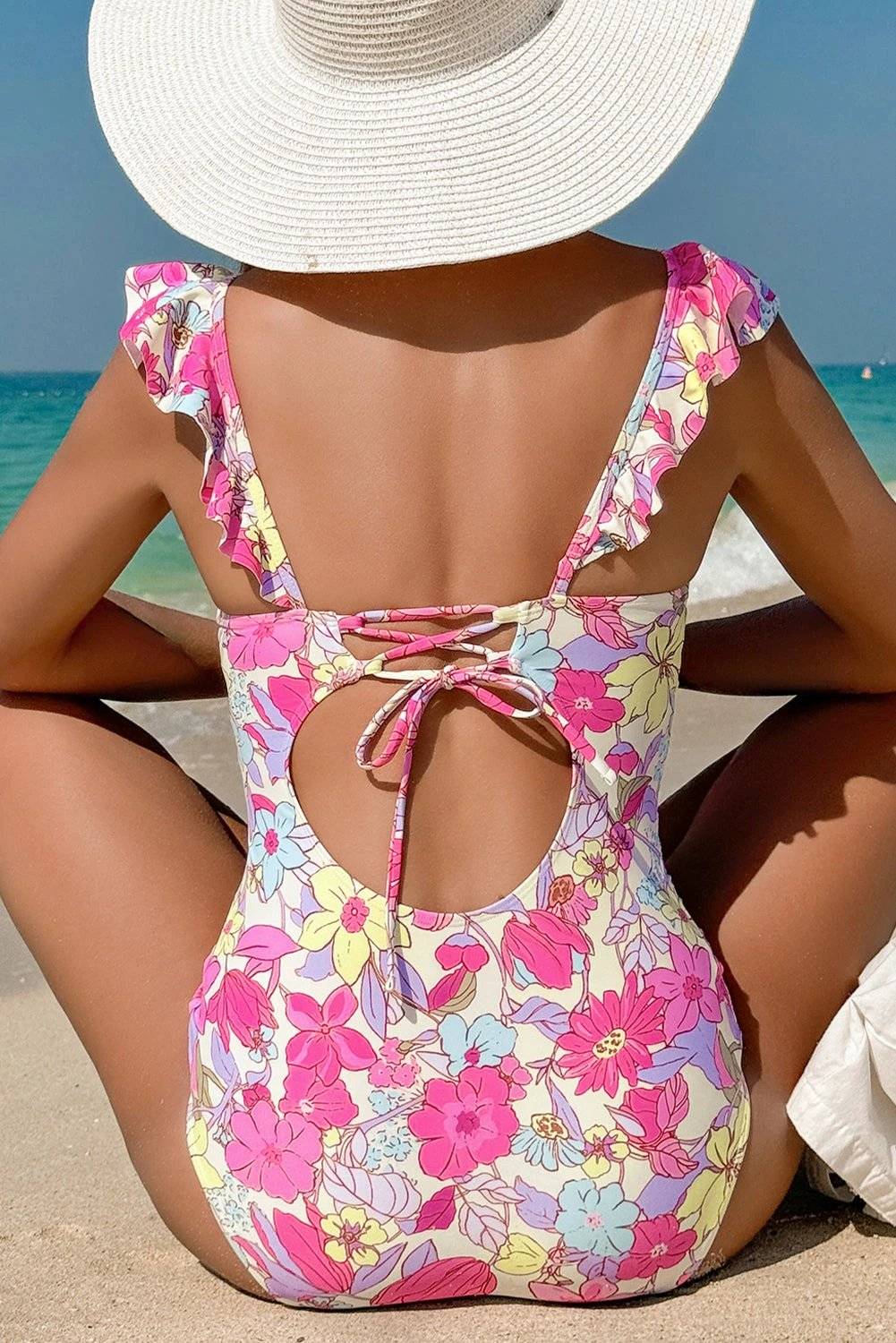
For example, you might choose a larger size in a structured blazer to make room through the shoulders, your regular size in a soft pullover, and a different size in high-rise jeans. Swimwear may call for separate top and bottom sizing when available, especially if your proportions differ above and below the waist. A matching outfit set can simplify the morning, but check whether both pieces are sold in one size or can be chosen separately.
The point is not to build a complicated system. It is to stop expecting a single number to explain every garment in your closet. A label is a reference, not a verdict.
Check for Comfort Before You Commit
Once a piece arrives, try it on when you have a few uninterrupted minutes, not while rushing out the door. Walk, sit, reach up, bend down, and see how the fabric feels after a few movements. The mirror matters, but so does whether the waistband rolls, the buttons gap, the straps slide, or the hem rides up when you move.
Ask practical questions. Can you wear the right bra underneath? Can you layer it if the air conditioning is freezing? Does it work with the shoes you already wear most days? Will you reach for it on a regular Tuesday, not just save it for a version of life that rarely happens?
A good fit does not mean a garment disappears or that every detail is perfect. It means the piece gives you the room, coverage, support, and movement you need for its job.
Build a Closet Around What You Know Works
Once you find silhouettes and fabrics that fit well, use that knowledge. Maybe soft, stretchy tops are your reliable work-from-home and errand option. Maybe high-rise straight-leg pants with a little give make getting dressed easier. Maybe a midi dress with adjustable straps works because you can change the fit without needing a different size.
That is not settling into a uniform. It is making your closet more useful. A few trusted shapes in colors and prints you enjoy can take pressure off the morning and leave more room for everything else on your list.
Clothes do not need to ask you to change, wait, or work harder. Clear measurements, honest fit notes, and a size range that includes you are simply the basics of shopping well. Start there, choose what feels right for your real day, and let getting dressed be one less thing to figure out.