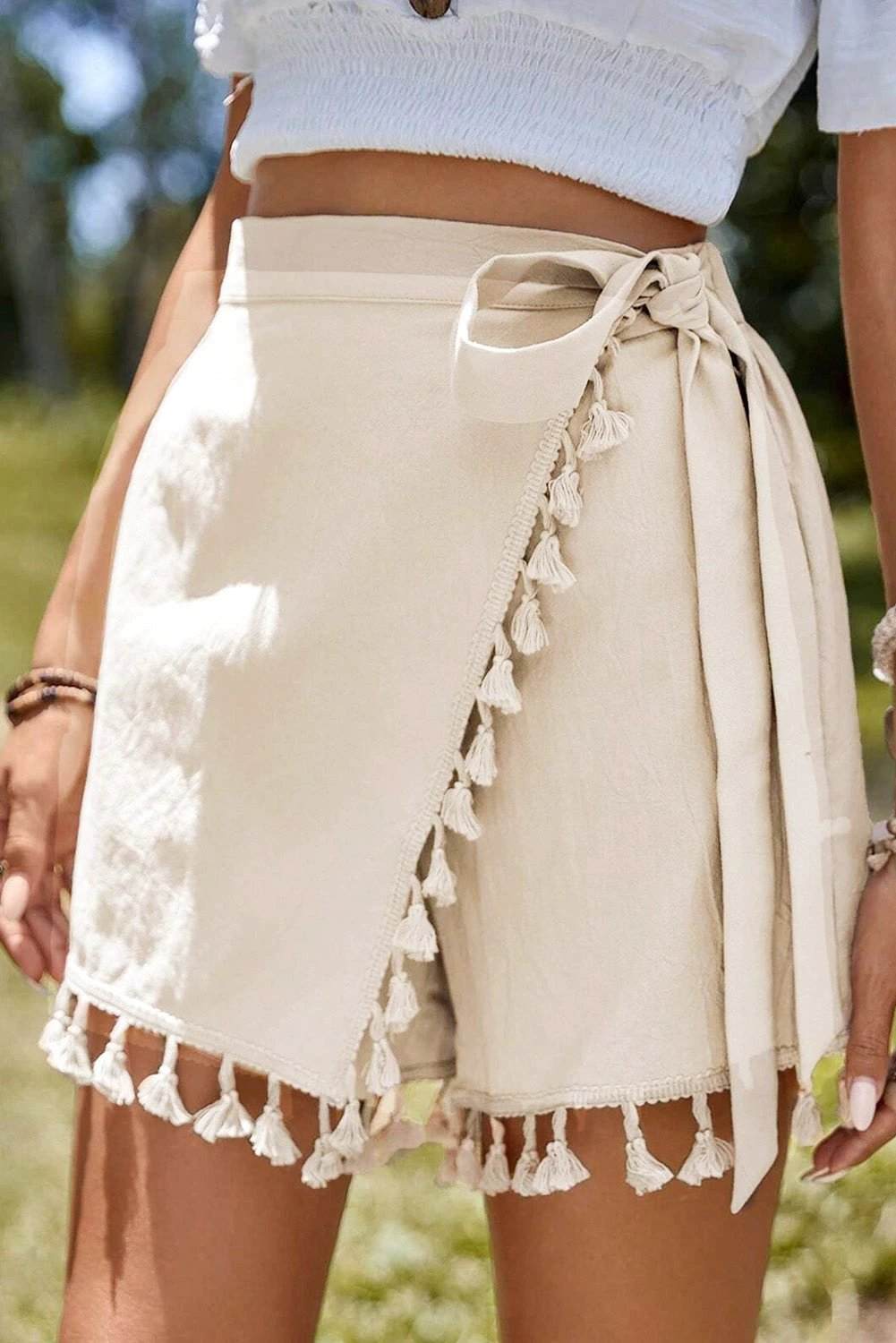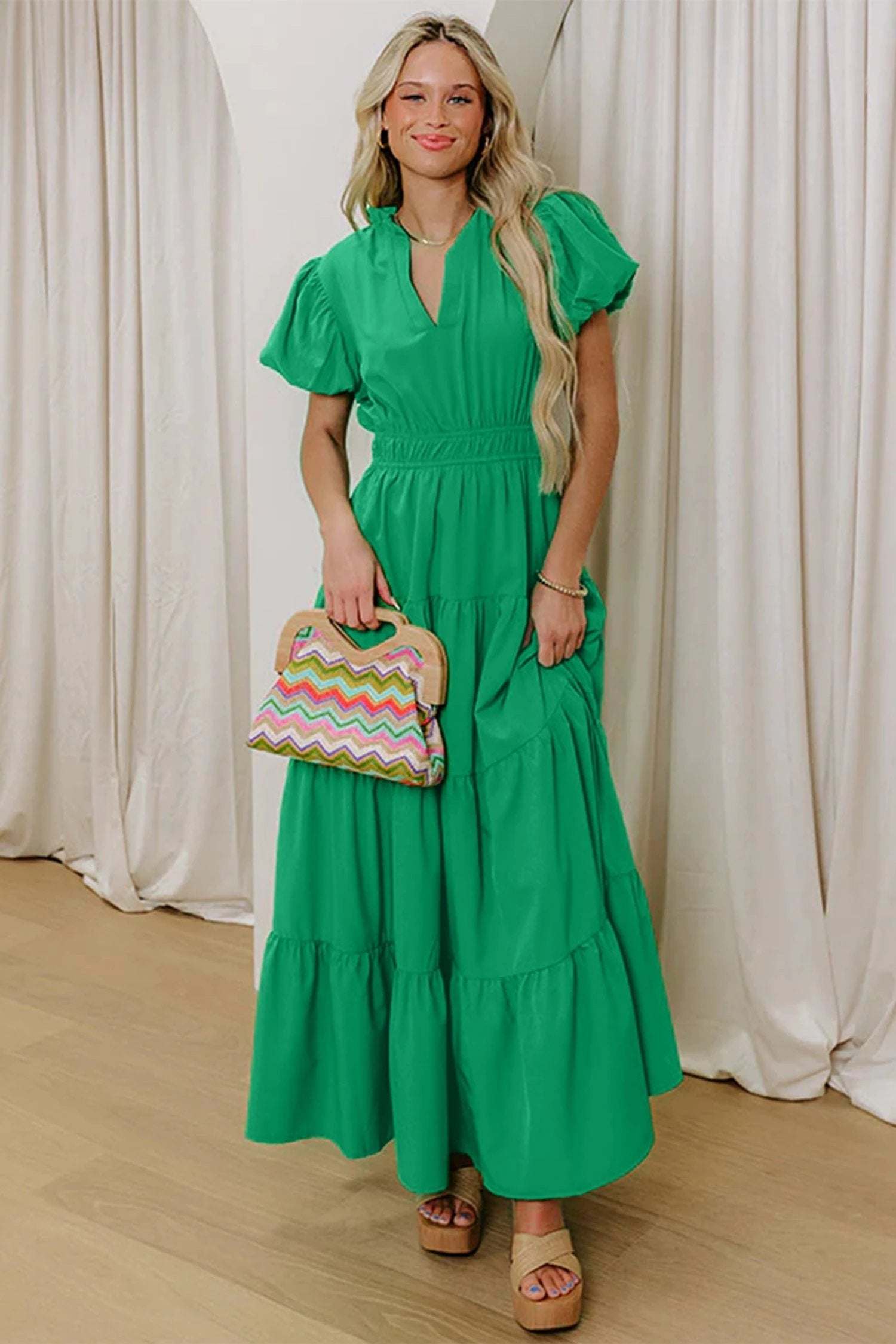

That moment when a dress looks perfect on your screen and completely different in fit once it arrives? That is usually not a style problem. It is a sizing problem. If you have ever wondered how to choose dress size online without second-guessing every number, the good news is that it gets much easier once you know what to look for.
Online dress sizing can feel inconsistent because brands do not all grade garments the same way. A medium in one dress may fit like a small in another, especially if the silhouette, fabric, or stretch level changes. The smartest way to shop is not to chase the size you hope you are. It is to match your measurements to the actual dress and the way you want it to fit in real life.
How to choose dress size online without guessing
The fastest way to get a better fit is to start with three measurements: bust, waist, and hips. If you only rely on your usual size, you are shopping on memory instead of information, and that is where most fit misses happen.
Use a soft measuring tape and measure over lightweight clothing or undergarments you would normally wear with a dress. Keep the tape flat and snug, not tight. For bust, measure around the fullest part. For waist, measure the narrowest part of your natural waist. For hips, measure around the fullest part of your hips and seat. If your numbers fall between sizes, that does not mean something is wrong. It usually means the best size depends on the cut of the dress.
Once you have your measurements, compare them to the size chart on the product page, not just the general brand chart if a style-specific chart is available. This matters because a fitted midi dress, a relaxed shirt dress, and a body-skimming knit dress are built to sit on the body differently.
Read the size chart like a shopper, not a statistician
A size chart is only helpful if you read it with the dress shape in mind. Many shoppers look for the row that matches their usual size and stop there. A better approach is to ask which measurement matters most for that specific dress.
For a fit-and-flare dress, the waist often matters more than the hips because the skirt has room. For a sheath or bodycon shape, hips can be the deciding measurement. For a wrap dress, the bust and waist usually matter most because those areas control how the dress closes and lays across the front.
If one part of your body fits a small and another fits a medium, choose based on the least forgiving area. A non-stretch woven dress will not give you much flexibility through the bust or hips. A knit dress with stretch may let you stay closer to the smaller size if you prefer a neater fit. This is where product descriptions are just as important as size charts.
Pay attention to fabric and stretch
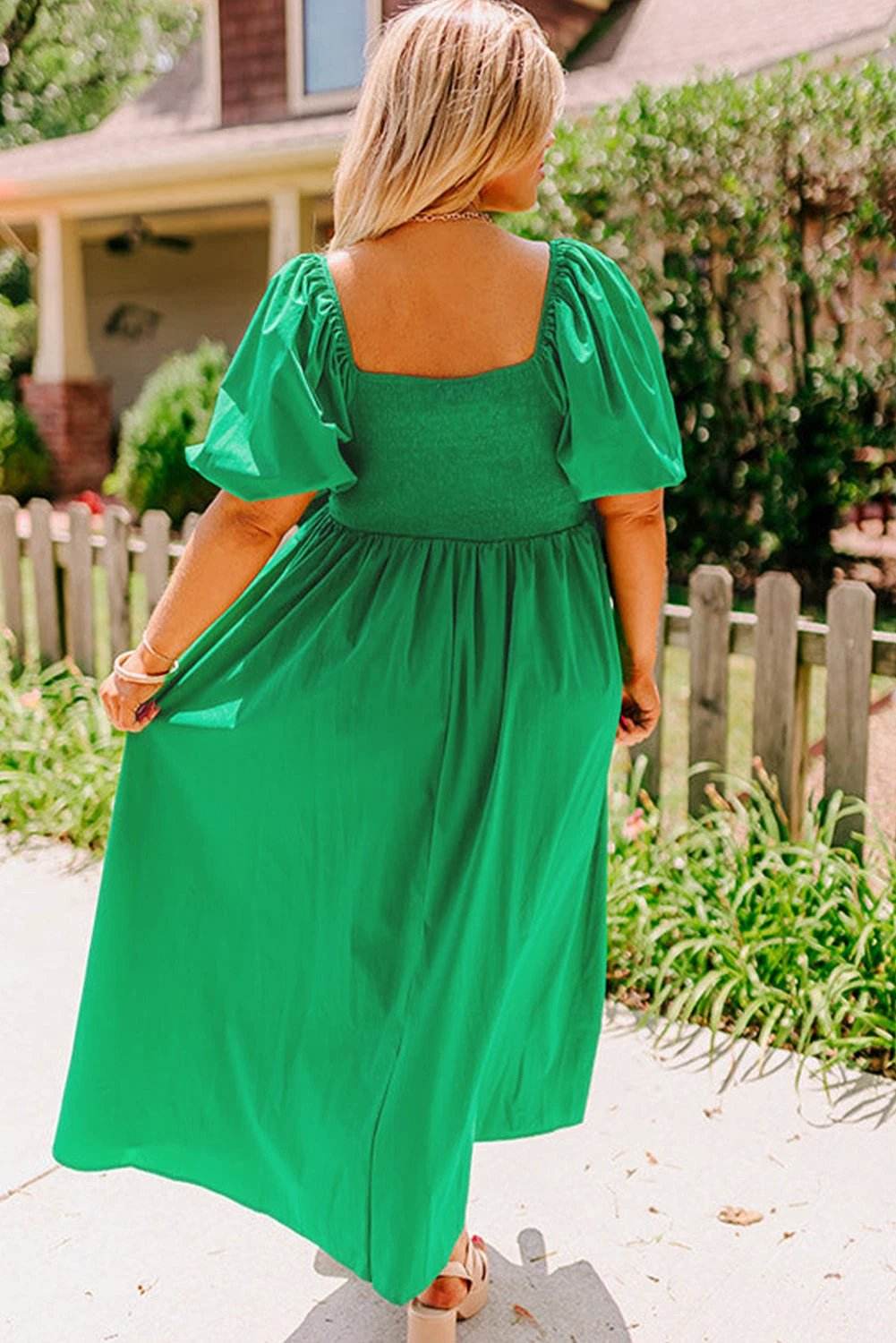
Fabric changes everything. A dress made from a woven fabric like poplin or chiffon will usually have less give than a ribbed knit or jersey. If the description mentions stretch, smocking, elastic waist, adjustable straps, or a tie back, you have a little more fit flexibility.
If the dress has no stretch and your measurements are right on the edge, sizing up is often the safer move. You can always style a slightly roomier dress with a belt or choose a more relaxed fit on purpose. A too-tight dress is harder to fix, and it rarely feels as comfortable as you want for a full day of wear.
On the other hand, if the dress is meant to drape loosely and the fabric has movement, sticking to your true measurement-based size usually works better than sizing up too much. Going too large can make the shoulders slip, the waist drop, or the whole shape lose that polished, put-together look.
Look closely at the fit description
Words like fitted, relaxed, tailored, oversized, slim, and true to size are not filler. They are shortcuts to how the dress is designed to wear.
A fitted dress is meant to follow the body, so expect less extra room. A relaxed dress should give you more ease through the waist and hips. If a product description says it runs small, believe it. If it says size up for a more comfortable fit, that is especially useful if you plan to wear the dress to work, travel, dinner, or events where you want easy movement.
This is one reason product-focused shopping works so well. A good description connects the fit to real life. If a dress is described as easy for brunch, office days, or weekend plans, that usually suggests comfort and wearability were part of the design, not just the styling.
How different dress styles affect sizing
Not every dress should fit the same way, and this is where a lot of online size confusion starts. You may wear one size in a casual tiered maxi and another in a more structured mini. That is normal.
A-line and fit-and-flare dresses are often more forgiving through the hips, so prioritize bust and waist. Shirt dresses depend a lot on shoulder fit and bust room, especially if there are buttons. Wrap dresses are versatile, but you still want enough coverage through the bust and enough room at the waist for the wrap to sit securely. Bodycon and sweater dresses usually depend on how snug you want the fit and how much stretch the fabric offers.
For occasion dresses or more polished styles, structure matters more. Seams, zippers, lining, and tailoring details can reduce flexibility. For casual everyday dresses, elastic and softer fabrics may give you more room to work with. If your closet includes both, do not assume one universal size will cover everything.
Use a dress you already own as your fit reference
One of the easiest shopping tricks is to compare the new dress to one you already love wearing. Pick a dress that fits the way you want this new one to fit. Lay it flat and measure across the bust, waist, hips, and length if those garment measurements are available on the product page.
This can be even more helpful than body measurements when you are choosing between two sizes. It gives you a real-world reference point. You are not just asking, Will this fit me? You are asking, Will this fit the way I like to wear dresses?
That second question matters. Some shoppers want more room for long workdays and errands. Others want a closer fit for date night or an event. Neither is wrong. The best size is the one that matches your plans, your comfort level, and the silhouette of the dress.
Small details that make a big difference
A few design details can change whether a dress feels easy or frustrating once it arrives. Check for zippers, lining, sleeve shape, and where the waistline sits. A dress with a defined waist seam can feel more exacting than one with a loose or elastic waist. Puff sleeves or fitted long sleeves can affect comfort through the arms and shoulders. A lined dress may feel slightly more structured than an unlined one.
Length matters too. If you are petite, a midi may wear closer to maxi length. If you are tall, a mini may fit shorter than expected. This does not always change the size you need, but it can change whether the dress works for the occasion you have in mind.
If the model information is listed, use it. Seeing the model's height and the size she is wearing can help you picture proportion. It is not a perfect science, but it gives useful context.
When to size up and when to stay true
If the dress is woven, fitted, zippered, or your measurements land between sizes, sizing up is often the better call. If the dress has stretch, a relaxed cut, or adjustable details, your true size is usually the better starting point.
If you carry more fullness in one area, let that guide your choice. Fuller bust? Prioritize bust measurement, especially in button-front or structured styles. Curvier hips? Focus on hip room in straighter silhouettes. Prefer breathing room around the middle? Look for smocking, wrap shapes, or easy A-line cuts.
The goal is not to force every dress to fit the same way. The goal is to choose styles and sizes that make getting dressed feel simple, flattering, and comfortable.
At J&H Apparel, that practical approach matters because everyday style should feel fun, not complicated. A great dress should work for your actual life - the office, dinner plans, a weekend outing, or a packed travel day - and the right size is what makes that happen.
Shopping online gets much easier once you stop treating size as a fixed label and start treating it as a fit tool. Measure first, read the chart for the specific dress, and let fabric and silhouette guide the final choice. The right dress size is the one that helps you feel comfortable, confident, and ready to wear it somewhere good.