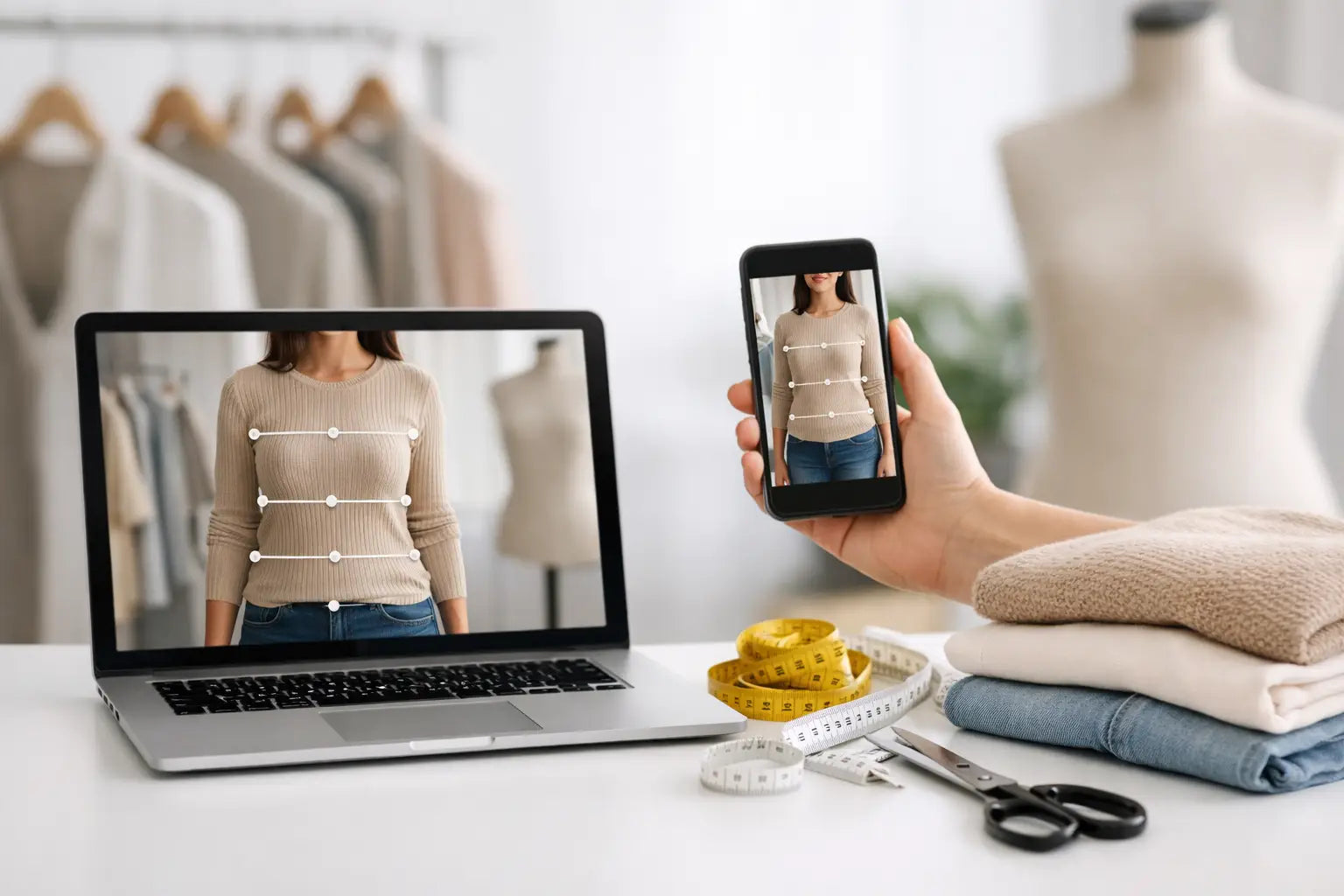
That moment when a dress looks perfect online and then fits completely differently at home is frustrating for a reason - most sizing confusion starts before checkout. A good guide to online clothing measurements helps you shop with more confidence, waste less time on returns, and choose pieces that actually work for your body and your day-to-day life.
The good news is that online fit does not have to feel like a guessing game. Once you know what to measure, how brands build size charts, and where fabric and silhouette change the fit, shopping gets faster and a lot more reliable. If you want clothes that feel comfortable, look polished, and make getting dressed easier, measurements are the shortcut.
Why online sizing feels inconsistent
A size medium in one brand can fit like a small in another, while a size 8 in denim may not match a size 8 in a jumpsuit. That is not you doing anything wrong. Brands use different fit models, different grading rules between sizes, and different target silhouettes.
Category matters too. A relaxed jacket is supposed to sit differently than a body-skimming dress. High-rise jeans may fit your waist perfectly but feel snug through the hip, while a matching set might have extra room in the top and less stretch in the bottom. This is why the number on the tag matters less than the actual garment measurements and body measurements listed on the product page.
The measurements that matter most
If you only take a few measurements, start with bust, waist, and hips. Those three will help with most dresses, tops, jeans, jumpsuits, and sets. For more tailored pieces, shoulder width, inseam, and sleeve length can make a real difference too.
Bust
Measure around the fullest part of your bust while wearing a bra similar to what you would wear with the garment. Keep the tape level across your back and let it sit close to the body without pulling tight. If the tape is digging in, the number will not help you choose the right size.
Waist
Your natural waist is usually the narrowest part of your torso, a little above your belly button. This is not always where mid-rise or low-rise bottoms sit, so check the product description. For high-waisted jeans and fitted dresses, your natural waist is usually the key number.
Hips
Measure around the fullest part of your hips and seat, keeping your feet together. This measurement is especially helpful for denim, skirts, bodycon dresses, and jumpsuits where hip fit can decide whether a piece feels flattering or restrictive.
Inseam and rise
For pants and jeans, inseam tells you leg length, while rise tells you where the waistband will sit. If you are petite, tall, or between proportions, these details matter almost as much as waist and hip size. A pair of jeans can technically fit but still feel off if the rise is too short or the inseam hits in the wrong place.
How to take measurements at home
You do not need tailoring experience. You just need a soft measuring tape, a mirror, and two minutes without rushing.
Stand naturally. Do not suck in your stomach, lift your shoulders, or overcorrect your posture. Measure over light clothing or close to the body for the most accurate result. If possible, ask someone to help for shoulder or back measurements, but you can absolutely do the basics yourself.
Take each measurement twice. If the numbers are different, measure one more time and use the most consistent result. It also helps to save your measurements in your phone so you are not starting from scratch every time you shop.
How to use a size chart without overthinking it
A size chart is there to guide you, not confuse you. The easiest way to use it is to compare your measurements to the chart first, then use the product description to decide how you want the fit to feel.
If your measurements all fall into one size, that is the easy win. If they fall across two sizes, the right choice depends on the garment. For structured pieces with little stretch, sizing up is often the safer move. For knits, ribbed dresses, or styles designed to hug the body, your smaller size may still work comfortably.
This is where fabric changes everything. A woven cotton poplin dress and a stretchy knit dress do not behave the same way, even if they are labeled with the same silhouette. Look for clues like fitted, relaxed, oversized, bodycon, elastic waist, smocked back, or stretch fabric. Those details often tell you more than the size name alone.
A practical guide to online clothing measurements by category
Different pieces ask for different priorities. Shopping gets easier when you know which numbers matter most for each category.
Dresses
For dresses, start with bust, waist, and hips, then pay attention to the cut. A fit-and-flare dress may be forgiving through the hips, while a sheath or slip dress usually is not. If the waist seam is defined, make sure that measurement works for you because there is less room to fake the fit.
Length matters too, especially if you want a dress to work from daytime to dinner. Check whether the style is mini, midi, or maxi, and compare the listed length to a dress you already own and love.
Jackets and outer layers
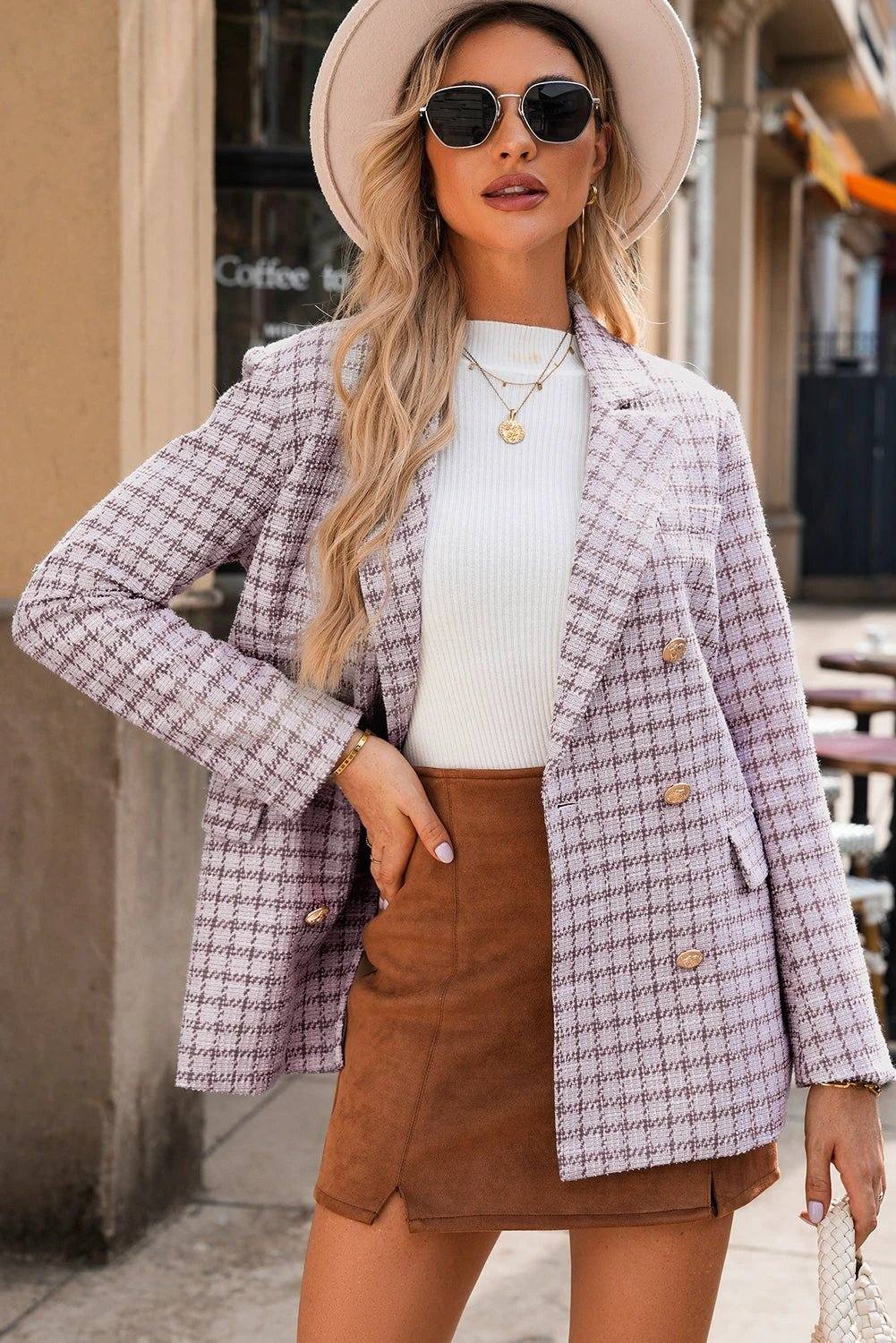
With jackets, shoulder fit and bust are key. You want enough room to move your arms and layer a top underneath without the jacket pulling across the back. If a jacket is cropped or tailored, sizing up may feel better if you are between sizes or prefer a less snug fit.
Jeans and pants
For denim, waist and hips lead the decision, but rise and stretch decide comfort. If a jean has rigid fabric or only slight stretch, it may feel tighter at first. If it has a comfort-stretch blend, you may prefer a more fitted starting point. Think about how you want to wear it too - sleek with a bodysuit, easy with a tee, or polished with a blazer.
Jumpsuits and matching sets
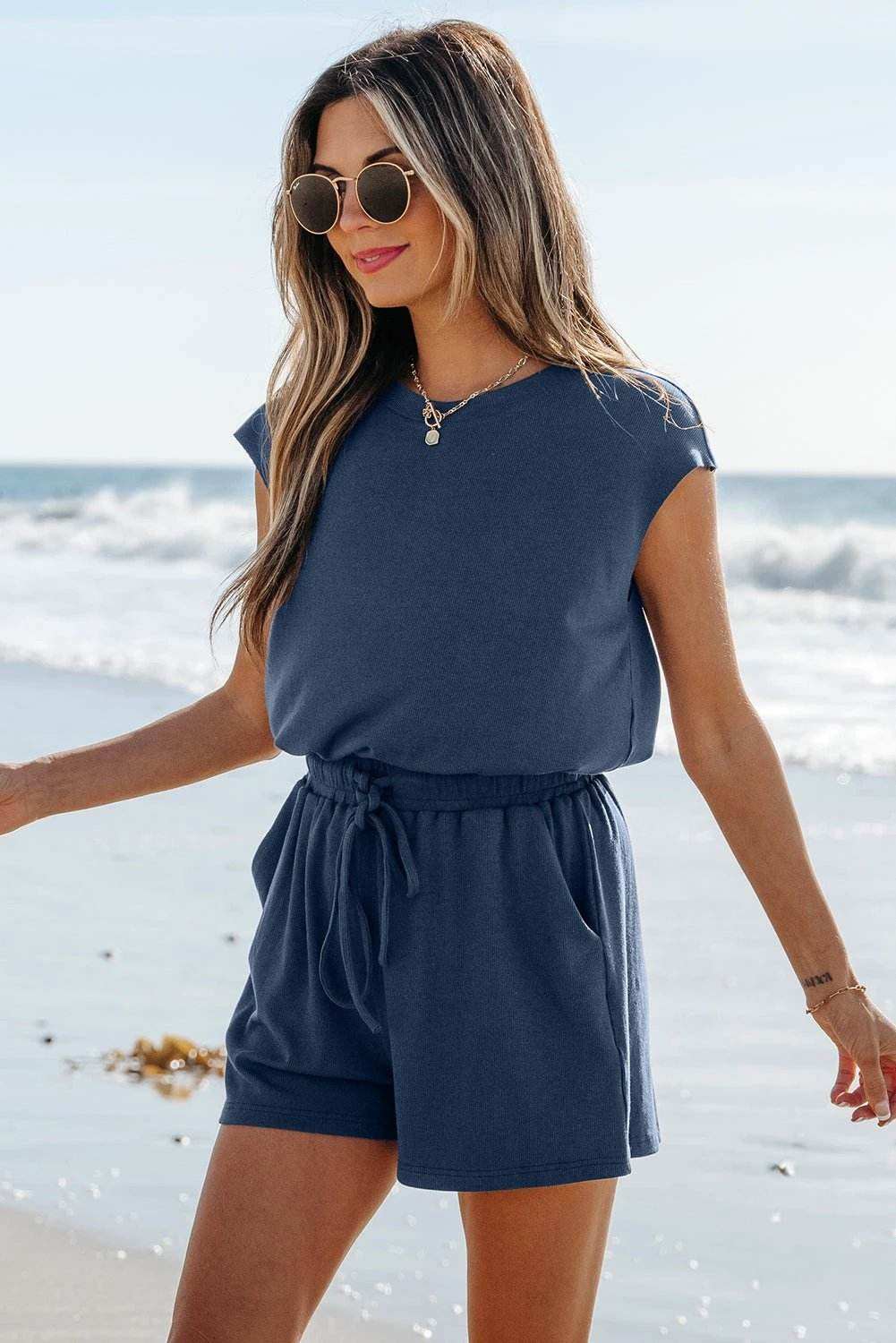
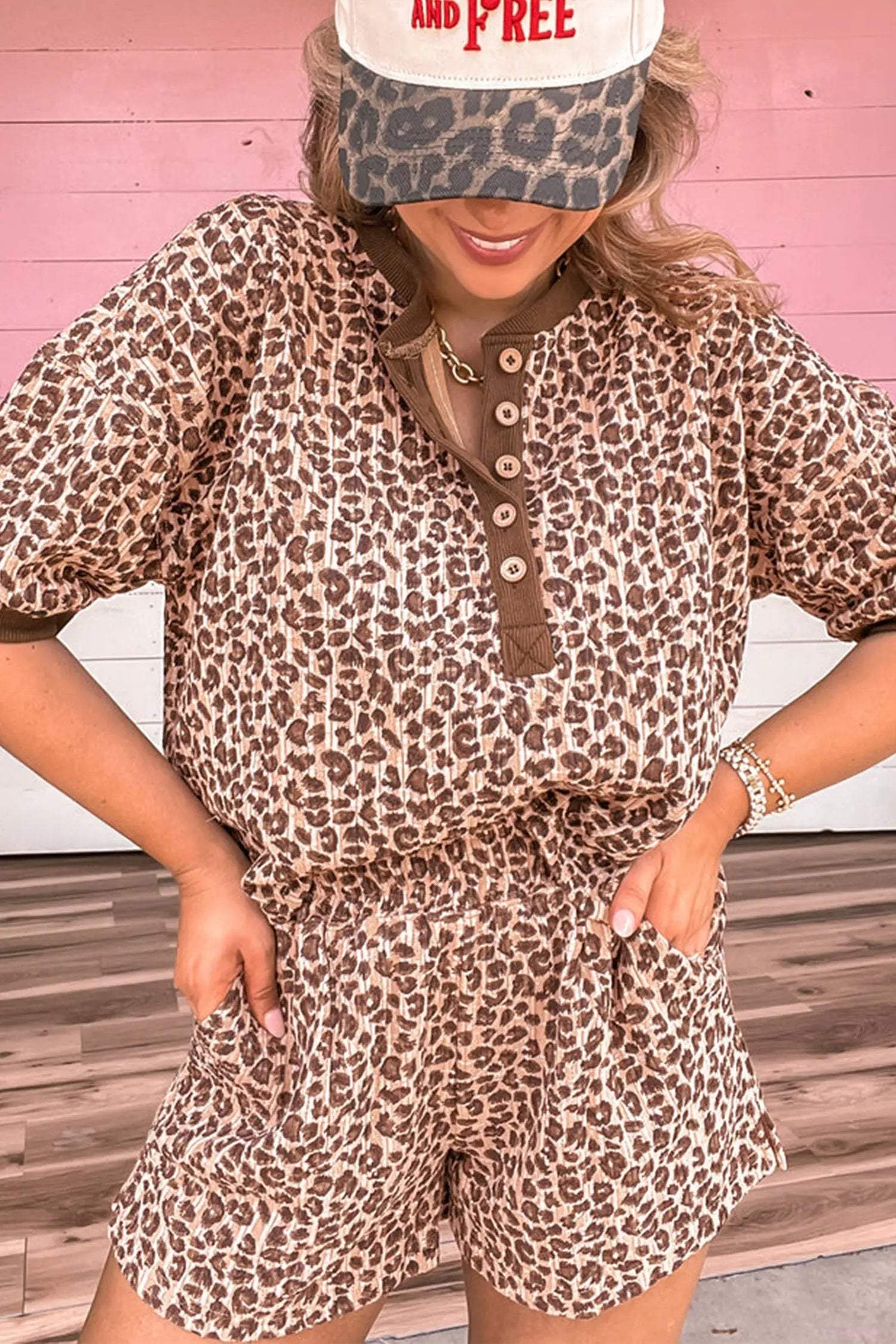
Jumpsuits can be trickier because they combine top and bottom fit in one piece. Torso length, bust, waist, and hips all matter. If you are long-waisted, a jumpsuit that fits your hips may still feel short through the body. Matching sets are easier because you can often prioritize fit in each piece separately, but always check whether the top runs boxy or the bottoms run fitted.
What to do when you are between sizes
This is where shopping gets personal. If you like a cleaner, more fitted look, you may lean toward the smaller size in stretch styles. If comfort is your priority or the piece is structured, the larger size often gives you a better result.
Think about how you will actually wear the item. A brunch dress can handle a little ease. Workwear-inspired pants may need smoother lines through the waist and hip. A travel outfit usually benefits from extra comfort and movement. There is no single right answer, only the size that makes the piece easiest to wear in real life.
Common mistakes that lead to bad fit
One of the biggest mistakes is relying on your usual size without checking measurements. Another is measuring over bulky clothes or pulling the tape too tightly because you want the smaller number. That smaller number does not create a better fit.
It is also easy to ignore fabric notes. A fitted woven piece with no stretch needs more precision than an easy knit set. And if the product description says oversized, believe it. Ordering your usual size in an intentionally roomy silhouette may already give you the look the brand intended.
How to build a quicker, smarter shopping routine
Once you know your core measurements, online shopping becomes much more efficient. Keep your bust, waist, hips, and inseam saved in your notes app. Compare them to each size chart before you add to cart. Then read the fit description like it is part of the size chart, because it is.
It also helps to compare new pieces to clothes already in your closet that fit well. Measure a favorite pair of jeans, a jacket that layers perfectly, or a dress that always works. Those real-life references can make online numbers feel much more useful.
At J&H Apparel, that kind of practical fit-first shopping matters because getting dressed should feel fast, fun, and flattering - not like a return waiting to happen.
The best online buys are rarely the ones you guessed on. They are the ones you chose with a tape measure, a clear size chart, and a little honesty about how you want your clothes to fit your actual life.