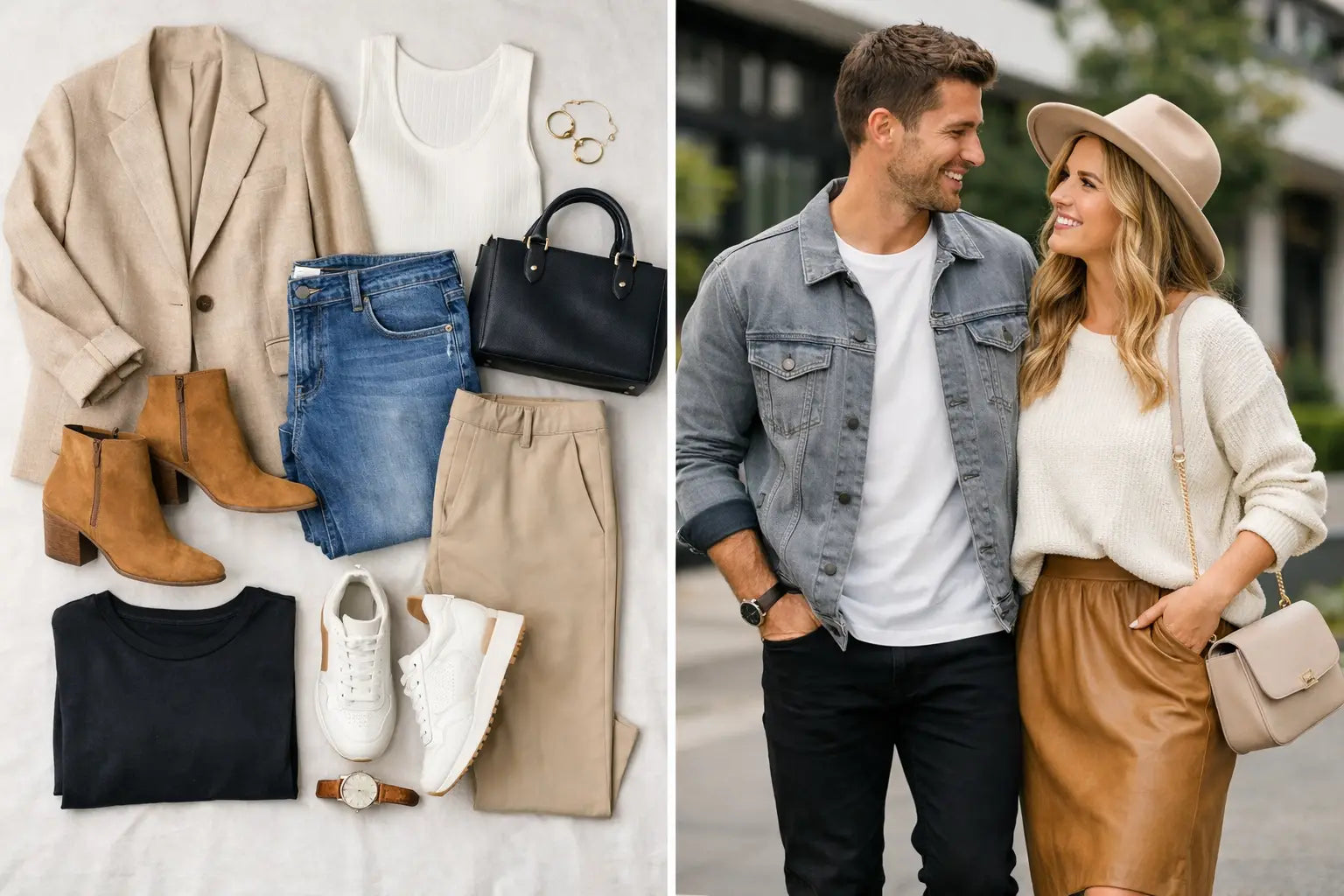
Getting dressed usually feels hard for one reason - not because your closet is missing something dramatic, but because too many pieces are waiting for a plan. A good guide to building outfit formulas starts there. You do not need more randomness. You need a few repeatable combinations that make your wardrobe feel easier, smarter, and more wearable.
Outfit formulas are simply go-to combinations you can rely on again and again. Think of them as the fashion version of a favorite meal you know will work. When you have a handful of formulas that fit your lifestyle, getting ready for work, errands, brunch, travel, or dinner takes less effort and gives you better results.
What outfit formulas actually do for your wardrobe
An outfit formula is not about dressing the same every day. It is about having a structure that makes styling faster while still leaving room for your personality. Instead of standing in front of the closet trying to invent a new look every morning, you start with a combination that already works, then switch the color, layer, shoe, or accessory.
That matters most when your life is full. If your schedule moves from meetings to pickups to weekend plans, you need pieces that pull their weight. Outfit formulas help you shop with more intention too, because you stop buying cute one-off items that only work once and start choosing tops, denim, dresses, jackets, and sets that create real outfits.
There is also a confidence factor. When you know your formula flatters you and fits your day, you feel more pulled together without overthinking it. Fast. Fun. Versatile. That is the sweet spot.
Your guide to building outfit formulas that fit real life
The best outfit formulas are built around what you actually wear, not an ideal version of your life. Before you start, think about where your clothes need to take you in a normal week. Maybe you need easy daytime looks, polished casual outfits, and one or two elevated options for dinners or events. That mix should shape your formulas.
Next, pay attention to the silhouettes you reach for most. Maybe you love straight-leg denim with a fitted knit top. Maybe you feel best in a midi dress with a denim jacket. Maybe matching sets save you on busy mornings. Those preferences are not limitations. They are clues.
A strong formula usually includes three parts: a base, a completer piece, and a finish. The base is your main outfit, like a dress or a top with denim. The completer piece is what gives it shape or polish, like a jacket, cardigan, or blazer. The finish is what decides the mood - sneakers, sandals, boots, jewelry, or a bag.
Once you understand that structure, outfit planning becomes much easier.
Start with 3 to 5 formulas, not 15
One of the biggest mistakes women make is trying to create too many outfit formulas at once. That usually turns a helpful system into more mental clutter. Start small with the combinations you know match your routine.
For many wardrobes, that might look like a relaxed blouse + straight-leg denim + lightweight jacket, a knit top + trousers + flats, a midi dress + denim jacket + sandals, a matching set + simple sneakers, or a basic tee + shorts + open button-down. These are not boring formulas. They are reliable ones.
The key is repeatability. If a formula depends on one very specific item, it may not be useful enough. A better formula can be recreated with several tops, two or three bottoms, and a couple of layer options.
How to build an outfit formula from the closet you already have
Start by pulling out the pieces you wear on repeat. Do not choose based on what seems most trendy. Choose what fits well, feels comfortable, and already works in your life. You are looking for your real wardrobe heroes.
Then group those pieces by category. Which tops pair with multiple bottoms? Which dresses work with more than one layer? Which jackets instantly make an outfit feel finished? Patterns will show up quickly.
You may notice, for example, that most of your easiest outfits start with fitted or semi-fitted tops and balanced bottoms. Or maybe your best looks always include one soft layer and simple accessories. That is your formula showing itself.
From there, write your combinations in plain language. Keep it simple: flowy top + cropped denim + sandals. Knit dress + utility jacket + sneakers. Tank + wide-leg pants + statement earrings. If you can say the formula in one line, you can use it easily.
A guide to building outfit formulas by occasion
Some formulas are everyday basics, and some are occasion-specific. Both matter.
For casual days, you want comfort with enough structure to feel put together. Denim, easy tops, lightweight layers, and clean shoes usually do the work here. If your weekends involve errands, coffee runs, and casual lunch plans, a formula like soft tee + high-rise denim + casual jacket + sneakers can carry you through most of it.
For work or polished daytime plans, shape becomes more important. You may want trousers, elevated knits, blouses, or matching sets that look finished without feeling stiff. A simple formula like blouse + ankle-length pants + flat sandals or loafers gives you room to look professional and still feel like yourself.
For dinners, date nights, or events, your formula can lean a little more elevated without becoming fussy. A dress + light layer + heeled sandal works for a lot of situations. So does a sleek top + dark denim + statement accessory. The point is not to own a separate wardrobe for every occasion. It is to have formulas that shift with small changes.
The pieces that make formulas work harder
Certain pieces naturally do more in a formula because they are easy to pair, easy to layer, and easy to dress up or down. That is where versatility matters most.
Denim that fits well is often a starting point because it works with casual basics, polished tops, and seasonal layers. Dresses are another strong anchor because they create an outfit in one step and can change mood quickly with shoes and outerwear. Matching sets are especially useful when you want something low-effort that still looks styled. You can wear them together for an instant outfit or split them up for even more combinations.
Jackets and cardigans also matter more than people think. They are often the item that takes an outfit from unfinished to intentional. If your wardrobe feels flat, the issue may not be your tops or bottoms. It may be that you are missing a few strong completer pieces.
Keep color simple at first
If building formulas feels overwhelming, do not start with bold styling experiments. Start with a color palette that already makes mixing easy. Neutrals, denim, soft solids, and a few accent colors usually give you more outfit options with less effort.
That does not mean your wardrobe has to look plain. It just means your formulas should not rely on difficult pairings every time. Once you have a solid base, adding a brighter top, printed dress, or statement jacket becomes much easier because the outfit already has structure.
This is also where shopping gets smarter. If you know your formulas, you can spot gaps clearly. Maybe you do not need more jeans - maybe you need tops that work with your favorite jeans. Maybe you already have dresses but need a better layering piece to wear them more often.
Why some outfit formulas fail
Sometimes a formula looks good on paper but does not work in real life. Usually that happens for one of three reasons: the fit is off, the pieces compete with each other, or the outfit does not match your day.
A great formula should feel natural when you wear it. If you are tugging at the top, changing shoes halfway through the day, or skipping the look because it feels too dressed up for your routine, that formula needs adjusting. Style should support your life, not interrupt it.
It also helps to be honest about maintenance. If an outfit only works with dry-clean-only pieces, very high shoes, or constant steaming, it may not be practical enough for frequent use. The best formulas earn repeat wear because they are as wearable as they are flattering.
Let your formulas evolve with the season
You do not need to rebuild your wardrobe every few months. Just update the same formula structure with seasonal fabrics, layers, and shoes. A summer formula of tank + shorts + sandals can become lightweight sweater + denim + ankle boots in fall. A dress formula can shift from sleeveless with sandals to long-sleeve with a jacket and booties.
That is one reason formula dressing feels so useful. It creates consistency without making your style feel stale. You keep the shape that works and refresh the details.
If you want getting dressed to feel easier, start with less pressure and more clarity. Build a few outfit formulas around the pieces you already love, wear them often, and notice what makes you feel confident. The goal is not a perfect closet. It is a wardrobe that shows up for your real life, every single time.


